


Rocky Mountain 2018 Altitude RIDE-9 Setup: Choose Geometry First
A useful 2018 Altitude RIDE-9 setup begins with an ordered record, rather than several simultaneous adjustments. The historical guide puts geometry before air pressure and shock compression. This planning comes after the recall requirement (https://www.cpsc.gov/Recalls/2018/Rocky-Mountain-Bicycles-Recall-Mountain-Bicycles-Due-to-Crash-Hazard) for a covered Rocky Mountain: stop using the bicycle and obtain authorized-dealer confirmation of its inspection and repair before any riding or rider-loaded suspension demonstration.
Understand the 2018 Altitude RIDE-9 setup sequence
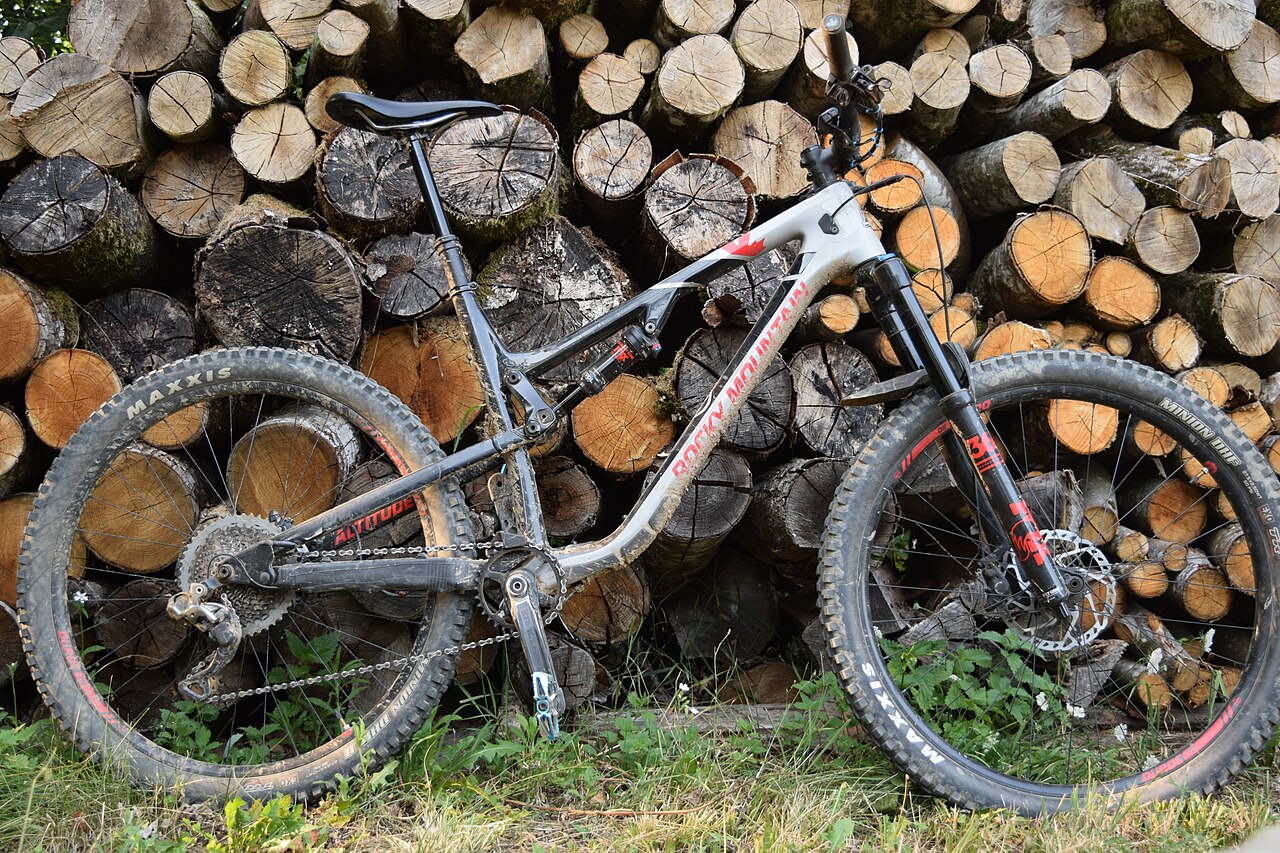
The 2018 Altitude setup guide (https://resources.bikes.com/sites/default/files/resources/2018_Ride9_Altitude_EN.pdf) describes nine configurations made by two interlocking chips. Its second physical page recommends adjusting the RIDE-9 position for geometry before considering suspension effects or variables such as air pressure and shock compression. The choice is therefore not simply a numbered substitute for turning a shock adjuster.
Begin a written setup sheet with the exact bicycle generation, frame size and documented chip configuration. Preserve a clear record of the existing arrangement before discussing a change with a qualified technician. The guide's position illustrations help identify the configurations, but they do not provide an installation-torque specification in this document. Do not invent one from an Allen-key size or another platform.
Make a change produce interpretable information
The manufacturer recommends gradual, incremental changes, notes and a methodical approach. It specifically advises against adjusting in a hurry before a big ride. The practical value is being able to identify which variable changed, rather than attributing every subsequent sensation to the chip when pressure, compression and other settings changed at the same time.
Record geometry choice separately from the shock's own controls. Include the date and the baseline settings you can actually identify on the fitted component. If an older bicycle has a replacement shock, its markings and applicable component instructions matter; the frame guide does not establish that every original or replacement damper uses the same control scheme.
The guide also recommends professional services because geometry and suspension setup vary with riding style, preference, terrain and ability. That is a reason to make an enquiry precise, not to copy a stranger's setting. Tell the technician which geometry outcome you are considering and which part of the existing setup you want to understand.
Leave unsupported entries blank. This document does not supply a universal pressure by rider weight, a guaranteed fastest position or a torque recipe for a complete adjustment. A useful plan identifies those missing requirements before mechanical work or a trial. Completing the recall remedy is a separate prerequisite and cannot be inferred from a tidy setup sheet.
FAQ: Planning questions
How are nine configurations produced?
The system uses two interlocking chips; the guide illustrates the nine combinations for the 2018 Altitude.
Should shock pressure be the first variable changed?
The guide says to select the RIDE-9 geometry position before considering suspension variables such as air pressure and compression.
Does the setup guide make one position best for everyone?
No. It describes different geometry and suspension effects while stressing variation in riders, terrain and preferences.
Use the rise-versus-progression explanation when reading the suspension columns. The Rocky Mountain topic keeps this historical setup discussion within the correct family.
Photograph credits and permissions
Photograph 1
Original title: Rocky Mountain Altitude C50 2018.jpg
Creator: ThienToons; creator URI: https://commons.wikimedia.org/wiki/user:ThienToons
Original source URI: https://commons.wikimedia.org/wiki/File:Rocky_Mountain_Altitude_C50_2018.jpg
License / permission: CC BY-SA 4.0
License / permission URI: https://creativecommons.org/licenses/by-sa/4.0/
Modification notice: Wikimedia-provided 1280×853 reduced-size version; no additional local changes.