


Transporting a Haibike by Car: Check the Historical Carrier Instructions
Transporting a Haibike by car requires more than finding a rack that appears to hold the frame. For an older bicycle covered by the linked historical owner manual, begin with its transport instructions and the equipment actually fitted. Keep those instructions alongside the carrier manufacturer's guidance instead of assuming every bicycle can be fastened in the same position.
Prepare for transporting a Haibike by car
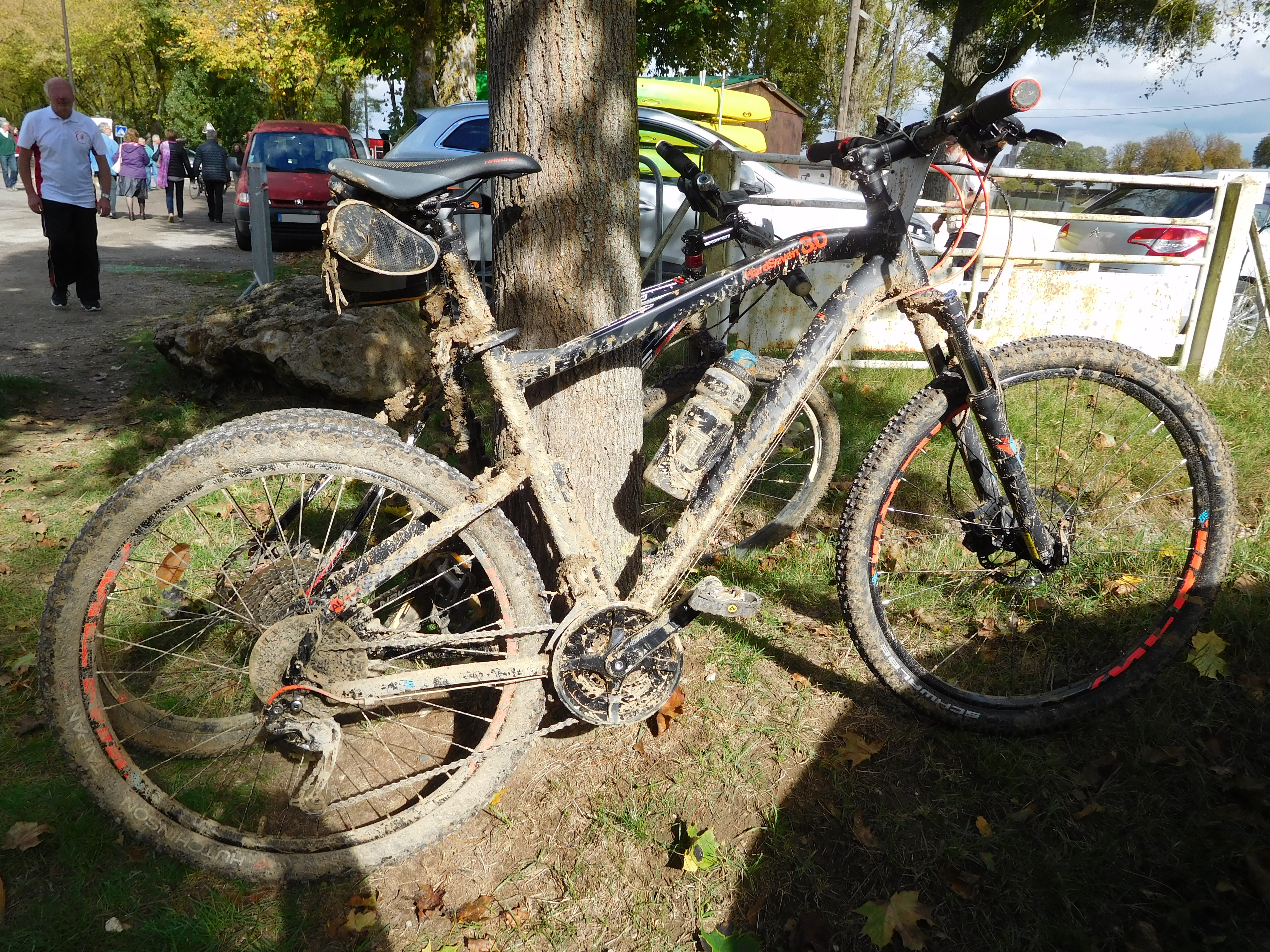
The manual (https://winora-group.com/download/2018/01_WINORA%20GROUP/195922_Winora_BDA_Online_EN_Kopierschutz.pdf)'s Cycle section addresses car transport on printed pages 30 and 31, physical PDF pages 51 and 52. It calls for suitable fastening systems, advises consultation about an appropriate carrier and requires the carrier manufacturer's fitting and use information to be followed. The historical document is a preparation source, not an endorsement of an unnamed rack sold today.
Establish the complete bicycle's actual mass and the arrangement that will be carried. The 2018 SEET (https://winora-group.com/wp-content/uploads/2017/11/HAIBIKE_2018_SEET_HardSeven_30.pdf) HardSeven 3.0 sheet lists 14.5 kg, but that is a historical catalogue figure. Added equipment or changed components can alter the present load. Give the carrier supplier the current bicycle details and ask how its stated limits apply to the proposed arrangement.
The owner manual specifies approved carriers that transport the cycle upright. It separately warns against carrying a bicycle with hydraulic disc or rim brakes upside down on its saddle. Identify the actual brake system and follow the relevant instructions; do not copy the position in another person's loading photograph as proof that it is appropriate.
Secure the complete arrangement and check it during travel
For a roof or rear-car fastening system, the manual requires checking the bicycle's fastening during driving breaks. Treat that as part of the journey plan. A check at departure is not a reason to omit later inspections. Arrange access to the fastening points so they can be checked without improvising around loose equipment or an unstable bicycle.
Inside the car, the manual also requires a suitable securing arrangement. A bicycle and detached parts must not remain unsecured in the passenger compartment or boot. Decide how the bicycle, wheels and any other removed items will be restrained before loading them. Being enclosed by the car is not the same as being fixed in place.
If disc-brake wheels are removed, the manual calls for transport locks on the brakes. Have the appropriate locks and the instructions for the actual brake available. This is not a wheel-removal or refitting procedure. If removing or reinstalling a wheel is unfamiliar, obtain a demonstration and suitable assistance rather than making the first attempt at the roadside.
For roof transport, the manual directs the owner to measure the changed overall vehicle height before setting off. Keep that information with the travel plan and observe applicable road rules. Finally, identify any instructions for an electric drive separately if the bicycle is a pedelec. The non-electric HardSeven illustration and SEET weight record do not supply battery-removal or electric-drive transport guidance.
FAQ: transporting a Haibike by car
Which bicycle weight belongs in the carrier enquiry?
Use the complete bicycle and equipment actually being transported; the historical 14.5 kg catalogue figure is not a present weighing.
What transport position does the historical manual specify?
It specifies suitable upright carriers and warns against carrying a hydraulic-brake bicycle upside down on its saddle.
When does the manual call for fastening checks during the drive?
Check the bicycle's roof or rear-car fastening during driving breaks. Loose parts also need an appropriate securing arrangement.
Match the carrier instructions to the actual bicycle, secure every item and include fastening checks in the journey. A documented arrangement makes the transport decision easier to repeat correctly.
Keep the total-load check and brake service record with the travel plan; see the Haibike topic and the Haibike brand guide for further context.
Photograph credits and permissions
Photograph 1
Original title: Rallye des vignobles 2017, 65, VTT Haibike HardSeven 3.0.jpg
Creator: Cjp24; creator URI: https://commons.wikimedia.org/wiki/User:Cjp24
Original source URI: https://commons.wikimedia.org/wiki/File:Rallye_des_vignobles_2017,_65,_VTT_Haibike_HardSeven_3.0.jpg
License / permission: CC BY-SA 4.0
License / permission URI: https://creativecommons.org/licenses/by-sa/4.0/
Modification notice: Source metadata records GIMP 2.8.2. Original JPEG retained unchanged.