


Haibike SEET HardSeven 3.0 Brakes: Record Both Ends Before Service
Haibike SEET HardSeven 3.0 brakes should be recorded as a front-and-rear system before booking work. The official 2018 non-electric model sheet lists different disc diameters at the two ends. That distinction matters when describing the bicycle to a workshop, especially if a previous owner has changed parts or an advertisement has shortened the model name.
Read the Haibike SEET HardSeven 3.0 brakes by position
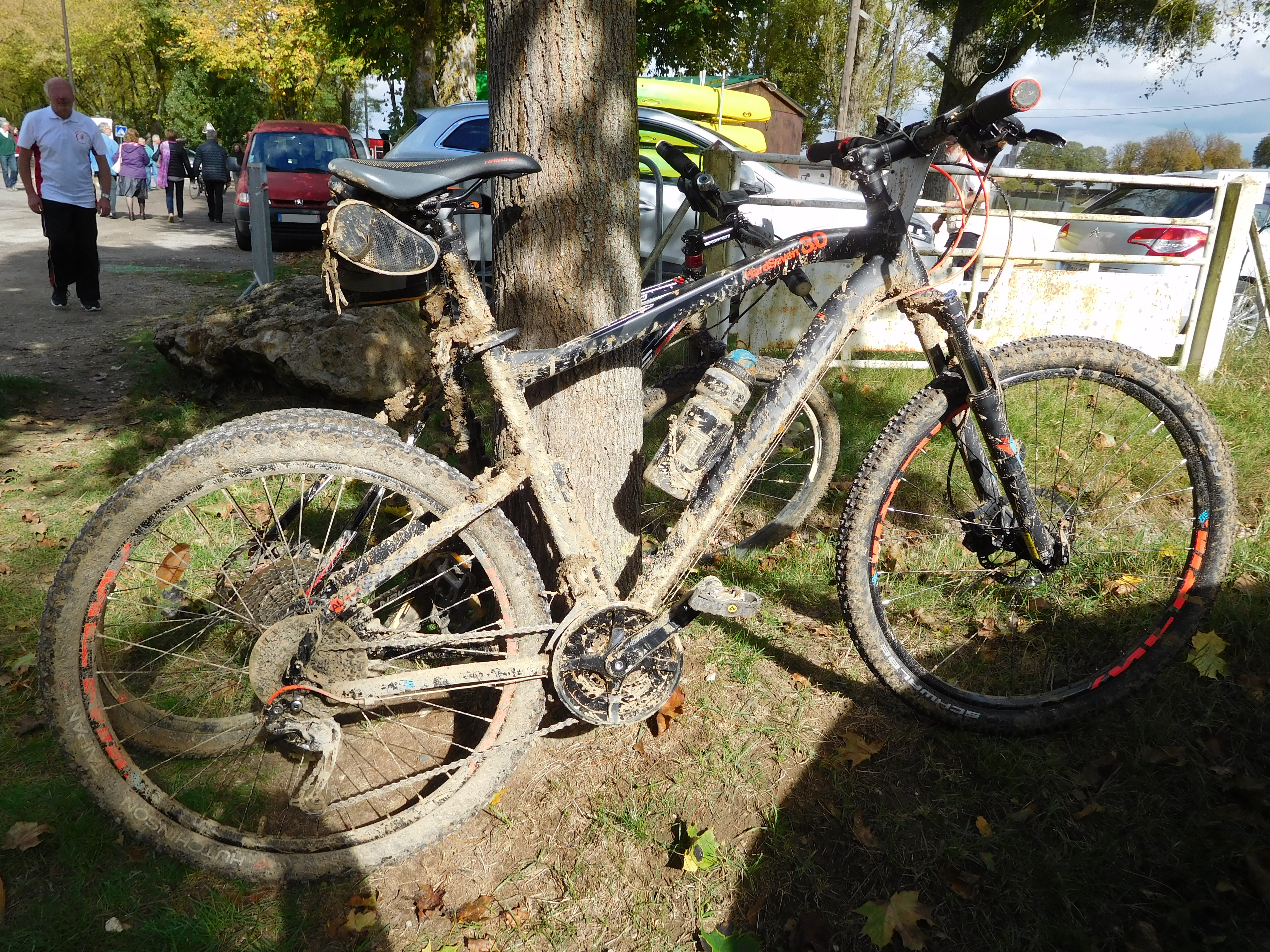
In its English brake entries, the 2018 SEET (https://winora-group.com/wp-content/uploads/2017/11/HAIBIKE_2018_SEET_HardSeven_30.pdf) sheet names Tektro HD-M285 and gives a 180 mm front disc and a 160 mm rear disc. Keep each diameter attached to its position. A note that simply says M285 with a 180 mm rotor loses the separate rear entry and could lead to an incomplete parts enquiry.
The record identifies the historical equipment; it does not report the measurements or condition of the bicycle in front of you. Ask for clear photographs of both caliper markings and both disc inscriptions, and have uncertain details checked. Note any difference from the original sheet rather than assuming the disc at the other end must match.
Separate the caliper, disc and lever in your notes. The historical owner manual (https://winora-group.com/download/2018/01_WINORA%20GROUP/195922_Winora_BDA_Online_EN_Kopierschutz.pdf) describes a disc attached to the wheel hub and a corresponding caliper attached to the frame or fork, with pads operating against the disc. Those are related components, but a familiar lever name alone does not identify every part that may need attention.
Describe the fault and agree the scope of work
Tell the workshop what prompted the enquiry: rubbing, a change in lever feel, reduced braking or an unfamiliar component after a purchase. Include which end is involved and when the change appeared. These observations help organise an inspection; they are not a diagnosis or evidence that a particular rotor, pad or hydraulic service is necessarily required.
Do not use the catalogue to select an unverified pad shape, fluid, wear limit or tightening value. The one-page model sheet does not supply those service instructions. Ask the workshop to identify the actual components and relevant manufacturer instructions before agreeing replacements. If it proposes different disc sizes, obtain an assessment of the complete mounting arrangement rather than treating the old record as upgrade permission.
The manual also warns that brake-lever arrangements can vary. Familiarise yourself with the actual bicycle before riding, and request a demonstration if a handover has left the controls unclear. Do not assume a particular hand operates a particular wheel merely because another Haibike or an example drawing is arranged that way.
After work, ask what checks and bedding-in process apply to the installed brakes. The historical manual explains that new brakes require bedding in and warns about reduced braking force when a system overheats. Have reduced or uncertain braking assessed before use; a service receipt and correct part names do not by themselves establish that the bicycle is ready to ride.
FAQ: Haibike SEET HardSeven 3.0 brakes
Which disc sizes belong in the historical service record?
The 2018 SEET sheet gives 180 mm at the front and 160 mm at the rear. Retain their positions separately.
Does the front diameter approve a larger rear disc?
No. The sheet documents the original entry, not a different disc or mounting configuration.
Where should hydraulic service instructions come from?
Identify the brake actually fitted and obtain its applicable component instructions; the model sheet does not specify service fluid.
A useful brake enquiry keeps the historical specification, current component markings and reported symptom separate. Have the completed system checked before returning the bicycle to use.
Continue with model identity comparison and car-transport guidance in the Haibike topic, alongside the Haibike brand guide.
Photograph credits and permissions
Photograph 1
Original title: Rallye des vignobles 2017, 65, VTT Haibike HardSeven 3.0.jpg
Creator: Cjp24; creator URI: https://commons.wikimedia.org/wiki/User:Cjp24
Original source URI: https://commons.wikimedia.org/wiki/File:Rallye_des_vignobles_2017,_65,_VTT_Haibike_HardSeven_3.0.jpg
License / permission: CC BY-SA 4.0
License / permission URI: https://creativecommons.org/licenses/by-sa/4.0/
Modification notice: Source metadata records GIMP 2.8.2. Original JPEG retained unchanged.