


Haibike HardSeven Total Weight Limit: Include the Bicycle in the Load
Haibike HardSeven total weight limit figures describe more than the rider alone. In the official 2018 SEET HardSeven 3.0 sheet, the listed bicycle weight and permitted total weight are separate entries. Read them as different quantities, then check the label and actual equipment on the bicycle before planning a loaded ride.
Read the Haibike HardSeven total weight limit in context
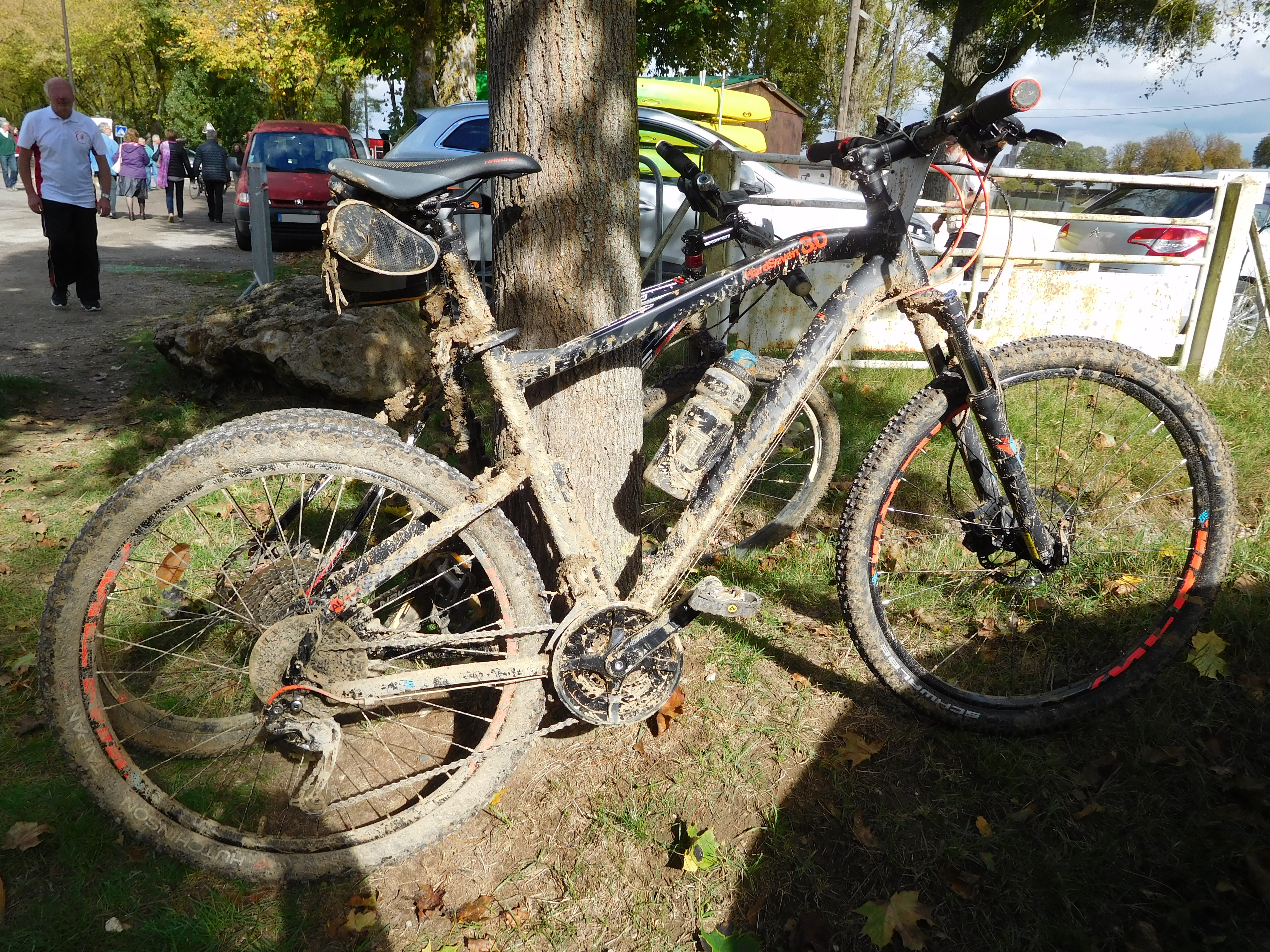
The 2018 SEET (https://winora-group.com/wp-content/uploads/2017/11/HAIBIKE_2018_SEET_HardSeven_30.pdf) sheet gives a catalogue bicycle weight of 14.5 kg and a permitted total weight of 120 kg. These figures apply to that historical model record. They are not a statement that every Haibike has the same allowance, or that an older bicycle with changed components still weighs exactly what the catalogue lists.
In its Cycle chapter, the historical owner manual (https://winora-group.com/download/2018/01_WINORA%20GROUP/195922_Winora_BDA_Online_EN_Kopierschutz.pdf) defines the maximum gross weight using the cycle, rider and luggage or other carried equipment. It directs the owner to the bicycle's own label and to a dealer for unresolved questions. Its example symbols illustrate how labels work; an example printed in the manual should not replace the limit on the actual bicycle.
Begin by establishing the complete model and reading the fitted label. If it is missing, damaged or inconsistent with the paperwork, stop the calculation there and seek confirmation. Selecting the larger of two figures found online is not a sound way to resolve a disagreement. Keep a photograph of the label with the model record for future enquiries.
Account for the complete riding arrangement
Use the bicycle in its actual equipped condition when assessing its mass, including the accessories that will remain attached. Then account for the rider and carried items. A catalogue mass can help interpret the historical record, but changed tyres, a lock, luggage equipment or other additions mean that the present arrangement should be checked rather than reconstructed from an old headline figure.
The useful calculation is the applicable total allowance minus the actual bicycle mass, leaving room for the rider and everything else counted within that allowance. A comfortable margin in one part of the arithmetic does not erase another component's separate restriction. Ask about the limits of any proposed luggage equipment and how it is to be attached; the model sheet does not approve every accessory.
The manual gives a specific additional warning about trailers: under its gross-weight calculation, the trailer and its load are counted as part of the total. That accounting rule does not itself permit a trailer on a particular bicycle. Compatibility and attachment require their own confirmation. Keep permission to fit an accessory separate from the calculation of what it weighs.
Use this check again when the arrangement changes, such as carrying different luggage or adding equipment. A past calculation belongs to the combination that was weighed. Record what was included so another owner or workshop can understand the result, rather than inheriting an unexplained claim that the bicycle is suitable for a particular rider weight.
FAQ: Haibike HardSeven total weight limit
What belongs inside this historical 120 kg total?
The bicycle, rider and other items counted by the manual belong inside the allowance; it is not a rider-only figure.
Which bicycle mass should a present load check use?
Check the actual equipped bicycle. The historical 14.5 kg catalogue entry does not establish its present mass.
Does including a trailer's weight authorise a trailer?
No. The accounting rule and permission to fit a trailer are separate questions requiring the actual bicycle's applicable guidance.
Keep the exact model, visible load label and what was included in the weighing together. A documented total-load check is more useful than a rider-only number copied from an advertisement.
The model identity comparison and car-transport guidance records help organise the next checks. Related background is in the Haibike topic and Haibike brand guide.
Photograph credits and permissions
Photograph 1
Original title: Rallye des vignobles 2017, 65, VTT Haibike HardSeven 3.0.jpg
Creator: Cjp24; creator URI: https://commons.wikimedia.org/wiki/User:Cjp24
Original source URI: https://commons.wikimedia.org/wiki/File:Rallye_des_vignobles_2017,_65,_VTT_Haibike_HardSeven_3.0.jpg
License / permission: CC BY-SA 4.0
License / permission URI: https://creativecommons.org/licenses/by-sa/4.0/
Modification notice: Source metadata records GIMP 2.8.2. Original JPEG retained unchanged.