


Ibis DV9 dropper post insertion: compare depth with saddle height
Ibis DV9 dropper post insertion is only one of the measurements that determines whether a post works for a rider. The V1 archive includes a dedicated depth table and historical saddle-height calculations. Read them separately from advertised dropper travel, and keep the frame size visible throughout the comparison so the wrong column cannot become a purchase decision.
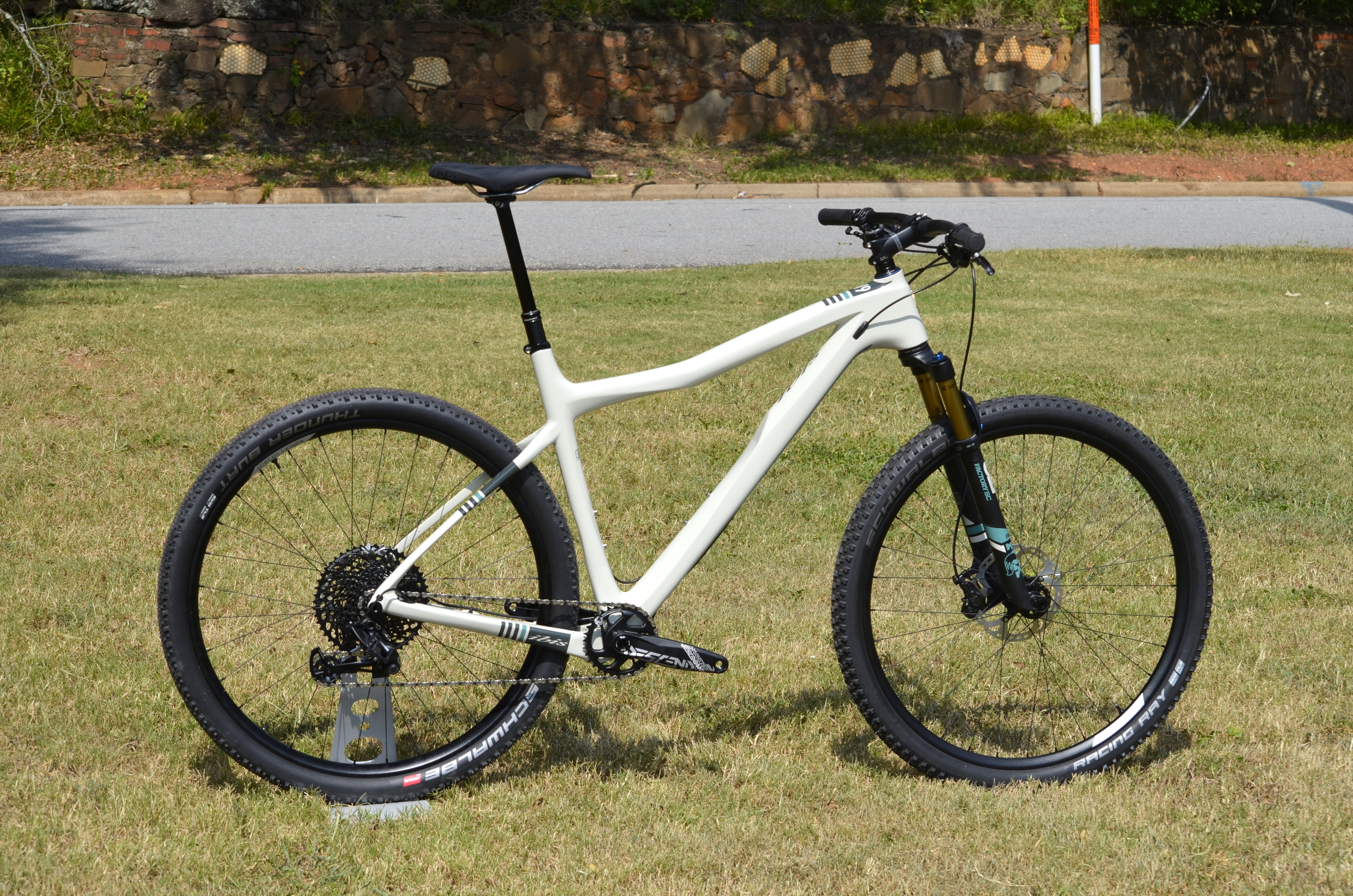
Ibis DV9 dropper post insertion: read the dedicated insertion table
The DV9 V1 archive (https://www.ibiscycles.com/bikes/past-models/dv9-v1) specifies a 31.6 mm seatpost diameter. Its dedicated dropper table gives maximum insertion of 155 mm for SM, 185 mm for MD, 230 mm for LG and 275 mm for XL. Ibis explicitly warns against forcing the post deeper because doing so can cause seat-tube failure.
Do not substitute the general geometry table’s seat-tube length for this maximum. The dropper section has its own Center-to-Top row: 366, 419, 476 and 520 mm. Those are not identical to the general geometry row. Keep each heading and purpose intact rather than trying to reconcile the figures by assuming a missing allowance.
Separate insertion, stroke and installed saddle height
Maximum insertion is not a dropper’s usable travel. The archive’s post examples additionally give minimum and maximum distances from bottom-bracket center to saddle-rail center. Compare those dimensions with the rider’s required saddle position; a post can satisfy the diameter label while still failing the installed-height requirement.
As one historical example, the Bike Yoke Revive 160 row gives the MD frame a 647 mm minimum and 766 mm maximum BB-to-rail height. Those values belong to that named archived example. They are not a promise about every newer post with 160 mm travel, nor should saddle-top height be substituted for the table’s rail measurement.
Check the exact proposed post before buying
Record the rider’s required BB-to-saddle-rail height, exact frame size and proposed post’s complete dimensional information. Ask the supplier or workshop to reconcile insertion depth, installed height and the actual routing arrangement. A travel number on the box does not replace the necessary dimensions of the complete post.
On a used frame, ask about the existing post and any internal obstruction or damage rather than treating the archive maximum as an instruction to push harder. Stop if the post does not enter as expected. Keep this task separate from reading the DV9 fork geometry; both involve measurements, but their reference conditions are different.
FAQ: Ibis DV9 dropper post insertion
Can I force the post down to the published maximum?
No. Ibis warns that forcing a post deeper can cause seat-tube failure. The maximum is a boundary, not a reason to overcome resistance.
Does 185 mm maximum insertion mean 185 mm drop?
No. For MD, 185 mm is the listed insertion limit. Dropper travel and the rider’s installed saddle height are separate measurements.
Can a modern 160 mm post use the archived Revive height figures?
Not automatically. Those figures describe a specific historical example. Compare the dimensions of the exact modern post with the frame and rider measurements.
Use the Ibis topic for connected technical reading and the brand overview for background. An accurately measured post shortlist is more useful than the longest available stroke.
Photograph credits and permissions
Photograph 1
Original title: Ibis DV9
Creator: Glory Cycles
Original source URI: https://commons.wikimedia.org/wiki/File:Ibis_DV9.jpg
License / permission: CC BY 2.0
License / permission URI: https://creativecommons.org/licenses/by/2.0/
Modification notice: Original JPEG unchanged.
Source disclaimer: Original Flickr photograph: https://www.flickr.com/photos/29558127@N06/48723117663/ Creator profile: https://www.flickr.com/photos/29558127@N06/ Embedded EXIF/IPTC/XMP creator tag: Picasa.