


Ibis DV9 chainring size: distinguish V1 round and oval limits
Ibis DV9 chainring size is a practical question when an owner wants different gearing or replaces a worn ring. For V1, the archive distinguishes the usual chainring maximum from its oval recommendation. Keep the ring’s shape, actual mounting arrangement and crank compatibility in the enquiry instead of treating tooth count as the entire specification.
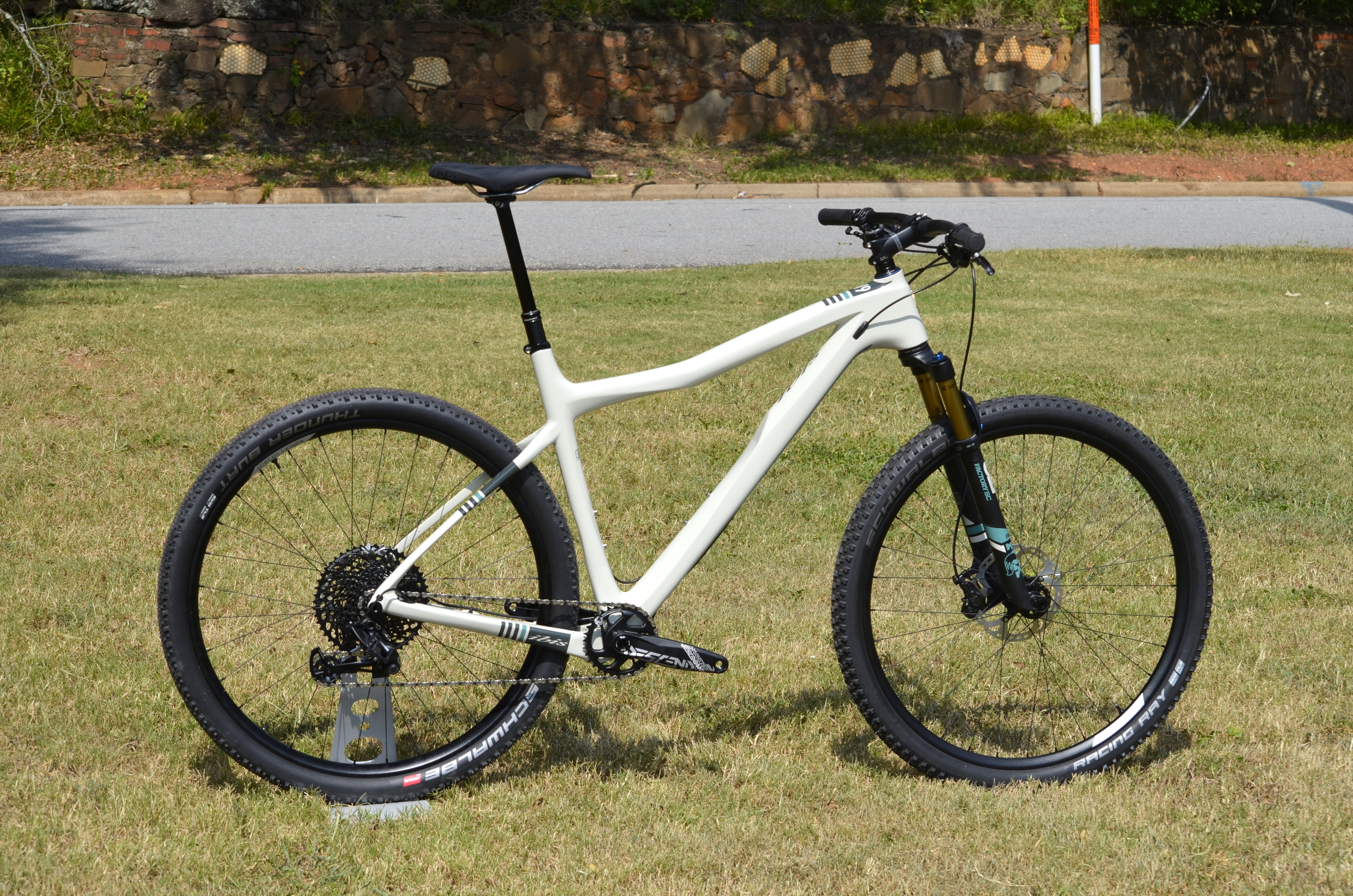
Ibis DV9 chainring size: keep the two maximum figures distinct
The 2018–2020 DV9 V1 archive (https://www.ibiscycles.com/bikes/past-models/dv9-v1) gives a 34-tooth chainring maximum. Its separate oval-chainring FAQ recommends a maximum of 32 teeth and warns that oval rings are not all the same, so clearance needs checking before installation. The smaller oval number is an explicit separate condition, not an alternative spelling of 34 teeth.
When comparing products, write down whether each ring is round or oval before comparing its tooth count. A listing that says only “fits DV9” omits the platform version and may omit the ring shape. Ask for the exact ring model and its applicable crank interface rather than making the decision from a photograph of the packaging.
Check the actual crank and chainline
The V1 specification also lists a 52 mm chainline and 168 mm Q factor. Preserve those as separate entries in the parts enquiry; do not treat Q factor as another name for chainline. The archive does not make a generic chainring’s mounting interface compatible simply because its tooth count falls below a maximum.
Record the existing crank model, ring attachment and any identifying markings. If the bicycle was rebuilt, its present components may differ from the original sale. Ask a mechanic to compare the proposed ring with the actual crank and frame clearance. Do not use an offset or spacer guess to resolve a conflict that has not been properly identified.
Choose a replacement that answers the whole question
A useful replacement request combines the V1 frame, exact crank, proposed ring model, tooth count and shape. Include clear photographs of the installed assembly and explain whether the aim is replacing the same gearing or changing it. This gives the supplier a specific combination to confirm instead of an isolated maximum-tooth question.
If the plan also changes the crank, review the DV9 V1 bottom-bracket requirements independently. Passing the ring-size check does not answer the spindle or bottom-bracket question. Avoid treating the historic whole-bike photograph as a ring-identification tool: it illustrates the family, not an approved parts list for your rebuild.
FAQ: Ibis DV9 chainring size
Can I use the 34-tooth figure for an oval ring?
Not as the oval recommendation. Ibis separately recommends a 32-tooth oval maximum for V1 and says to double-check clearance because oval shapes vary.
Is a ring automatically compatible if it has fewer teeth?
No. Tooth count does not confirm its crank attachment, offset or actual clearance. Check the exact ring and crank combination on the identified frame.
Are chainline and Q factor interchangeable measurements?
No. The archive lists 52 mm chainline and 168 mm Q factor separately. Preserve both labels rather than substituting one value for the other.
For wider context, read the Ibis family introduction or explore the Ibis topic. A confirmed ring-and-crank combination is the goal, not merely the largest published tooth count.
Photograph credits and permissions
Photograph 1
Original title: Ibis DV9
Creator: Glory Cycles
Original source URI: https://commons.wikimedia.org/wiki/File:Ibis_DV9.jpg
License / permission: CC BY 2.0
License / permission URI: https://creativecommons.org/licenses/by/2.0/
Modification notice: Original JPEG unchanged.
Source disclaimer: Original Flickr photograph: https://www.flickr.com/photos/29558127@N06/48723117663/ Creator profile: https://www.flickr.com/photos/29558127@N06/ Embedded EXIF/IPTC/XMP creator tag: Picasa.