


Gazelle rear wheel removal: identify the hub, brake arm and case first
Gazelle rear wheel removal involves more than loosening the axle when an older city bicycle has an enclosed chain, mechanical hub gears and a separate brake attachment. The 2019 general manual describes several branches. Identifying those interfaces before a service appointment helps prevent a wheel job from becoming an improvised cable or brake repair. This preparation guide concerns that historical hardware.
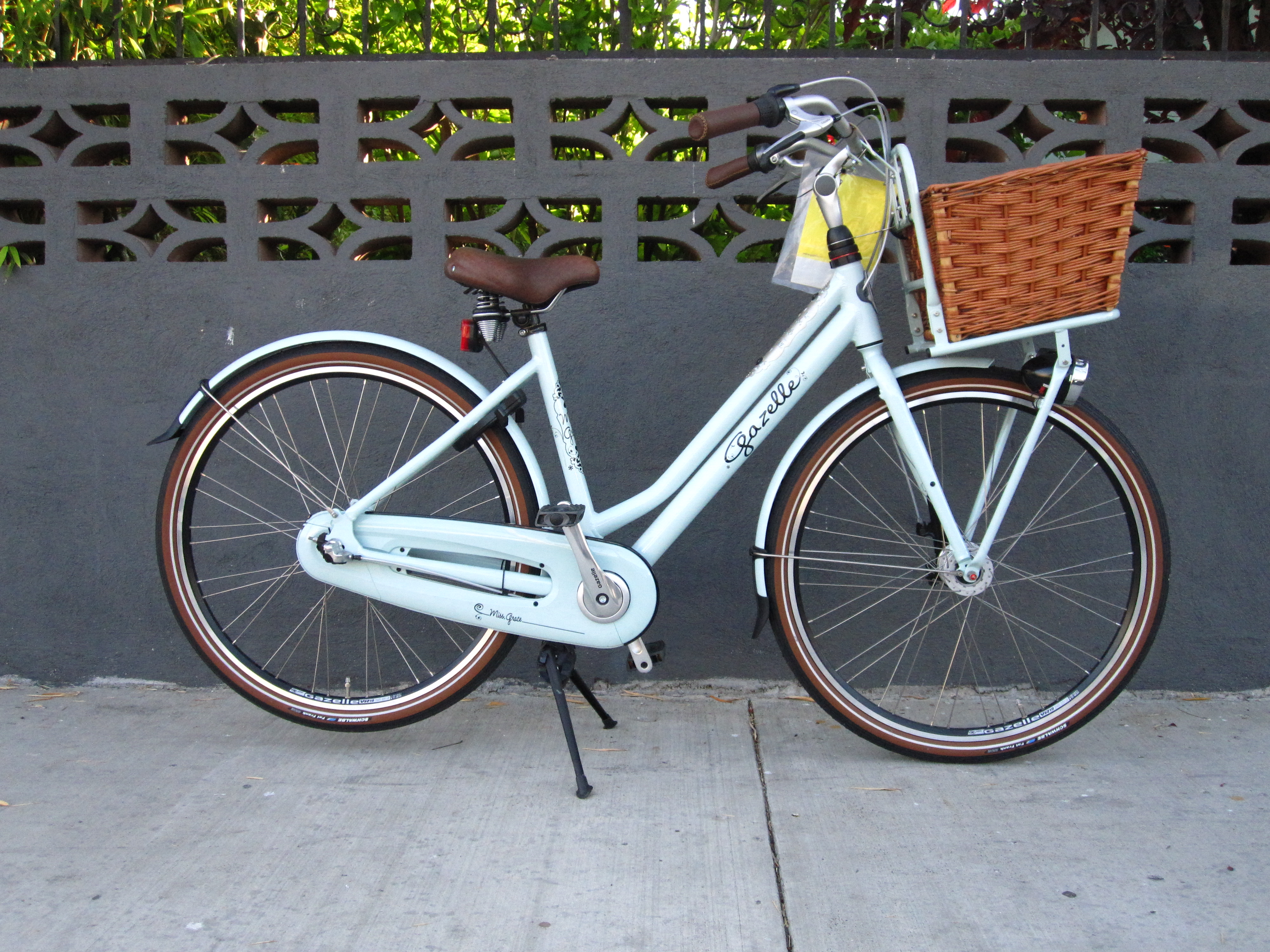
Map the Gazelle rear wheel removal connections
Begin with the chaincase. The manual commonly starts with access through the rear section, but specifically requires complete removal of the Balance case. Record the case family and its fastenings before considering the wheel. A full cover conceals parts; it does not establish that the hidden mechanism matches another Gazelle in the workshop.
Next identify the gear connection. The book distinguishes the connector between cable and chain on a Sturmey-Archer three-speed hub from the shifter unit on a Nexus 3 axle. These are separate arrangements, so a request simply describing a three-speed bicycle leaves an important service question unanswered.
Record the brake attachment and indexed-hub branch
The rear-wheel diagram identifies axle nuts, chain tensioners and a brake arm. A photograph showing all three gives the specialist more information than a close-up of one axle nut. Include the brake’s own markings and explain whether the wheel is being removed for a tyre replacement, a hub concern or a complete wheel change.
Shimano seven-, eight- and eleven-speed hubs have another branch in the text. It specifies first gear before the described disconnection and discusses retaining the cable on the shifting unit so its adjustment is not lost. Yellow marks are relevant when that unit is refitted. These details are reasons to use the matching complete instructions, not a universal disassembly sequence.
Include reassembly in the service plan
The book refers the owner back to its gear chapter for correct hub adjustment after rear-wheel refitting. Wheel alignment, chain tension and brake attachments also remain part of the assembly. A wheel turning freely while the bicycle is lifted does not, by itself, establish that every connection is secured for riding.
If the concern is a buckled rim, broken spoke, hub play or a wheel that does not turn freely, report it before deciding the remedy. Gazelle assigns those wheel problems to its specialist. For a motor wheel, belt-driven assembly or another configuration outside the identified branch, obtain its own instructions rather than extending this historical chain-driven procedure.
Wheel-service preparation FAQ
Are Nexus 3 and Sturmey-Archer 3 cable connections identical?
No. The manual describes distinct shifter-unit and cable-to-chain connection arrangements.
Does the seven- to eleven-speed branch start in fourth gear?
No. Its wheel-removal preparation specifies first gear; the separate gear-adjustment chapter answers a different question.
Should a broken spoke be treated as only a cosmetic problem?
No. The manual explains that wheel distortion can lead to additional spoke failures and recommends specialist repair.
Compare the separate hub inspection positions before confusing them with removal settings. Browse the Gazelle background and topic index for related references.
References: 2019 general manual (https://resource.pon.bike/by/asset/2e231c0f-5703-4409-a370-e00260a2d8ef/GAZ_ALG_EN_19_1-pdf.pdf).
Photograph credits and permissions
Photograph 1
Original title: Gazelle Miss Grace 54cm at Flying Pigeon LA
Creator: Umberto Brayj
Original source URI: https://www.flickr.com/photos/ubrayj02/5716533759/
License / permission: CC BY 2.0
License / permission URI: https://creativecommons.org/licenses/by/2.0/
Modification notice: Original JPEG unchanged.