


Gazelle chain case removal: distinguish the end-cap and whole-case designs
Gazelle chain case removal can mean releasing a small rear cap or taking off an entire enclosure. The difference matters before a tool is placed against a cover edge. Gazelle’s 2019 general manual shows several named chaincases with distinct access arrangements. Use those historical illustrations to identify the fitted case, rather than assuming that every enclosed city-bike chain uses the same clips.
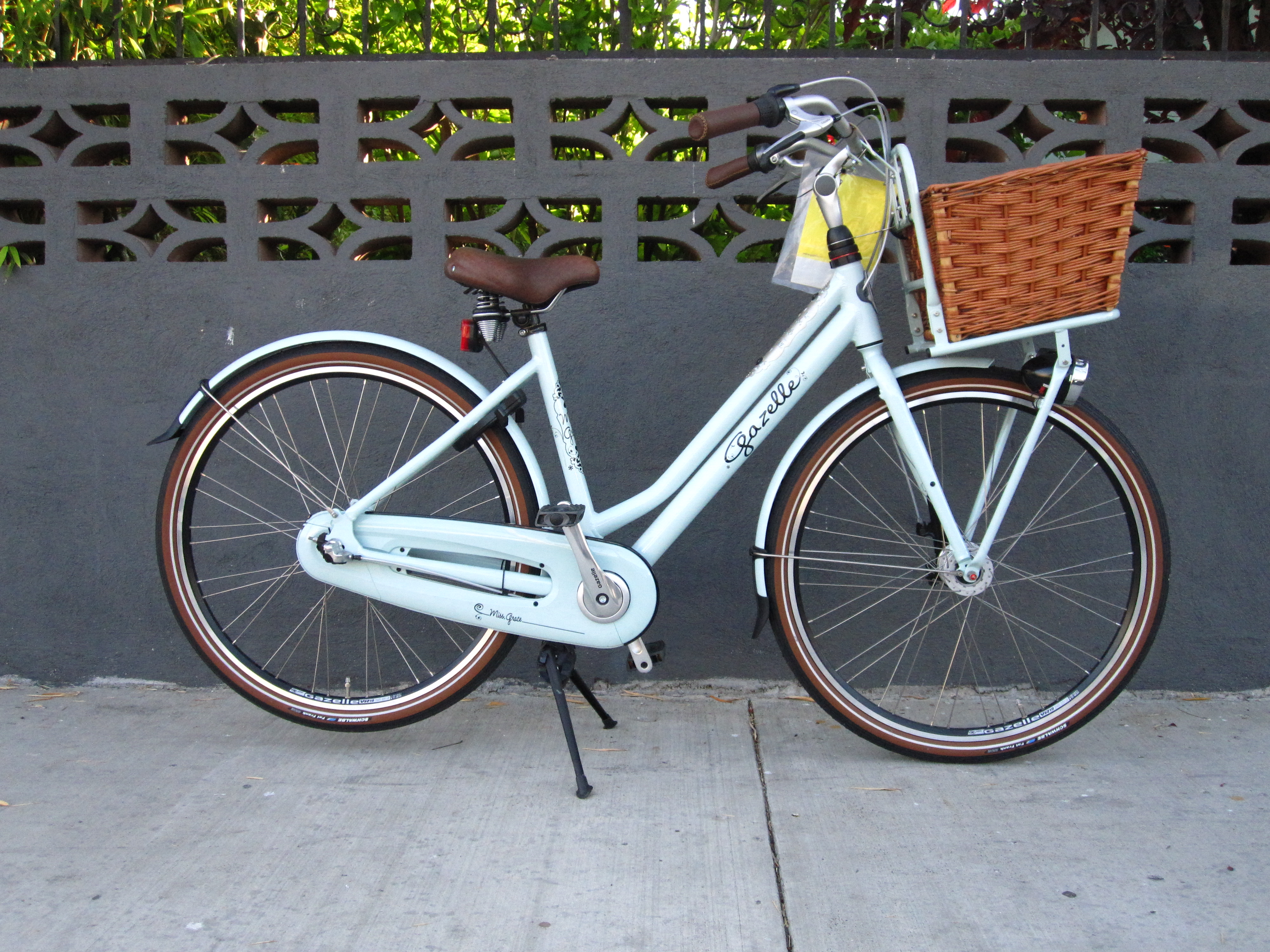
Choose the Gazelle chain case removal branch
The Next case is described with a rear cap that slides off by hand. Linea uses a different sequence: its upper lip is unclipped first, followed by the lower lip, after which the cap can slide rearwards. A familiar-looking seam is not enough to establish that these two covers release in the same way.
Look for the case name, fastening points and the complete shape of the rear section. A clear photograph should include the edge being considered, rather than only a decorative logo. If the case cannot be matched to the illustrated family, ask a Gazelle specialist to identify it before trying to make a reluctant edge behave like the Next design.
Recognize when the whole case is involved
For Balance, the manual says the case can only be removed in its entirety by undoing four screws. Its rear-wheel section repeats the distinction. That makes the task materially different from sliding off an end cap for access. Do not treat the absence of an easily released cap as evidence that greater pulling force is required.
Flowline, Finura, Agudo, Xcero, Delgado and Cadena form another described group: a screw is removed before the end cap is freed from below and moved rearwards. The adjacent diagrams help identify the fastening arrangement. These are named designs in the historical book, not a promise that a replacement cover or newer bicycle has identical construction.
Keep access separate from the repair behind it
The chapter explains that a case may need partial removal for chain lubrication or rear-wheel work. Opening it does not establish the correct chain tension, axle fastening or gear-cable procedure. Those operations appear elsewhere in the manual and depend on the actual drive, hub and brake arrangement.
Before starting, decide whether the goal is cover access, a drivetrain inspection or a workshop wheel repair. Retain the identified cover hardware and document how it fitted. If a clip or edge is already damaged, include that in the service enquiry; a loose cover should not simply be forced back toward a moving chain and assumed secure.
Chaincase access FAQ
Does the historical Balance case have a normal slide-off rear cap?
The cited book describes removing the entire Balance case, using its four screws.
Should a Flowline end cap be pulled before checking for its screw?
No. The documented group uses a screw-first release before the cap is freed and moved rearwards.
Does removing a chaincase also set the chain tension?
No. Access and tension adjustment are separate jobs with different hardware and instructions.
Plan the next step with the wheel-service preparation guide or drive-care distinctions. The Gazelle collection includes the original brand overview.
References: 2019 general manual (https://resource.pon.bike/by/asset/2e231c0f-5703-4409-a370-e00260a2d8ef/GAZ_ALG_EN_19_1-pdf.pdf).
Photograph credits and permissions
Photograph 1
Original title: Gazelle Miss Grace 54cm at Flying Pigeon LA
Creator: Umberto Brayj
Original source URI: https://www.flickr.com/photos/ubrayj02/5716533759/
License / permission: CC BY 2.0
License / permission URI: https://creativecommons.org/licenses/by/2.0/
Modification notice: Original JPEG unchanged.