


Gazelle belt drive maintenance: separate belt care from chain routines
Gazelle belt drive maintenance should not begin with the oil used on a neighbouring chain-driven bicycle. The general Gazelle manual produced in 2019 places chain and belt care in separate sections, including different tension and cleaning considerations. Its distinction is valuable for an older city-bike owner, while its historical details must remain tied to the fitted system and the appropriate component instructions.
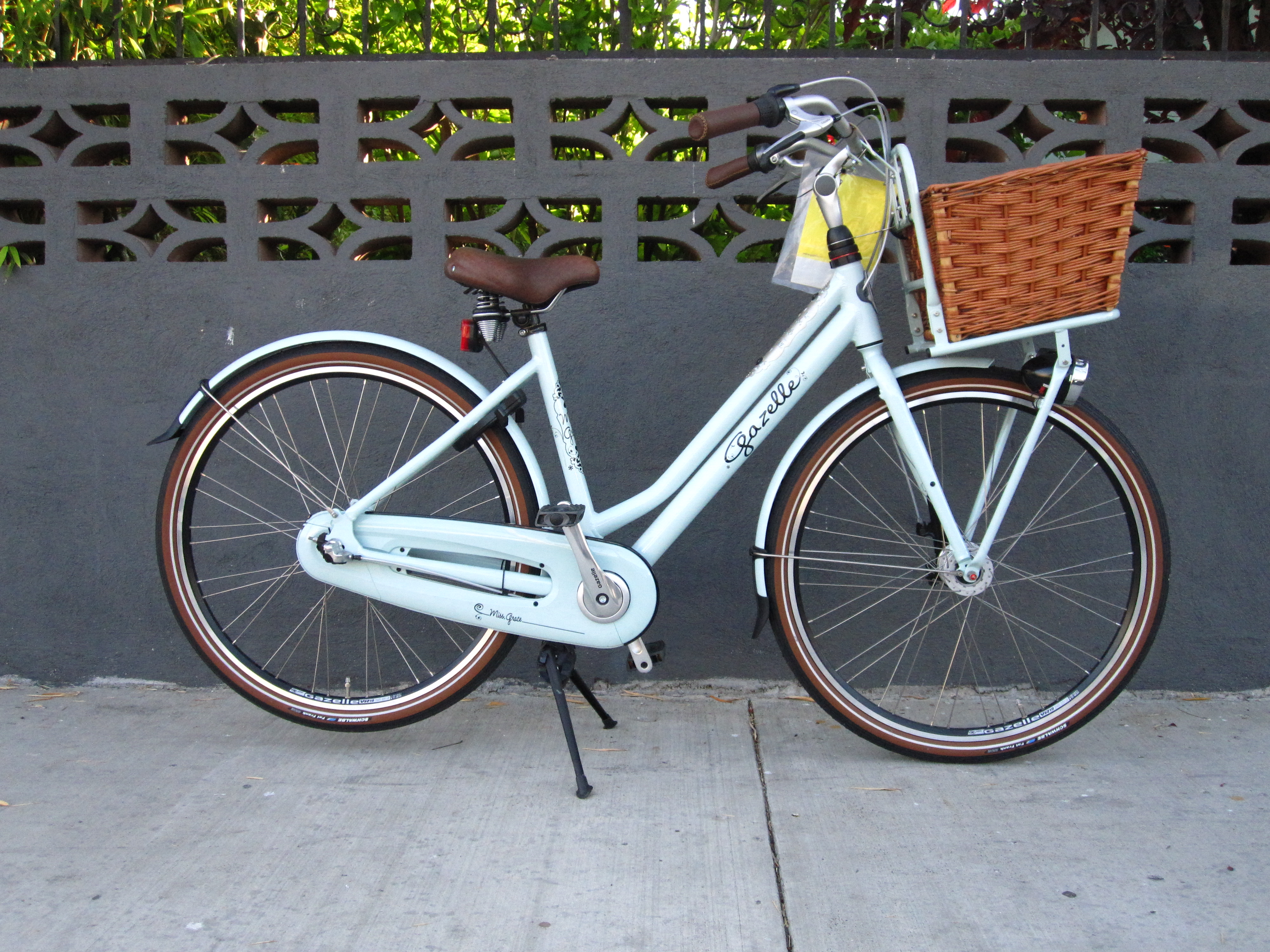
Identify the system for Gazelle belt drive maintenance
Start with the actual drive rather than the appearance of its cover. The book describes cleaning and lubricating a chain, spreading the lubricant through movement and wiping away excess. It separately discusses belt teeth and sprocket profiles collecting debris. A routine appropriate to the first system should not be transferred automatically to the second.
The chapter also names a particular Flowline chaincase with automatic chain adjustment. That is a specific mechanism described by the source, not evidence that every covered Gazelle drive adjusts itself. Photograph the drive and its markings for the dealer if the fitted parts or their service history are uncertain.
Cleaning and tension answer different problems
In the belt section, the manual describes dust, small stones or twigs becoming trapped and contributing to wear or noise. It discusses brushing and washing, then refers the reader to the dedicated belt manual for further operation, maintenance and adjustment information. Gazelle’s safety guide separately prohibits high-pressure cleaning, which can remove protective lubricant from moving parts.
Persistent noise after cleaning is useful information for the workshop, but does not identify a universal chemical treatment. The 2019 text contains a dry-silicone suggestion; that historical statement does not establish the correct product for every belt now sold. Obtain the actual belt maker’s applicable guidance before selecting any treatment for a newer or replaced drive.
Keep tension settings with their original context
The book links insufficient belt tension with skipping and warns that excessive pretension can overload the bottom-bracket and rear-hub bearings. It recommends a Gazelle specialist for setting tension. Those consequences explain why an owner should report the symptom and installed system, rather than tightening until the drive merely feels firm.
A numerical example in a general historical book cannot specify every combination of frame, sprockets and belt. Ask the dealer which component instructions and measuring method apply to the actual bicycle. Keep cleaning products and lubricants away from braking surfaces throughout the work; drivetrain care should not create a separate brake-contamination problem.
Drive care FAQ
Does an enclosed chaincase prove that the bicycle uses a belt?
No. Identify the drive itself; the cover’s appearance does not establish the mechanism beneath it.
Can extra tension compensate for every noisy belt?
No. The manual identifies debris and tension as separate concerns and warns against excessive pretension.
Does the old book provide one setting for all modern Gazelle belts?
No. Match the installed components to their applicable instructions and the dealer’s measuring process.
If access is needed, first identify the chaincase release arrangement. For context, visit the Gazelle brand guide and Gazelle topic.
References: 2019 general manual (https://resource.pon.bike/by/asset/2e231c0f-5703-4409-a370-e00260a2d8ef/GAZ_ALG_EN_19_1-pdf.pdf); Safety V4 (English) (https://resource.pon.bike/by/asset/47d62332-2497-4627-8bbc-fcb32f625d13/GEBRUIKERSHAND-VEILIGHEID-GARANTIE-V4-pdf.pdf).
Photograph credits and permissions
Photograph 1
Original title: Gazelle Miss Grace 54cm at Flying Pigeon LA
Creator: Umberto Brayj
Original source URI: https://www.flickr.com/photos/ubrayj02/5716533759/
License / permission: CC BY 2.0
License / permission URI: https://creativecommons.org/licenses/by/2.0/
Modification notice: Original JPEG unchanged.