


Gazelle tyre pressure: read the installed tyre before using a general range
Gazelle tyre pressure should be established from the tyre actually installed, together with its wheel requirements. An older city bicycle may have received several replacement sets, so neither its brand nor a historic photograph supplies the right inflation figure. Gazelle’s general manual from 2019 provides useful inspection questions, but its broad ordinary-bike range should not be promoted as one setting for every Gazelle.
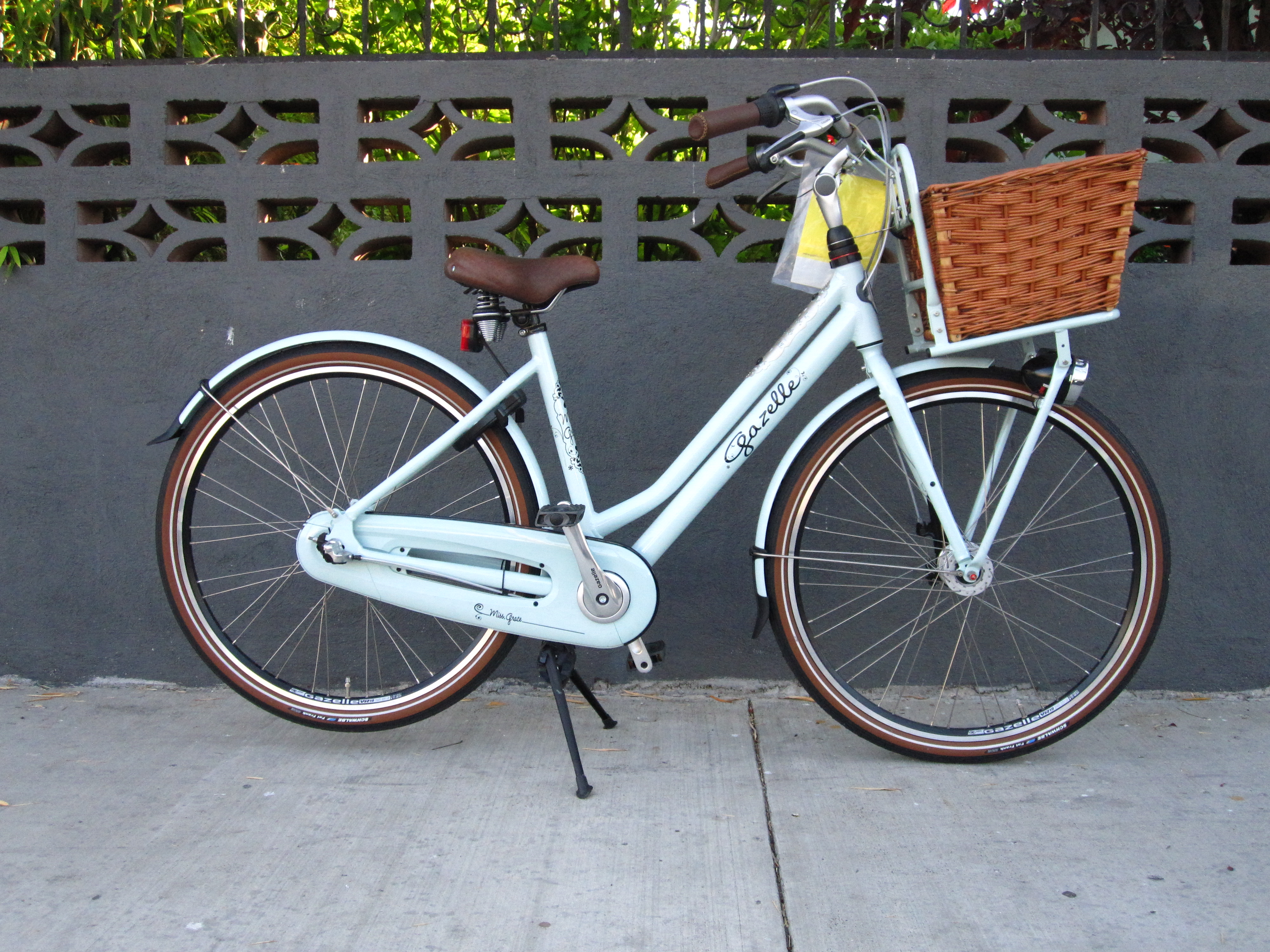
Read the fitted Gazelle tyre pressure reference
The tyre chapter directs owners to the pressure information on the sidewall and discusses using a pump with a gauge. The later safety booklet repeats that required pressure depends on tyre type and size. Record those markings before asking for help; a model name alone leaves the replacement tyre’s identity unresolved.
The historical text also mentions checking firmness with the thumbs, but a subjective impression is not a substitute for the actual markings and an appropriate measurement. If tyre and rim instructions seem inconsistent, resolve that combination with the supplier or workshop. Do not select a figure merely because it appeared in a general table for another bicycle.
Check condition as well as inflation
Gazelle links underinflation with increased wear and puncture risk, as well as less satisfactory steering and braking response. Its inspection list includes worn tread, visible canvas, small cracks and a noticeable increase in punctures. Adding air cannot repair a casing that has reached its replacement condition.
Describe where damage appears and whether loss of pressure happens rapidly or over a longer period. Include the tyre markings and any recent repair history in photographs. Long periods without use do not remove the need for a condition check; the book specifically notes that extended storage can adversely affect tyres.
Separate a valve problem from a punctured tube
The repair section first checks whether the valve is leaking: wetting its opening and observing bubbles can reveal that route. A sound valve followed by continuing loss points the investigation elsewhere. This is a source-specific diagnostic distinction, not a guarantee that every flat tyre has only one cause.
For the inner-tube repair described in the book, it also calls for checking the tyre for sharp objects, centring the rim tape and avoiding a folded or twisted tube. Those details explain why a newly patched tube can fail again if the original cause remains. Replacing a tube or tyre may require the separate wheel-removal process, which must match the hub and brake hardware.
Pressure and puncture FAQ
Does Gazelle’s old ordinary-bike range override a replacement tyre’s markings?
No. Use the identified tyre and wheel requirements, and resolve uncertainty before inflating or riding.
Can more air make cracked or exposed-canvas tyres serviceable?
No. The manual lists those condition problems as reasons to replace the tyre.
Does every flat require immediate rear-wheel removal?
Identify the valve and tube problem first; the repair needed and the fitted wheel connections determine the next task.
For access planning, see rear-wheel service preparation. The Gazelle reference collection also includes the brand’s background guide.
References: 2019 general manual (https://resource.pon.bike/by/asset/2e231c0f-5703-4409-a370-e00260a2d8ef/GAZ_ALG_EN_19_1-pdf.pdf); Safety V4 (English) (https://resource.pon.bike/by/asset/47d62332-2497-4627-8bbc-fcb32f625d13/GEBRUIKERSHAND-VEILIGHEID-GARANTIE-V4-pdf.pdf).
Photograph credits and permissions
Photograph 1
Original title: Gazelle Miss Grace 54cm at Flying Pigeon LA
Creator: Umberto Brayj
Original source URI: https://www.flickr.com/photos/ubrayj02/5716533759/
License / permission: CC BY 2.0
License / permission URI: https://creativecommons.org/licenses/by/2.0/
Modification notice: Original JPEG unchanged.