


BESV PSA1 vs PS1: Global Frame and Gearing Specifications
BESV PSA1 vs PS1 is more useful as a comparison of two documented builds than a simple question of whether carbon is better than aluminium. The global manufacturer pages provide concrete differences in frame material, transmission and other listed parts. They do not provide an independent ride test or a perfectly matched weight comparison.
Compare BESV PSA1 vs PS1 using one source set
This guide compares the live global PSA1 specification page with the global PS1 specification page. It does not import Japanese retail builds, US assistance limits or older handbook battery figures. The pages are currently accessible but do not establish a new model-year release or local availability.
| Published item | PSA1 | PS1 |
|---|---|---|
| Frame | Aluminium | Carbon fibre |
| Transmission | Shimano Altus, 7 speeds | Shimano Deore, 10 speeds |
| Tyres | CST C1854, 20 × 1.95 | Schwalbe Big Apple, 20 × 2 |
| Listed battery | 36V, 10.5Ah | 36V, 10.5Ah |
These rows help identify a build and prepare questions for a dealer. The transmission names do not mean every component belongs to a complete matching groupset. Nor does the frame-material row establish how either bicycle will feel to an individual rider.
Separate the published equipment from the riding experience
The PSA1 page names an RST CAPA 20 fork and KS A5-RE rear shock. The PS1 page names GRIND 20 and gives a suspension-travel figure. The listed brake models also differ: Tektro MD-M311 for PSA1 and Tektro HD-E520 for PS1. Check the actual bicycle rather than assuming a photograph displays every listed part.
Both tables specify a 250W rear-hub motor, torque sensing and assistance modes one to three plus Smart. Those shared labels do not demonstrate equal range, identical tuning or interchangeable batteries and electronics. Choose a test ride and hardware-specific documentation over conclusions that the tables cannot support.
Why the weight figures cannot simply be subtracted
The PS1 description qualifies its 17.5kg figure by excluding pedals, kickstand, fenders and lights. The PSA1 table gives 19kg without the same explicit exclusions. Subtracting the numbers would therefore create an apparently precise saving without showing that the bicycles were weighed with the same equipment.
If carrying is important, ask for the weight of the exact equipped bicycle and consider how you will lift it. Keep included accessories and fitted modifications in that discussion. This comparison makes no claim about a measured lifting advantage, durability ranking or best-value winner.
FAQ: Choosing between the two compact models
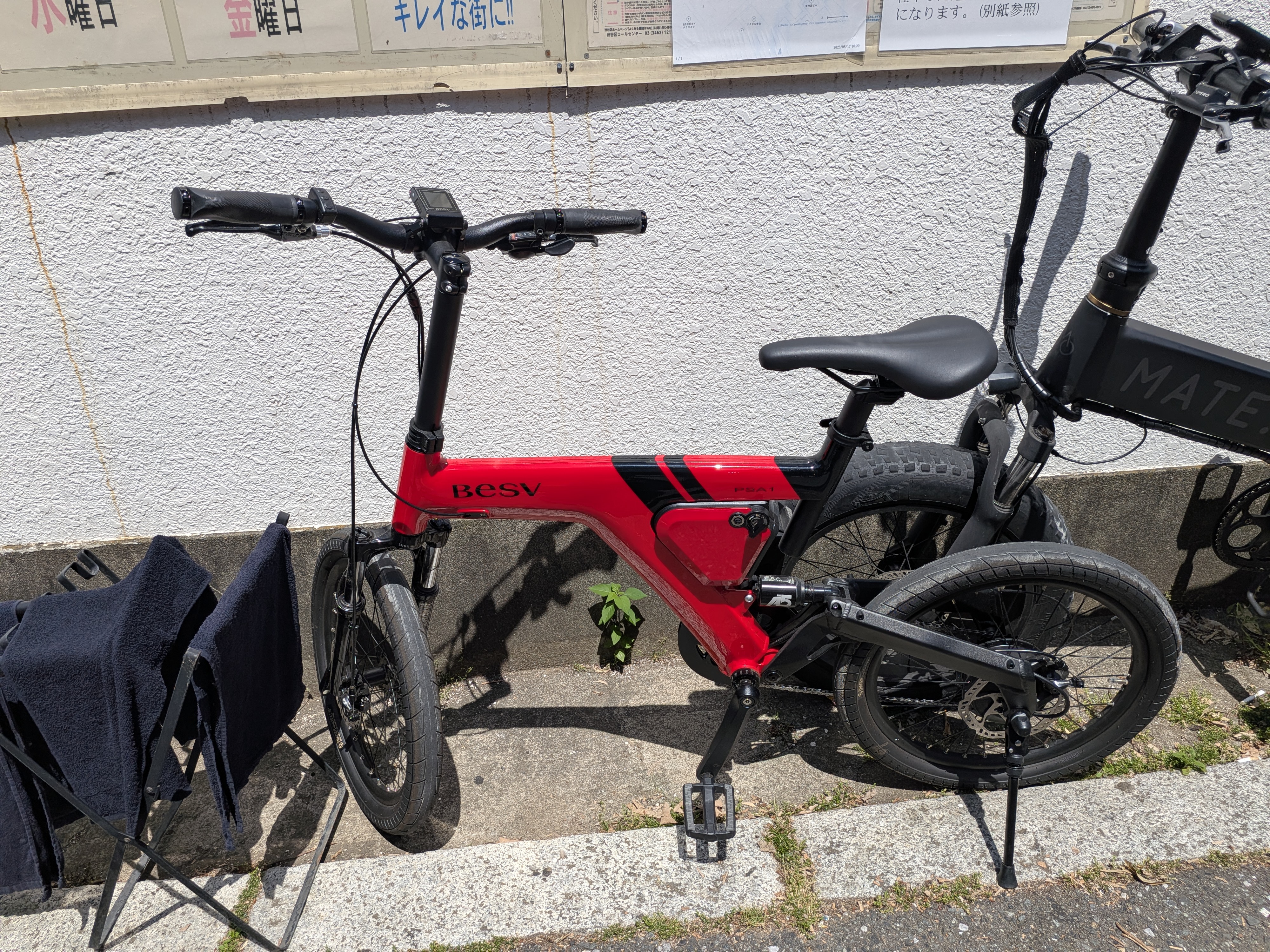
Is the PS1 pictured beside the PSA1?
No. The photograph supplies a real PSA1 comparison-side image only. It does not depict the PS1 or prove that the pictured PSA1 matches the global specification version.
Does more gearing guarantee easier climbing?
No. A speed count alone does not establish gear range or climbing effort. The cited rows identify transmissions, not a controlled comparison of the rider, gradients and complete gear ratios.
What if folding is the main requirement?
That is a different design question. See the PSA1 versus PSF1 comparison for the manufacturer’s documented folding model and storage-related boundaries.
The BESV topic connects these model guides without treating every regional build as the same bicycle.