


BESV PSA1 Saddle Adjustment: Legacy Fit and Security Checks
BESV PSA1 saddle adjustment should start with the seatpost and controls actually fitted, not a rider-height guess based on its small wheels. Raising the saddle changes fit, but it cannot make an unsuitable bicycle suitable by ignoring insertion limits, reach or secure attachment.
Read the BESV PSA1 saddle adjustment limits first
Printed page 39 of the manufacturer's legacy PSA1 handbook discusses saddle height, fore-and-aft adjustment and the position of controls. It states a minimum seatpost insertion of ten centimetres for the documented setup. That is a version-specific instruction, not an approval for every replacement post or frame combination.
Check the manual alongside the markings and instructions on the installed components. If they disagree, or the seatpost was replaced, stop and ask a qualified dealer to resolve the correct limits. Do not use a shorter insertion simply because a visible mark seems to leave more adjustment available.
Assess reach as well as saddle height
The handbook also discusses arranging the grips, brake levers and gear controls so they can be used properly. A comfortable seated position is only part of the task. The rider must be able to reach and operate the brakes and controls without an awkward hand position or stretching beyond reasonable control.
Make adjustments with the bicycle stationary and securely supported. Do not treat this guide as a torque chart: the correct fastening method depends on the fitted hardware. Where adjustment requires tools, uncertain clamp condition or mechanical work, have a knowledgeable professional carry it out and verify security.
Check that the adjusted parts remain secure
Page 38 includes checks that the saddle, seatpost, handlebar and brake levers are secured. Movement that should not be present is a reason to stop, not a feature to tolerate until the next service. Do not continue riding while trying to compensate for a slipping saddle or rotating control.
If a usable position would exceed the permitted adjustment, seek a proper fit assessment rather than adding an unverified post, stem or handlebar. The available source does not supply a rider-height chart, a child-fit recommendation or an approved list of upgrades. Those questions need additional model- and component-specific evidence.
FAQ: Fit without invented sizing rules
Do 20-inch wheels mean the PSA1 is a children's bike?
Wheel diameter alone does not establish the intended rider or a safe fit. This article provides no child-age recommendation; it concerns the controls and adjustment limits in the named PSA1 handbook.
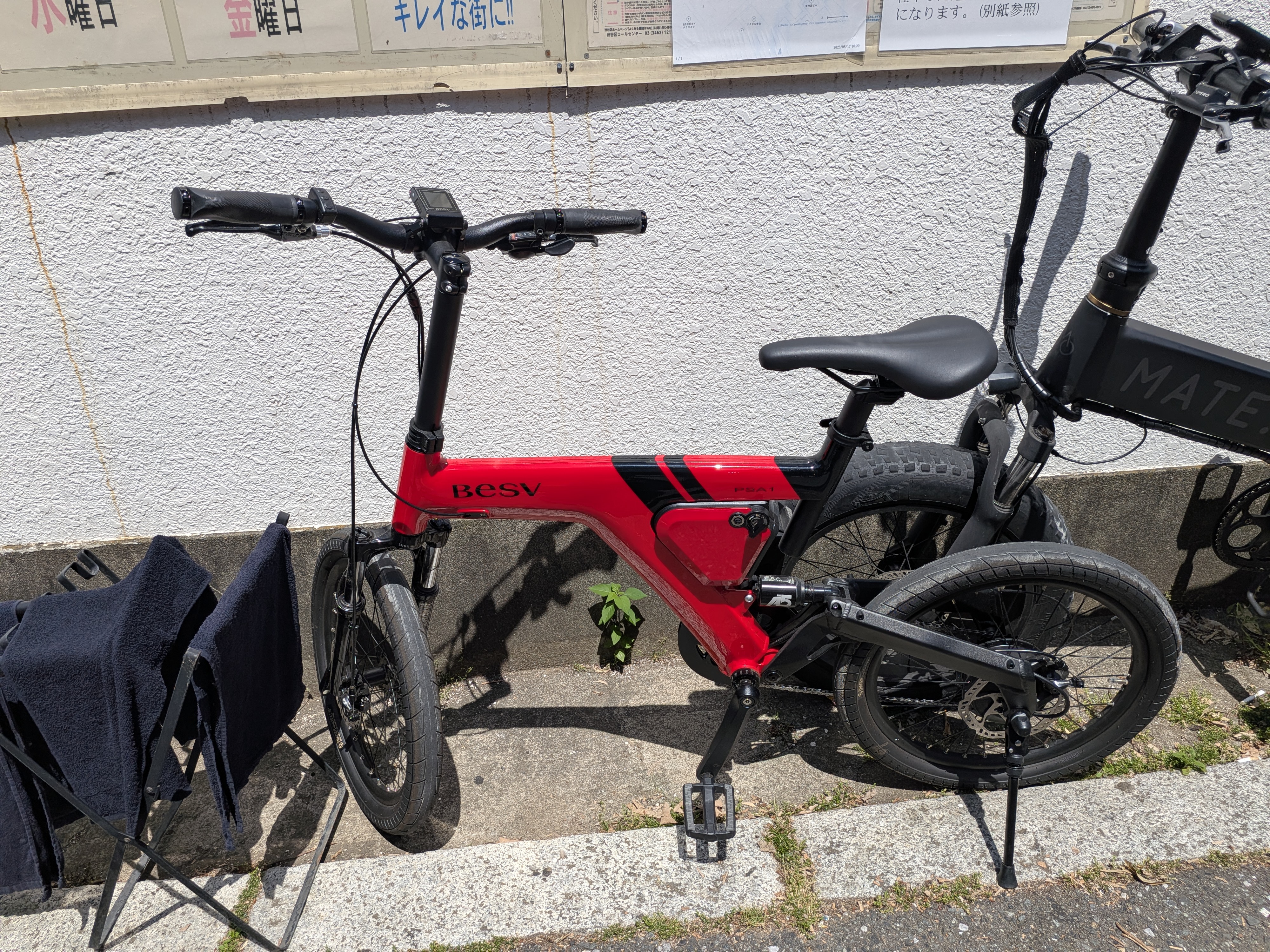
Does the photo show the insertion mark?
No. The photograph identifies a PSA1 and its general saddle arrangement, not a measured insertion depth, a fitting assessment or an example that should be copied by another rider.
What if an adjusted saddle moves during a check?
Do not ride until the problem is resolved. The PSA1 maintenance guide explains how security checks fit into the broader inspection plan and dealer-service boundaries.
More model context is available in the BESV collection; individual fit still needs the actual rider and bicycle.