


Ampler Belt vs Chain: Choosing Between Fixed Ratios and Gears
An Ampler belt vs chain decision is also a decision about gearing. In the documented Nova Pro and Curt configurations, the belt alternatives use a single mechanical ratio, while the chain alternatives provide selectable gears. That distinction deserves attention before maintenance preferences decide the shortlist. More model-specific references are available in the Ampler collection.
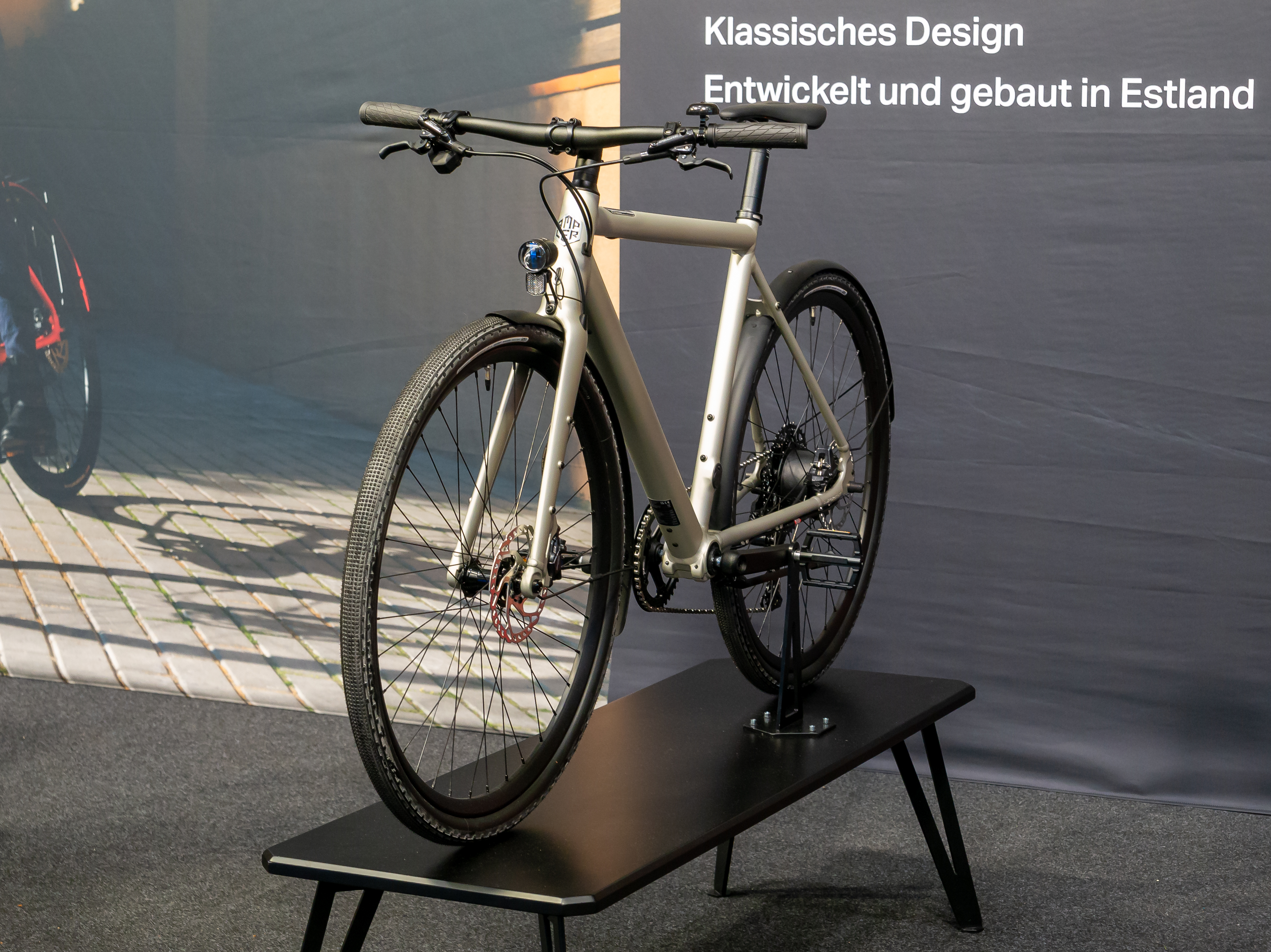
Ampler belt vs chain starts with the route
The Nova Pro page positions its Gates CDX belt around flat city riding and its Shimano Deore ten-speed option around hills and varied terrain. The Curt specification similarly distinguishes a Gates CDX build from an eleven-speed chain build. These alternatives should not be reduced to “clean” versus “traditional.”
A useful evaluation includes a standing start on your steepest usual incline. Try the bicycle with the sort of load you normally carry and assess whether the pedalling rhythm suits you. Electric assistance and mechanical gearing are separate controls; changing assistance does not create additional sprocket ratios.
For mostly level riding, ask whether the belt version’s single ratio remains comfortable at your ordinary pace. For varied terrain, consider how often you would want to change cadence without making a large change in effort. The answer is personal, but the question is more precise than assuming one transmission is universally easier.
The belt parts differ between model families
Ampler lists Nova Pro’s belt arrangement as a 55-tooth front pulley, 19-tooth rear sprocket and 120-tooth belt. Curt’s listed arrangement uses 60, 21 and 122 teeth respectively. These component descriptions are a reason to identify the model before ordering replacements, even though both systems carry the Gates CDX name.
Do not use the pulley figures alone to declare that the two bicycles have identical gearing or feel. Wheel dimensions and the rest of the bicycle also belong in that comparison. For servicing, record the markings on the fitted components and ask the workshop to confirm compatibility before obtaining parts.
A belt preference also does not settle the complete carrying weight or equipment choice. Our Curt weight guide separates drivetrain mass from the equipped configuration. If comparing used examples, assess the actual transmission’s condition rather than assuming its design tells you how the previous owner maintained it.
FAQ: Drivetrain decisions
Does a belt Ampler have multiple assistance levels?
Mechanical ratios and motor settings are different matters. The single-speed description concerns the transmission; check the exact bicycle’s instructions for operating assistance.
Are Nova Pro and Curt replacement belts interchangeable?
The listed belt tooth counts differ. Do not order a replacement solely because it is labelled Gates CDX or described as suitable for an Ampler.
Can I assume a chain-to-belt conversion is straightforward?
No. These pages document complete configurations, not an approved conversion procedure or universal parts package. Obtain model-specific technical confirmation before planning such a change.
Resolve Ampler belt vs chain by considering route, cadence and maintenance preferences together. Then retain the exact model and component details so the choice remains clear when the bicycle eventually needs service.