


Ampler Curt Weight: Understanding Belt, Geared and Equipped Versions
Ampler Curt weight depends on which build you mean. The lightest headline figure does not describe every drivetrain and equipment combination. For anyone carrying a bicycle upstairs or lifting it into storage, identifying the complete version matters more than remembering a single number. The Ampler brand collection provides context for Curt alongside the comfort-oriented models.
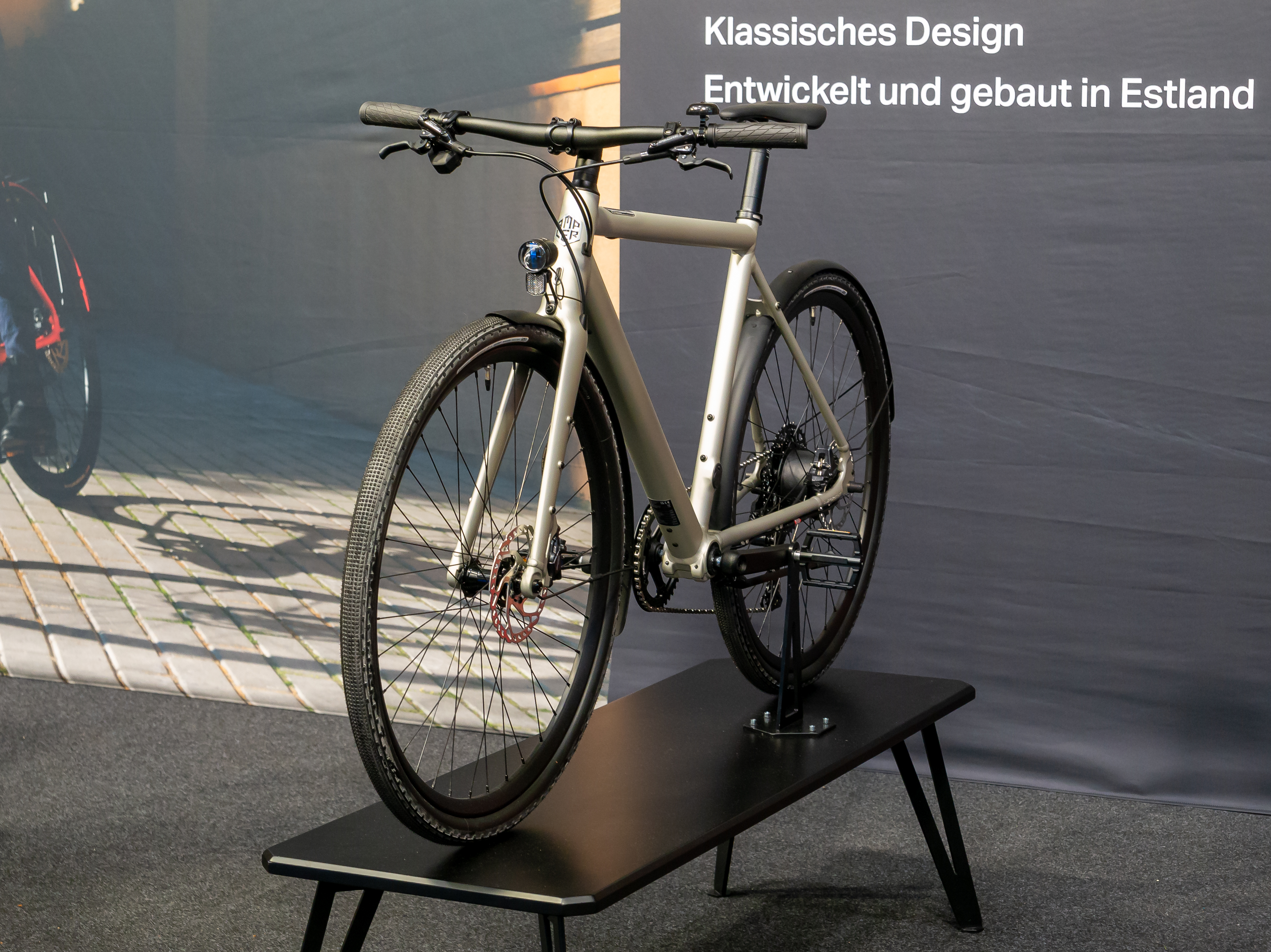
The four published Ampler Curt weight figures
The manufacturer’s Curt specification lists the belt version at 14.1 kg and its equipped counterpart at 15.3 kg. The eleven-speed version is listed at 15.1 kg, increasing to 16.3 kg with equipment. Ampler identifies the EQ kit as mudguards, rear carrier and kickstand. These are published specifications, not independent scale measurements.
Within those figures, the equipment adds 1.2 kg to either drivetrain. Choosing the geared build adds 1.0 kg relative to the corresponding belt build. That arithmetic is useful because it separates two decisions that are otherwise easy to blend together: the transmission you want and the everyday equipment you need.
The Curt product page also distinguishes Belt and 11-speed versions with Blank and Equipped configurations. Record both selections when comparing listings. A seller’s description of “Curt, lightweight” leaves the important detail unresolved.
Compare the load your stairs will actually see
Start with the version you would use throughout the week. If your commute calls for a rear bag and wet-weather equipment, comparing another bicycle against Curt’s lightest unaccessorised figure can give a misleading impression. Add your own lock, bag and other carried items to the planning exercise, without assuming they are included in the manufacturer’s number.
Then inspect the lifting task itself. A broad staircase with room to turn differs from a narrow landing where the front wheel must be raised. If possible, practise the actual movement with a comparable load and help nearby. A specification cannot establish whether that lift is comfortable for your strength, balance and available space.
For an existing bicycle, ask for a measured weight and a description of what remained attached during weighing. Use it alongside the published figure rather than interpreting every difference as a defect. Replacement components and accessories can change the result. For the transmission decision behind these builds, see our Ampler drivetrain comparison.
FAQ: Curt weight and equipment
Does every Curt weigh 14.1 kg?
No. That figure belongs to the listed belt build without the EQ increase. The geared and equipped configurations have different published weights.
Is the EQ weight increase the same for both drivetrains?
Yes. Subtracting the manufacturer’s paired figures gives 1.2 kg for each. This describes the listed configurations, not an independently weighed accessory package.
Can I apply these figures to a 2024 Curt?
Do not assume so. Match the year and build before comparing weights. The historical bicycle pictured here is not securely identified as a Curt.
Use Ampler Curt weight as a configuration-specific reference. The meaningful number is the mass of your complete daily bicycle, followed by a realistic assessment of how and where you will lift it.