


Kids Bike Chain Guard Rubbing: Keep the Guard in Place While Finding the Cause
Kids bike chain guard rubbing can sound like a minor annoyance, especially if the bicycle still moves. Pause use and establish what is actually touching before a child rides again. The sound might concern the guard, drivetrain or another nearby part; naming the first visible cover is not a diagnosis. Keep the protective assembly intact while a competent adult or technician assesses the exact bicycle.
Observe kids bike chain guard rubbing without a riding test
Have the child step away and support the stationary bicycle appropriately. Record where the noise was already heard and whether it followed assembly, transport or a bump. Look at accessible surfaces for loose fastenings, cracks or visible contact, keeping fingers away from the chain, sprockets and pedals. Do not ask the child to pedal past the adult to reproduce the sound or reach into a moving mechanism to feel the interference.
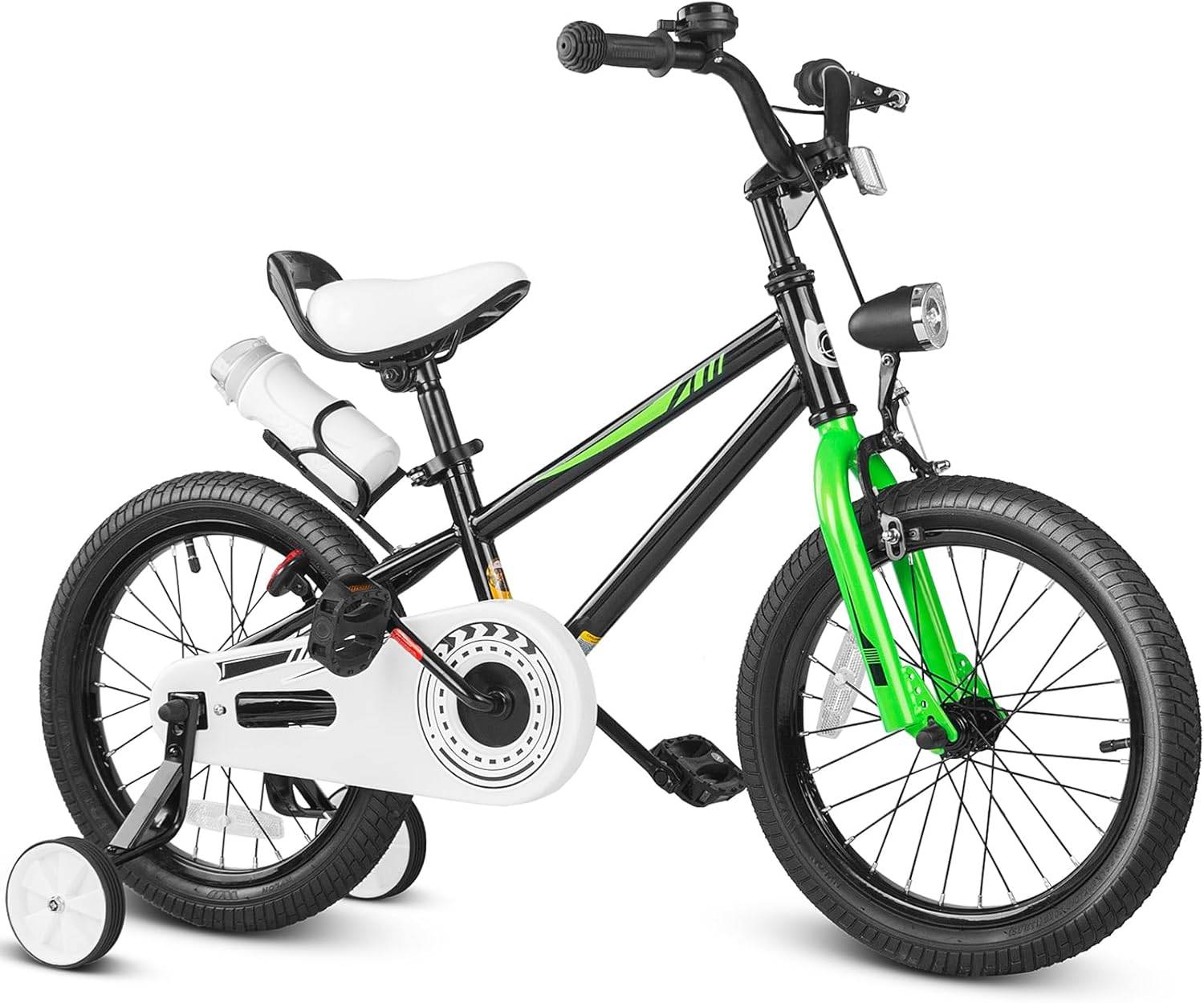
Check the delivered assembly rather than bending the cover
Use the actual model’s guard drawings and permitted inspection procedure. A cover that appears close to a crank may be incorrectly positioned, damaged or simply being blamed for another problem. Do not bend it outward, trim plastic, add washers or loosen shared hardware to make space by eye. If attachment points are unclear, send accessible photographs and the full product identity to support or arrange an assessment.
Keep clothing protection separate from the noise question
Removing the chain guard may stop a noise while leaving the bicycle incomplete. Preserve the required protection and resolve its correct fit instead. Secure trouser legs and laces for any later ride, but do not treat neat clothing as permission to discard a supplied guard. If a replacement is needed, establish approval for the exact frame and drivetrain rather than ordering by wheel diameter or selecting a cover that looks similar online.
Resume only after the whole affected assembly is checked
A competent person should confirm correct retention, clearances and drivetrain condition through the manufacturer’s procedure, then complete the prescribed readiness inspection. A quiet crank movement alone cannot verify a loose fitting or a damaged chain. Keep the observation record so a recurring noise can be described accurately. If contact returns, stop again instead of assuming a previous adjustment proves the current condition is acceptable.
Model details relevant to this task
The Black XJD Boys’ Pedal Bike explicitly lists a chain guard, hand and foot braking, and removable training wheels. Its actual size choices are 12, 14 and 16 inches. That identifies a relevant guarded learning bicycle without supplying guard clearance, fastening torque or compatibility for a replacement cover. The linked model details are available for XJD Black Boys' Pedal Bike with Chain Guard and Training Wheels.
Quick checklist
- Pause riding after unexplained rubbing.
- Describe the existing sound and location.
- Use the actual guard instructions.
- Preserve required clothing protection.
- Have retention and clearances verified.
Common questions
Can the guard be removed to stop the rubbing?
Do not solve interference by discarding required protection; establish the correct assembly and cause.
Is the chain definitely responsible for the noise?
No. Visible proximity does not establish which component is touching or why.
Will any guard for the same wheel size fit?
No compatibility is established by wheel size alone. Obtain the approved model-specific part.
Related collections
The XJD product catalog and XJD learning bicycle background provide further model details. Check the exact selected configuration when planning fit, handling and care.
Before the next outing
Resolve kids bike chain guard rubbing through an accurate observation and a correctly retained protective assembly. Keep the guard’s role intact while the cause is assessed, then verify the complete bicycle before the child returns to riding.