


Bicycle Tire Valve Types: Identify the Valve Before Choosing a Pump
Bicycle tire valve types matter when a pump head will not fit or a replacement tube is being considered. Begin by inspecting the actual wheel, with the bicycle stationary and supported appropriately. A 20-inch BMX title or 24-inch cruiser label does not identify the valve. Match the equipment in front of you before buying an adaptor, forcing a connector or assuming that every bicycle in the household uses the same arrangement.
Recognize bicycle tire valve types without forcing the tip
A Schrader valve has a wider stem with a central valve pin; a Presta valve is narrower and commonly has a small threaded nut at the tip. Dunlop valves are another bicycle type, so an unfamiliar fitting should not be forced into either category. Follow the valve and pump instructions for identification. Keep a removed dust cap away from small children and do not use pliers to make an unfamiliar tip turn.
Read the pump head instructions before attaching it
Some pumps have separate labeled openings; others use a convertible or automatically adapting head. Establish which system yours uses and how its connection locks. A connector that appears to fit can still be attached incorrectly. Support the valve as instructed without bending it sideways. If the head will not engage normally, stop and verify compatibility rather than adding leverage or pressing harder against the wheel.
Keep valve compatibility separate from inflation pressure
A correct connector answers how the pump attaches, not how much air the tire requires. Use the actual tire, rim and bicycle guidance for compatible pressure limits and preparation. Do not transfer a number from another bicycle simply because it has the same wheel diameter. A tire that loses air repeatedly, a damaged valve or an uncertain bead position needs proper assessment; connecting a pump is not a repair for those problems.
Record the complete specification before replacing a tube
Ask a competent technician to confirm tire and tube sizing, valve type, suitable stem length and the rim’s requirements. Nominal wheel size alone leaves important details unresolved. Do not enlarge a rim hole or install a makeshift valve support to accommodate an unverified tube. Keep the original readable tire markings in the service notes so the next purchase begins with equipment identity rather than another guess at the pump shelf.
Model details relevant to this task
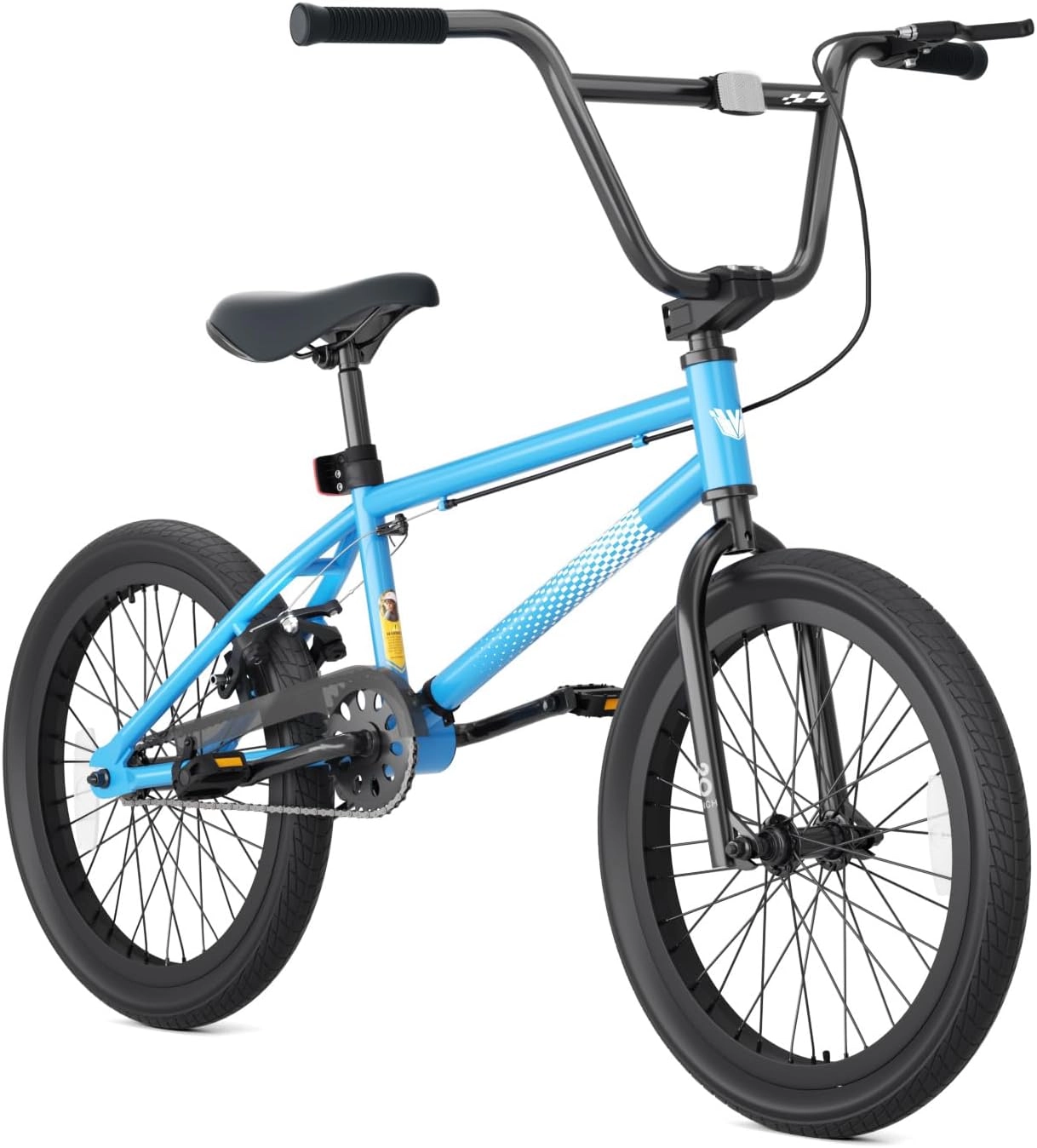
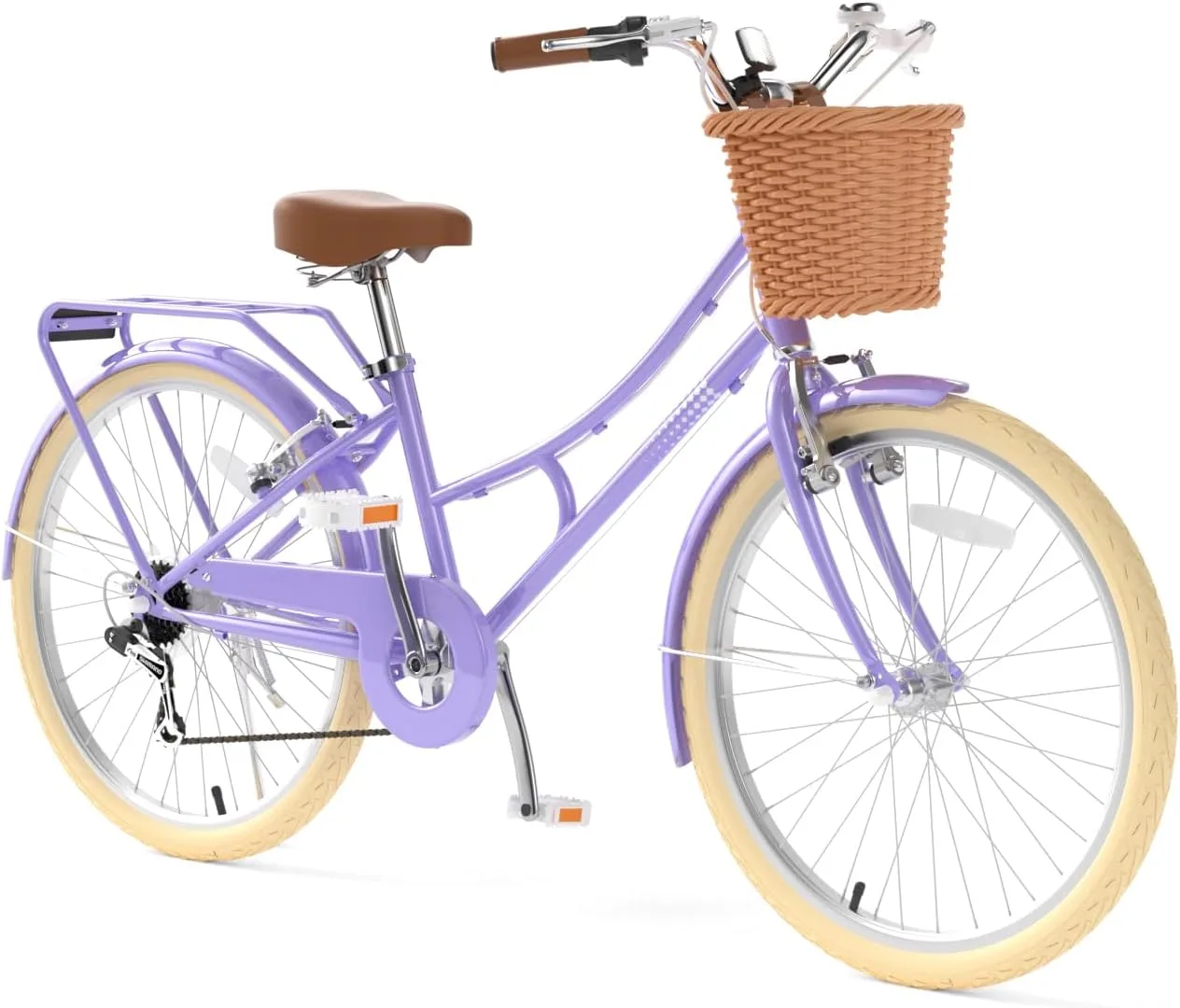
The Blue Basic XJD BMX records 20 by 2.4-inch tires; the Purple geared cruiser is identified as 24-inch. These are useful examples of tire and wheel information that does not, by itself, establish valve type or inflation pressure. Confirm the actual selected and delivered wheel before purchasing pumping equipment. The linked model details are available for XJD Blue 20-Inch Single-Speed BMX – Basic Model without Pegs, XJD Purple 24-Inch Cruiser with Shimano 6-Speed Gearing.
Quick checklist
- Identify the fitted valve.
- Read the pump head’s instructions.
- Keep pressure limits as a separate check.
- Record tire and tube details.
- Refer damaged valves for assessment.
Common questions
Does a 20-inch wheel always have a Schrader valve?
No. A wheel-size label does not establish the valve fitted to the actual wheel.
Can a tight pump head be forced onto the stem?
Stop and check its correct setup and compatibility instead of bending or forcing the valve.
Does a valve adaptor decide tire pressure?
No. An adaptor concerns the connection; the actual equipment’s inflation guidance still applies.
Related collections
The XJD product catalog and XJD bicycle brand reference provide further model details. Check the exact selected configuration when planning fit, handling and care.
Before the next outing
Identify bicycle tire valve types from the actual wheel and match the pump instructions to that fitting. Then check inflation and replacement requirements independently, so a convenient connector does not become an assumed tire specification.