


Bicycle Cable Housing vs Inner Cable: Name the Part Before Ordering
Bicycle cable housing vs inner cable is a distinction worth making before a parts enquiry. The housing is the outer casing that supports the route around bends; the inner cable is the wire moving within it. Calling both pieces a brake cable can leave a supplier uncertain about what is needed. Start with the affected control and a clear description of the actual assembly, without dismantling it just to obtain a name.
Separate the moving wire from its outer route
Look at an accessible section without pulling or unfastening anything. A visible metal wire and the surrounding covered casing are different components, even when a replacement package supplies them together. Stops, ferrules and adjusters may also sit along the route. Photograph the complete area and record where the problem appears. Do not assume a short visible wire proves that the rest of the route uses the same arrangement.
Identify braking and shifting as different systems
A bicycle can have cable-operated brakes, cable-operated gears, both or neither. Housing suitable for one task is not automatically suitable for another. Park Tool specifically distinguishes conventional brake housing from compressionless derailleur shift housing. Avoid a purchase based only on colour or apparent diameter. A useful request names the lever or shifter, the component at the other end and any available original part reference.
Keep the model and selected configuration attached
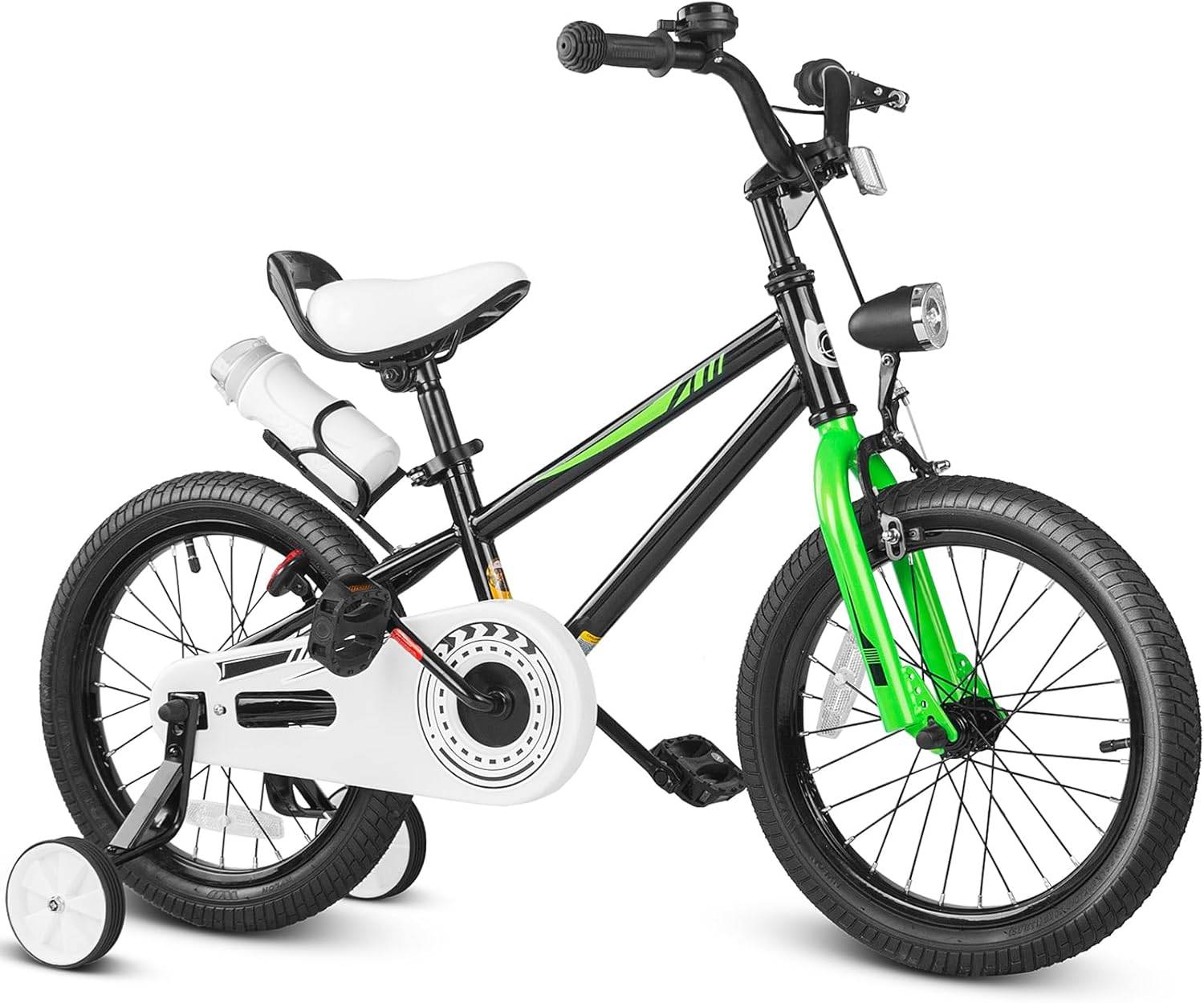
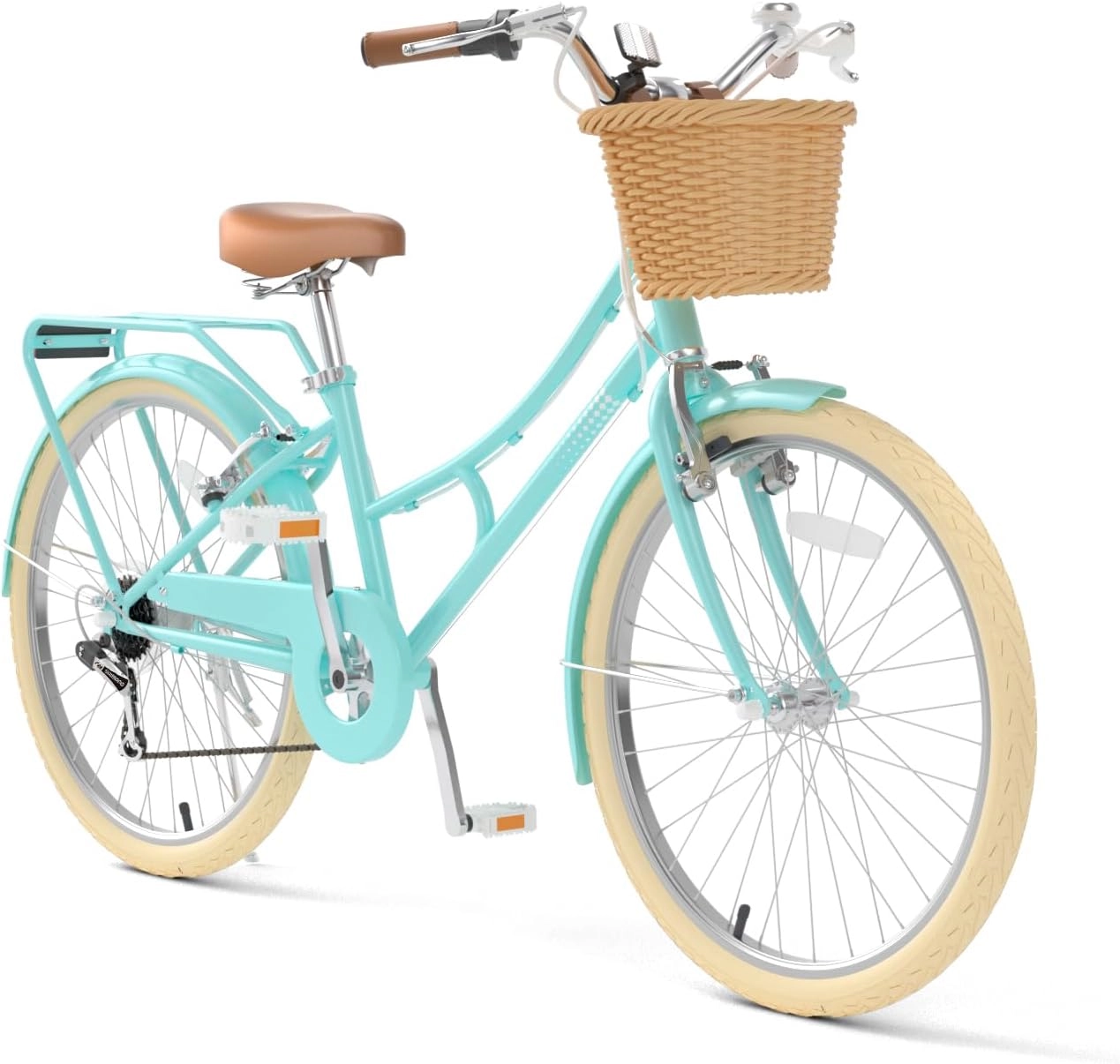
The Black XJD learning bicycle lists a hand brake alongside a foot brake; a single cable description would not explain the whole stopping arrangement. The Mint Green cruiser lists hand-operated V-brakes and several wheel-size choices. These examples help identify which control the enquiry concerns, but their general product descriptions do not supply universal cable ends, casing lengths or fitting instructions for every configuration.
Resolve replacement as a complete service task
A new inner wire is not a promise that old housing, end fittings and routing remain suitable. Equally, replacing an outer casing may require further parts and a completed brake or gear adjustment. Have the exact system assessed and obtain the applicable installation procedure. Frayed wire, damaged housing or unreliable braking is a reason to stop use and arrange service, not a reason to try an unconfirmed substitute.
Model details relevant to this task
Both linked XJD models provide real control layouts for a parts-identification discussion. The photographs show overall bicycles rather than internal cable construction. No cut length, wire diameter, cable-end standard or interchangeable replacement has been inferred from those images. The linked model details are available for XJD Black Boys' Pedal Bike with Chain Guard and Training Wheels, XJD Mint Green City Cruiser with Basket and Rear Rack.
Quick checklist
- Name the affected control.
- Separate wire from outer casing.
- Record original fittings and route.
- Confirm the complete service procedure.
FAQ
Are inner wire and housing always sold together?
Packages vary. Verify exactly what the identified replacement includes.
Can shift housing be used for a brake?
Do not substitute it by appearance. Obtain housing approved for the actual brake system.
Does a new wire complete a brake repair?
No. The remaining components, installation, adjustment and completed brake checks still need assessment.
Related collections
The XJD bicycle configurations and smaller wheel model choices provide further model details. Check the exact selected configuration when planning fit, handling and care.
Before the next outing
Clear part names improve a service enquiry. Identify the whole control system first, then confirm the exact wire, housing and fittings required for that bicycle.