


Transition Bottlerocket maintenance: Cable Rub, Bearings and Hardware
Transition Bottlerocket maintenance on an older bicycle begins with understanding which manual applies and what work the bicycle actually needs. The early V2 owner’s manual gives unusually specific attention to cable contact, bearing care and different hardware locations. Those details can structure a service discussion without turning a historical manual into universal instructions for every Bottlerocket.
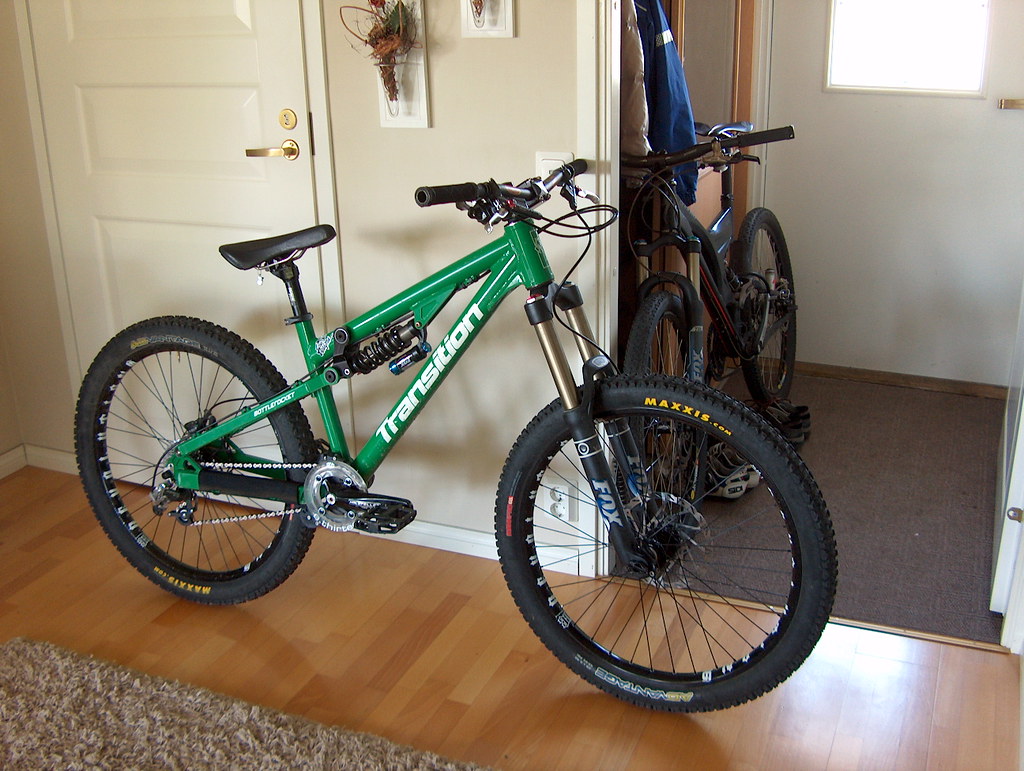
Cable contact deserves its own inspection
Transition’s V2 owner’s manual warns about cable rub and recommends protective covering where cables approach the frame. It also describes a particular routing beneath the top tube, between the tube and rocker, while requiring a check for cable binding.
Use that information to ask a focused question about the bicycle in front of you: does its installed routing correspond to the applicable manual, and where does contact occur? Photograph existing rub points before moving anything. This preserves evidence of the original arrangement and makes later inspection more meaningful.
Bearing care in Transition Bottlerocket maintenance
The manual calls for regular bearing-function checks and warns against directing pressurized water into bearing areas. It names dedicated installation and removal tools for replacement work. These details support a maintenance approach that includes the pivot system rather than treating cleaning and drivetrain attention as the entire service.
For a workshop visit, describe the symptom and when it occurs: for example, a noise noticed during suspension movement or play observed at a particular location. Avoid ordering bearings solely because a noise seems to come from the middle of the bicycle. The service assessment should identify the affected assembly first.
Keep hardware locations and frame preparation distinct
The early manual assigns different torque values to different fasteners rather than providing one setting for the whole frame. It also reserves operations such as headset facing and bottom bracket thread correction for a qualified mechanic. Use the applicable document at the workbench instead of transferring a remembered number from another bolt.
When planning a substantial service, separate ordinary inspection from disassembly and frame preparation. Ask the shop to identify which operations are required and which components need replacement. Keep its findings with the frame’s documentation so the next service starts with an actual record rather than another guess about previous work.
FAQ about maintaining an early Bottlerocket
Does this manual apply to the photographed bicycle?
The photograph’s frame version is unconfirmed. It shows a historical Bottlerocket; verify the actual frame before using V2 instructions.
Can I apply one torque value to every pivot and shock bolt?
No. The cited manual distinguishes hardware locations. Use the correct version-specific instructions for each assembly.
Should a replacement bearing be selected from the bicycle’s age alone?
No. Identify the frame and affected bearing location, then establish the correct replacement through the applicable documentation or manufacturer.
Effective Transition Bottlerocket maintenance combines a matching manual with a record of observed condition and completed work. The legacy frame reference helps establish the project’s identity, and the Transition page provides the wider reading collection.