


Santa Cruz Blur Fork Compatibility: Travel Limits Depend on the Platform
Santa Cruz Blur fork compatibility is a platform question before it becomes a shopping choice. The family name does not provide one approved travel range. A fork that falls within the published range for a Blur LT can exceed the limit of a contemporary Blur XC, despite both bicycles sharing the Blur name.
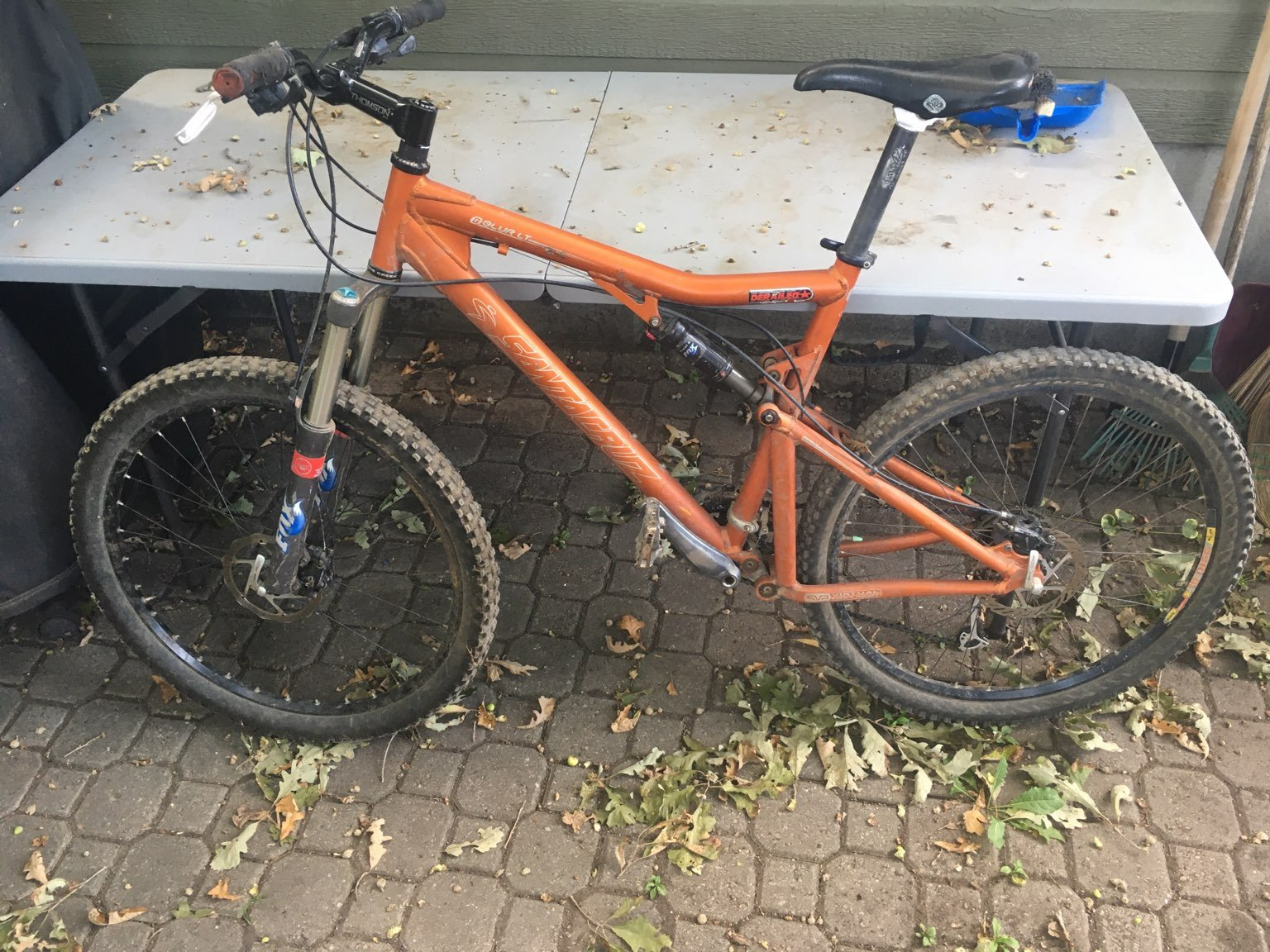
Read Santa Cruz Blur fork compatibility from the right row
The manufacturer’s 2005–2007 LT1 record lists compatible forks from 130mm to 160mm and explicitly names 160mm as the maximum. The 2005–2008 XC1 record instead lists 80mm to 100mm with a 100mm maximum. That is a large difference between two historical platforms, not a menu of options for every Blur.
For another generation, the 2018–2021 Blur 3 page lists 100–120mm fork compatibility. Its 100mm rear travel is a different specification. Front and rear travel are measured at different ends of the bicycle and should not be substituted for each other when reading the support table.
Check the complete interface, not just the travel label
Matching travel does not establish steerer or wheel compatibility. Have the frame’s headset arrangement, the fork steerer and the front wheel’s attachment system checked as one assembly. An older wheel may not attach to a replacement fork even when the proposed suspension travel appears suitable.
Keep the actual installed fork’s instructions with the frame record. Settings and service procedures belong to that fork model, while the frame’s compatibility limits remain the chassis manufacturer’s decision. A previous owner’s installation is evidence of what was fitted, not proof that the combination was approved.
Choose a replacement around the riding problem
Explain whether the existing fork is worn, damaged, difficult to service or simply uncomfortable. Resolving the actual problem can be more useful than choosing the longest number inside a table. Include the present ride position and terrain in the discussion with a competent workshop.
Do not apply an informal “add a little travel” rule across all Blur generations. Start with the identified frame’s stated range and obtain confirmation for the complete proposed fork. The historical photograph is not an installation example or an approval for changing the travel of another bicycle.
Santa Cruz Blur fork compatibility FAQ
Does 135mm rear travel prescribe a 135mm fork?
No. Read the separate compatible-fork entry for the identified frame.
Can an XC1 use the LT1’s listed maximum because both are Blurs?
No. The cited XC1 record explicitly specifies a much lower front-travel maximum.
Does matching travel prove the wheel and steerer will fit?
No. Their interfaces need a separate compatibility check before installation.
Use Santa Cruz Blur fork compatibility to establish a firm boundary, then assess the actual fork, wheel and headset together. The right replacement answers a riding need within the correct platform’s limits.
For the separate steering-interface question, compare Santa Cruz Blur headset standards before choosing a fork. Further references are grouped in the Santa Cruz bicycle collection.
Technical references: LT1 record; XC1 record; Blur3 record.