


Niner RDO Carbon Fiber: What the Internal-Mould Process Describes
Niner RDO carbon fiber means Race Day Optimized in the manufacturer’s terminology. The useful question is what Niner says it does during design and curing, rather than whether those three letters supply a universal carbon-fibre grade. Its technology page describes a manufacturing approach with internal tooling and compaction as central details.
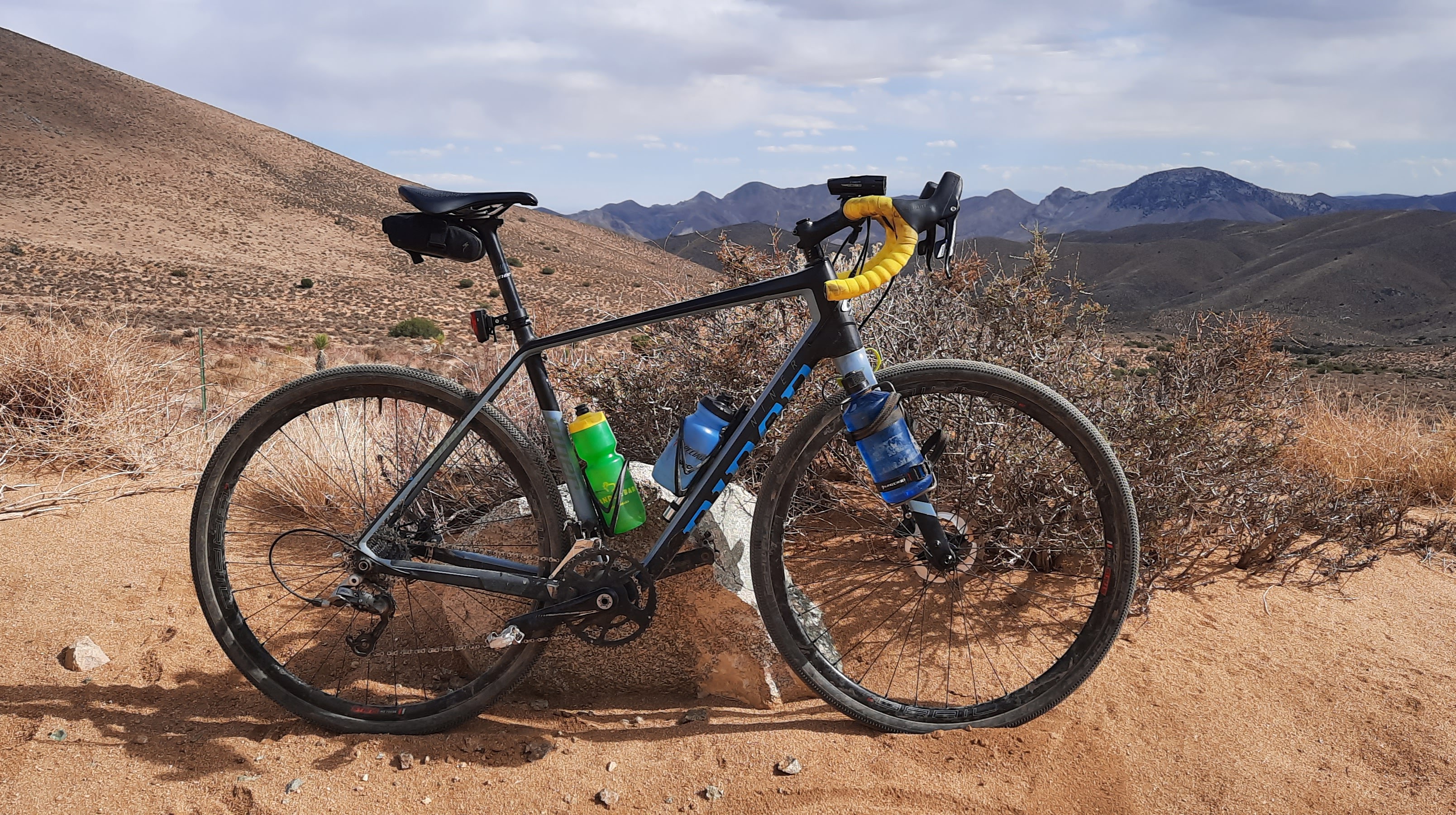
Read the Niner RDO carbon fiber process description
Niner says its curing process uses rigid internal moulds in addition to external moulds. It connects that arrangement with tighter, more consistent compaction of the carbon layers, more precise wall thickness and reduced pooling of resin in the finished structure.
These are the manufacturer’s explanations of its process and intended benefits. They do not provide this article with independently measured weight savings, a comparative stiffness ranking or a guarantee that every RDO component has identical construction. Keep the scope of the claim attached to the source.
Shape, layup and tooling describe different decisions
The page describes beginning with computer modelling, load paths and target strength and stiffness parameters. It says the team develops structural shapes before relying on extra carbon layers to reinforce an otherwise unsuitable form. External shape is therefore part of the stated design process, rather than decoration applied after a material choice.
Niner separately describes full-scale SLA prototypes for component fit and tolerance checks, followed by physical samples and strength testing before ride evaluation. A prototype used to check fit and an actual carbon structure used in a destructive test serve different purposes. Neither is the rigid internal curing tool itself.
Use the label to ask a more precise product question
When comparing an identified RDO frame or fork, read its own specification for dimensions, interfaces and intended application. The technology page explains how Niner describes making carbon products; it does not resolve whether a particular fork, drivetrain or rack fits a particular frame.
Likewise, do not infer a published complete-bike weight, a fibre supplier, a manufacturing country or a quantified comfort improvement from the three-letter badge. Those questions need their own product evidence. A useful comparison keeps the documented process, the actual component and the complete bicycle’s purpose as separate pieces of information.
FAQ
What do the RDO initials stand for?
Niner expands them as Race Day Optimized.
Does the page describe only an external mould?
No. It specifically describes rigid internal moulds used alongside external moulds during curing.
Does RDO provide a universal carbon grade?
The source presents a Niner process and design label. It does not supply an interchangeable material-grade specification or independent product ranking.
Read the process claims accurately, then return to the identified bicycle’s actual fit and equipment requirements. The Niner topic and brand introduction provide the wider bicycle context.
Primary references: official reference 1 (https://www.ninerbikes.com/pages/rdo-carbon-fiber)
Photograph credits and permissions
Photograph 1
Original title: Niner RLT 9 RDO in the desert
Creator: Inklein; creator URI: https://commons.wikimedia.org/wiki/User:Inklein
Original source URI: https://commons.wikimedia.org/wiki/File:Niner_RLT_9_RDO_in_the_desert.jpg
License / permission: CC BY-SA 4.0
License / permission URI: https://creativecommons.org/licenses/by-sa/4.0/
Modification notice: Original JPEG bytes unchanged.