


Merida Silex 400 vs Big Nine 20-D gearing: compare the archived ratios
Merida Silex 400 vs Big Nine 20-D gearing is a more precise question than whether a gravel bike or a hardtail has more gears. The selected archived builds use different chainring and cassette combinations. Simple arithmetic makes those original endpoints comparable, provided the result is kept separate from wheel size, present equipment and a rider's experience on a hill.
Calculate Merida Silex 400 vs Big Nine 20-D gearing
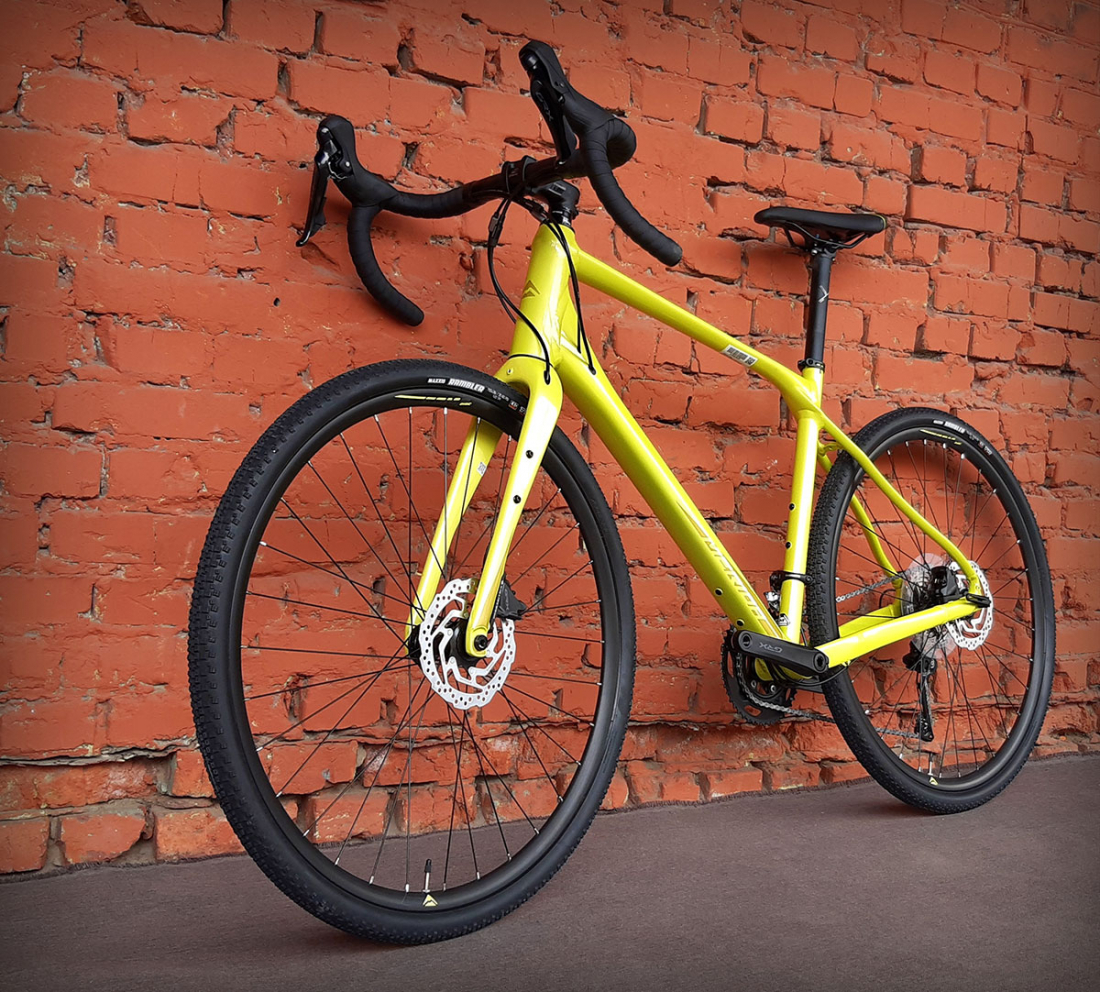
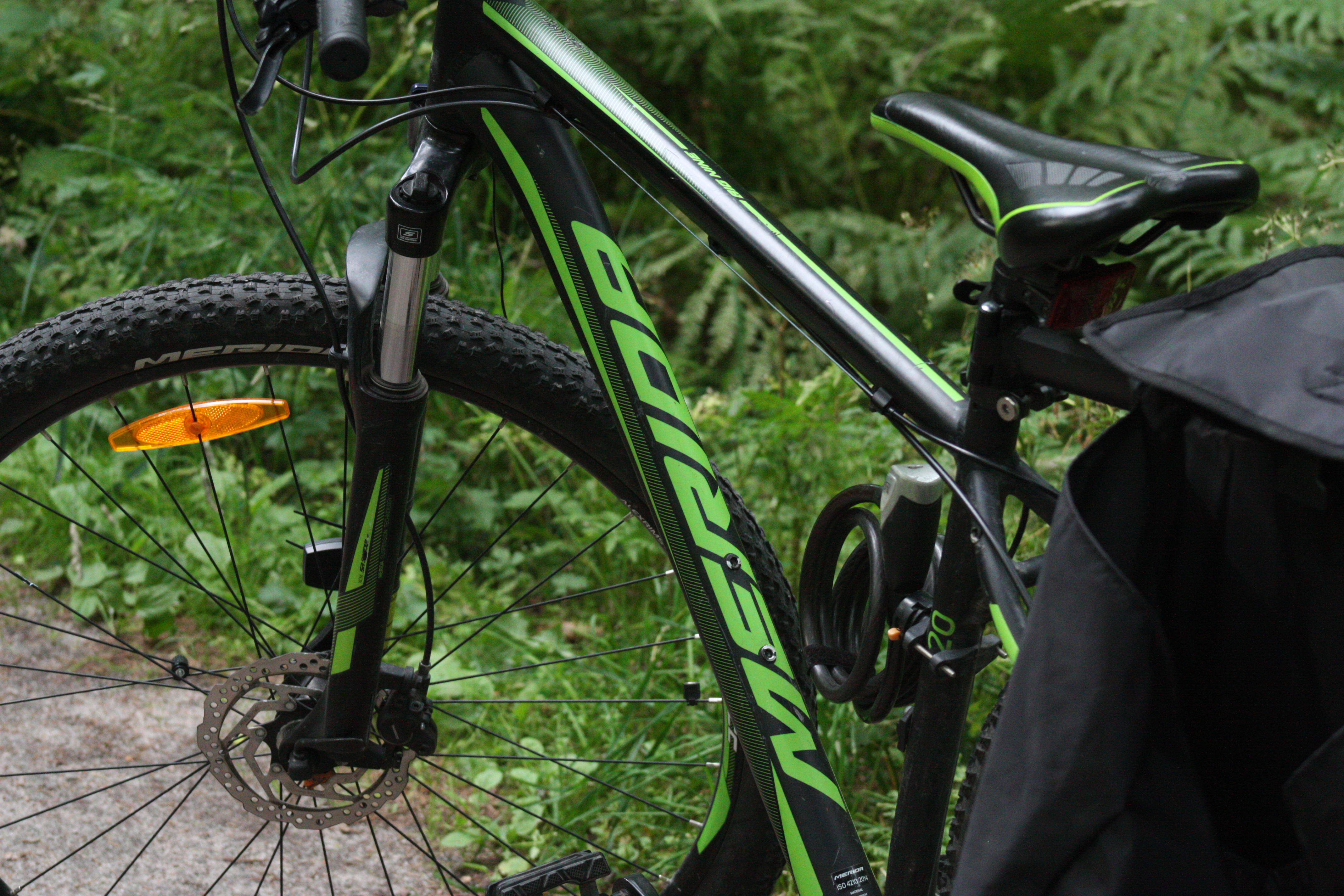
Merida's selected Silex 400 archive lists 46–30 chainrings and an eleven-to-36-tooth ten-speed cassette. The selected Big Nine 20-D entry gives 42–34–24 chainrings and an eleven-to-32-tooth eight-speed cassette. These are the original figures used below. Confirm the fitted tooth counts before applying the calculation to either used bicycle.
Divide front chainring teeth by rear sprocket teeth for a simple mechanical ratio. The Silex's lowest listed combination is 30 divided by 36, approximately 0.83. The Big Nine's is 24 divided by 32, or 0.75. The lower Big Nine number means fewer wheel revolutions per crank revolution in that particular combination; it is not a measured statement about effort or climbing speed.
Compare the upper endpoint as well
At the other end, the Silex gives 46 divided by 11, approximately 4.18, while the Big Nine gives 42 divided by 11, approximately 3.82. Dividing each high endpoint by its low endpoint produces spans of about 5.02 and 5.09 respectively. Rounded this way, the overall ratio spans are similar even though their endpoints and chainring layouts differ.
That calculation does not describe every intermediate step. Twenty or twenty-four nominal combinations are not twenty or twenty-four evenly spaced ratios, nor does gear count multiply a bicycle's speed. An owner interested in cadence changes should compare the actual sprocket sequence and usable combinations separately. Do not infer that information from only the largest and smallest numbers.
Use the calculation within a complete comparison
Wheel and tyre dimensions affect distance travelled per wheel revolution, so the simple ratios alone do not establish rollout. Rider load, terrain, condition and many other factors affect the experience of climbing. The arithmetic helps describe the documented drivetrain; it cannot decide which bicycle suits a person or promise that a particular gradient will be manageable.
The photographs record historical Silex 400 and Big Nine 20-D examples in 2021 and 2020 respectively. Their dates do not verify model years or the blue archived colourways, and the Big Nine view does not show its complete drivetrain. Read actual chainring and cassette markings, then have any proposed changes assessed as a complete compatible system. This comparison approves no cassette, crank or derailleur conversion.
FAQ
Which selected archive has the lower simple bottom ratio?
The Big Nine 20-D example gives 0.75, compared with approximately 0.83 for the Silex 400.
Does the triple chainset guarantee a wider ratio span?
No. Calculate both endpoints; these selected builds have similar overall spans despite different layouts.
Can these ratios predict my climbing speed?
No. They describe crank-to-wheel rotation relationships, not wheel rollout, rider effort or measured performance.
Continue with the Silex component-by-component identification reference or browse the Merida topic.
Sources: Merida archived Silex 400 specification; Merida archived Big Nine 20-D specification.