


Cannondale CAAD10 vs Synapse: Compare Historical Road-Bike Priorities
Cannondale CAAD10 vs Synapse searches often turn into an alloy-versus-carbon debate. For historical examples, the more useful comparison starts with the intended riding position and the trips you want to make. Material is one part of the design, while fit, installed equipment and condition determine much of the ownership decision.
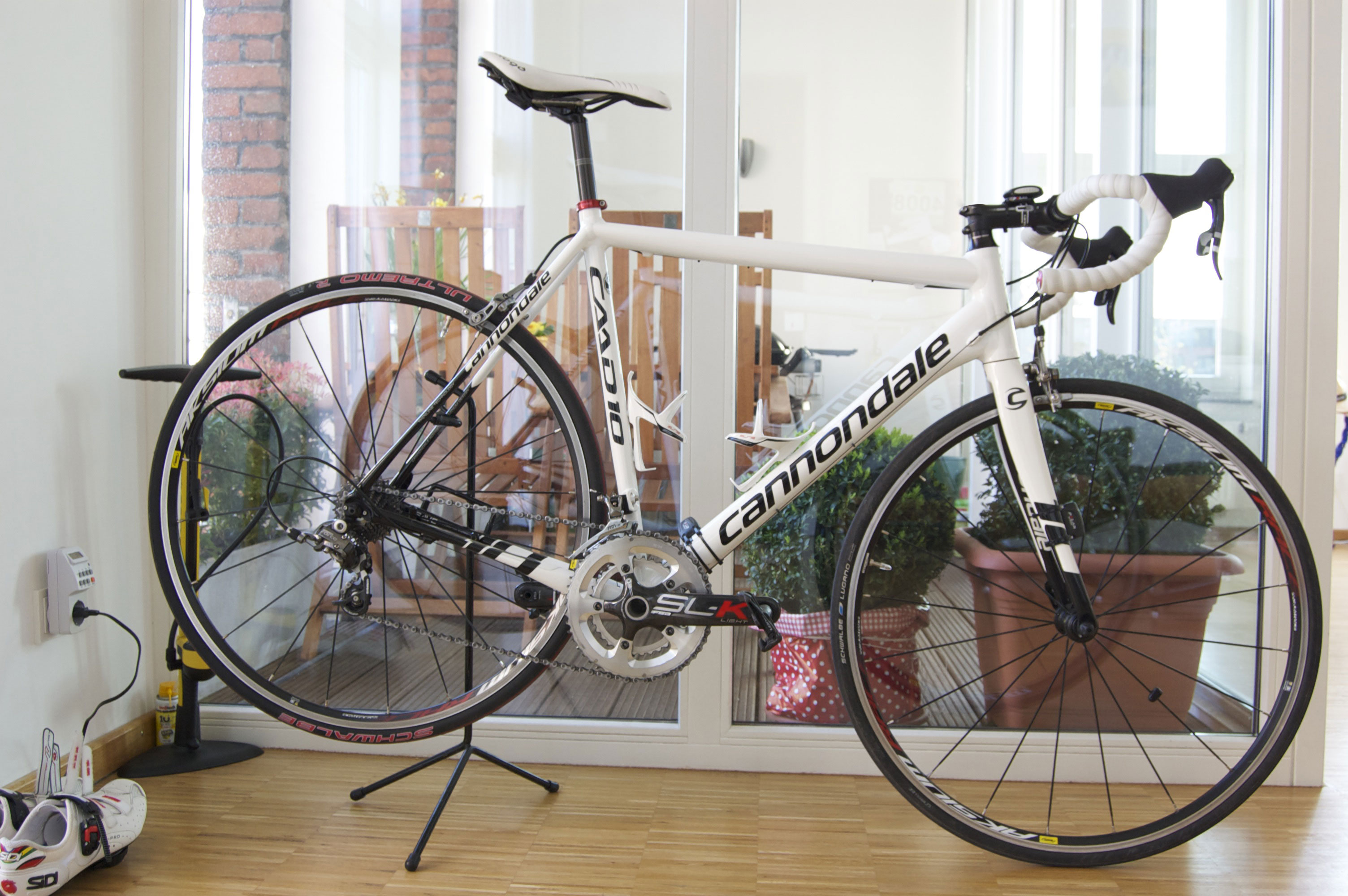
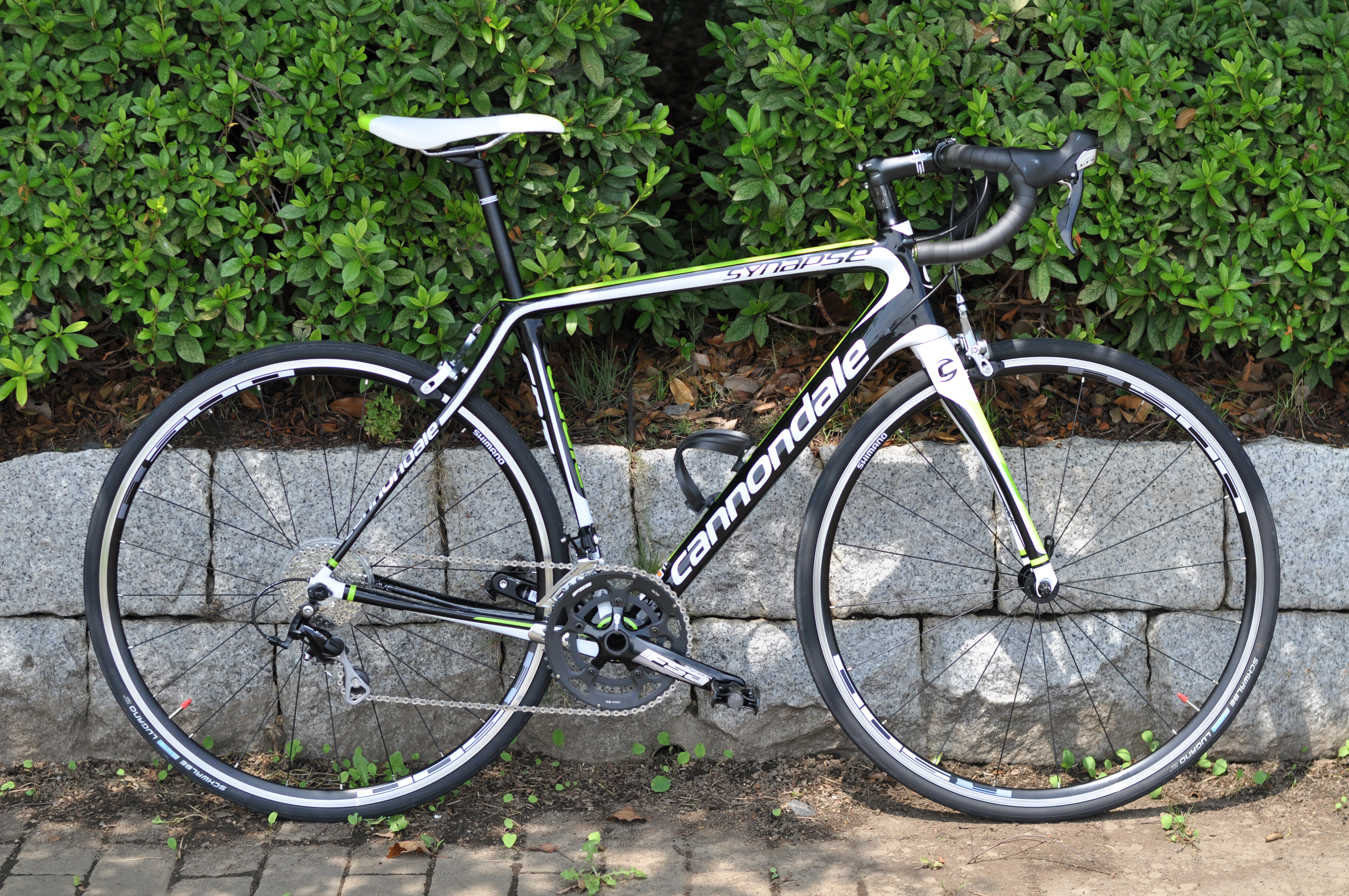
What the Cannondale CAAD10 vs Synapse catalogue comparison shows
The 2011 Cannondale catalogue places the CAAD10 within its Elite Road range and discusses race-oriented handling. The 2014 road catalogue presents the Synapse through its Endurance Race Geometry concept, intended to combine a sporting position with long-ride comfort. These are descriptions of design priorities, not results from a head-to-head test.
The photographs show a source-identified 2011 CAAD10 and a 2014 Synapse Carbon 6 105. They provide historical context only. Their different dates and unconfirmed replacement histories mean they should not be treated as two controlled, factory-identical test samples.
Translate the labels into fitting questions
Describe your normal distance, surfaces and preferred position before comparing a seller's frame-size label. Ask a fitter to examine the actual reach to the controls, mounting clearance and adjustment range. A race label does not tell you that a bicycle will feel uncomfortable, and an endurance label does not guarantee comfort.
For the Synapse generation, the manufacturer's supplement includes stack and reach measurements. Use the correct size and version when discussing position rather than transferring a familiar size number from another frame. The installed stem, bars and saddle arrangement also belong in that conversation.
Compare the work needed for regular riding
Have each actual bicycle assessed for condition and service needs. An apparently attractive historical build may need tyres, drivetrain attention or component identification before regular use. Make a list of unresolved items so that the original catalogue status does not overshadow what the offered bicycle needs now.
The 2014 Synapse catalogue describes its seatpost and seat tube as a comfort system. That explains why its interface deserves attention, but it does not approve a random replacement post. Likewise, the CAAD10's alloy-frame description does not identify the material or compatibility of every fitted part.
Our Synapse geometry guide gives a concrete way to read the historical dimensions. Visit the Cannondale reference topic for the associated model checks.
Road-format FAQ
Is this a finding that one bike is faster?
No. It compares manufacturer design descriptions and ownership questions; no riding-speed test was performed.
Will the same nominal frame size fit identically?
Do not assume so. Compare the actual geometry and fitted components, then assess the rider's position.
Should frame material decide a used purchase alone?
No. Include fit, condition, intended use and the practical work needed before riding.
A useful Cannondale CAAD10 vs Synapse decision joins the documented design priorities to two specific bicycles and a rider's real requirements.
Manufacturer references: 2011 Cannondale CUSA catalogue; 2014 Cannondale road catalogue.