


BESV PSA1 Not Turning On: Safe Checks Before Dealer Service
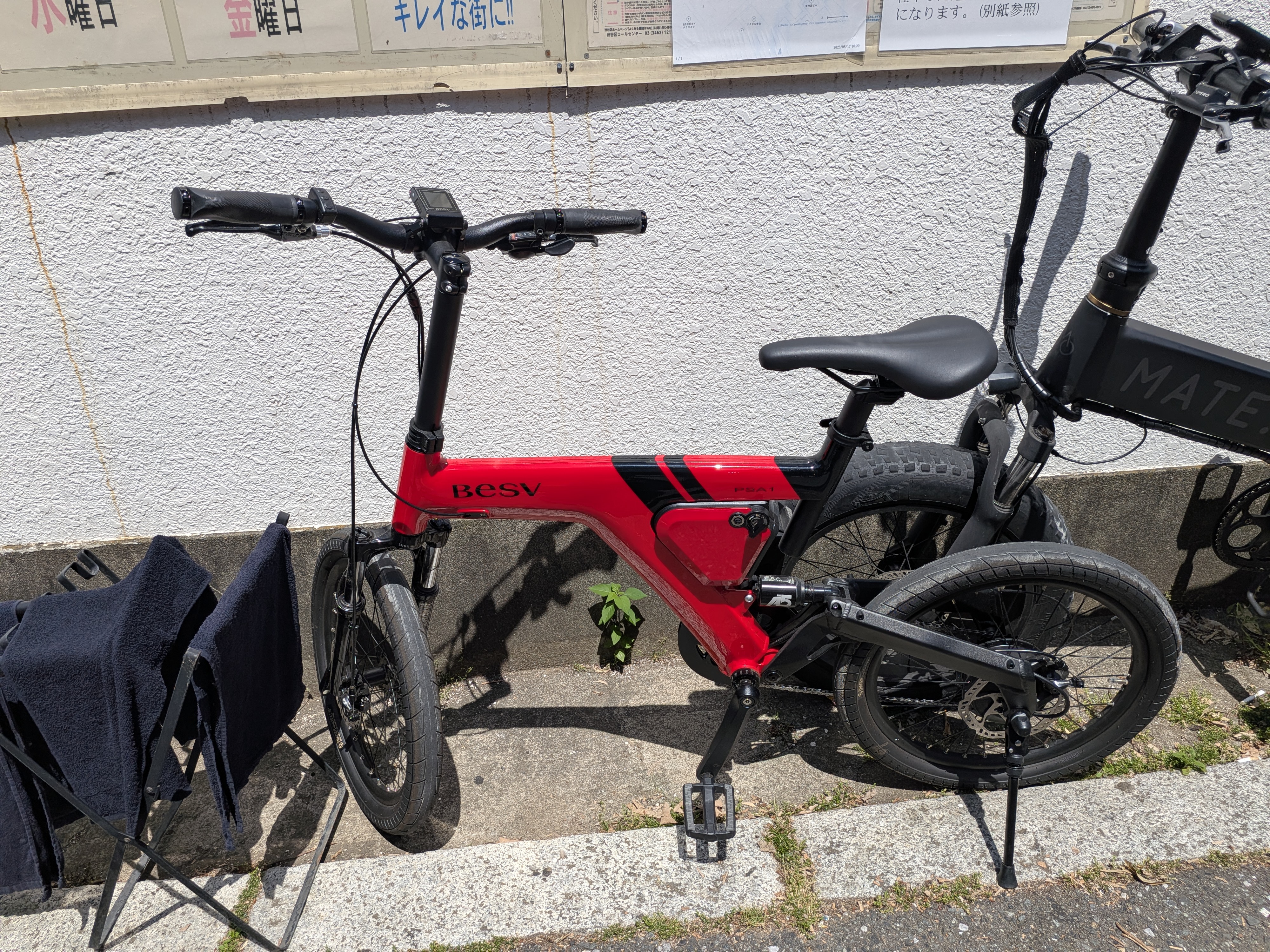
BESV PSA1 not turning on is a symptom, not a diagnosis. A low battery, incorrect seating or an instrument connection can produce superficially similar results. Start by documenting what the bicycle does, while keeping battery opening, wiring repair and repeated speculative adjustments out of the process.
Describe BESV PSA1 not turning on precisely
The troubleshooting tables on printed pages 48–49 of the official PSA1 handbook distinguish a system that does not start, a flashing screen and inconsistent assistance. These are different observations. Note whether the display remains completely dark, lights briefly, or works until pedalling begins.
Also note any recent storage, washing, transport or component replacement, without assuming it caused the fault. Tell the dealer which battery and display are fitted. The manual covers an older configuration, so a modern small HMI or replacement part may need its own matching service information.
Recall identification comes before startup experiments. If the fitted pack may be Japan-origin, including an imported or transferred replacement, have BESV or a dealer resolve its barcode against the regional battery recall guidance before charging or powering on. An affected pack must not be used to diagnose the bicycle, even when its casing looks normal; do not charge it as a safety precaution. Repeated startup attempts or charger swapping cannot resolve recall status.
Check only accessible, documented items
The manual identifies battery charge and correct installation as initial checks. Before handling the battery, use the procedure appropriate to the fitted hardware. Confirm that it is seated and locked securely; an unsecured battery is a riding hazard regardless of whether the screen starts. Do not force a resistant lock or connector.
The handbook also calls attention to external instrument and electrical connections. Look for an obviously displaced connection or damage, but do not open covers, bridge contacts or reconnect unfamiliar wiring experimentally. If a cable, plug or battery casing appears damaged, stop using the bicycle and arrange qualified inspection.
Know what the symptom cannot prove
A flashing display is referred to dealer inspection in the manual. Inconsistent assistance can involve several systems, including software, brake interference or tyre condition. None of those possibilities makes a firmware update, brake adjustment or battery purchase a justified first guess without diagnosis.
If normal external checks do not resolve the issue, preserve your observations and seek an authorized distributor. Ask the shop to identify the affected system and confirm component compatibility before authorizing replacement. Do not keep riding through unpredictable assistance or braking interference to gather more symptoms.
FAQ: Startup and assistance faults
Does a dark screen mean the battery must be replaced?
No. The manual lists more than one possible cause. Battery condition requires appropriate assessment; a display symptom alone does not establish capacity, internal damage or the correct replacement.
Should I try an online controller reset?
Not unless the exact manufacturer instructions for your hardware require it. This guide does not establish a reset sequence, wiring modification or software procedure for every PSA1 generation.
Where can I find normal display instructions?
The legacy PSA1 display guide covers documented menu use, with an explicit hardware-matching condition. It is separate from diagnosing a fault.
Find the broader BESV topic here, and use the exact manual supplied with your bicycle when arranging service.