


Single Speed vs Geared Bike: Choose for the Actual Riding Task
A single speed vs geared bike comparison becomes useful when it starts with the riding task. A simple drivetrain avoids a shifting task, while a geared setup offers selectable ratios that the rider must learn to use. Neither label decides frame fit, braking access or permitted terrain. Compare specific bicycles rather than assuming that more gears automatically create a better choice for every family.
Define the single speed vs geared bike purpose
Describe the regular route and the rider's current experience before inspecting the shifter. Is the task short level recreational riding or a use that benefits from different pedaling ratios? Confirm each model's intended-use guidance. A gear count does not establish hill-climbing performance, and a single-speed label should not be confused with a claim about fixed-gear operation.
Read the real equipment differences
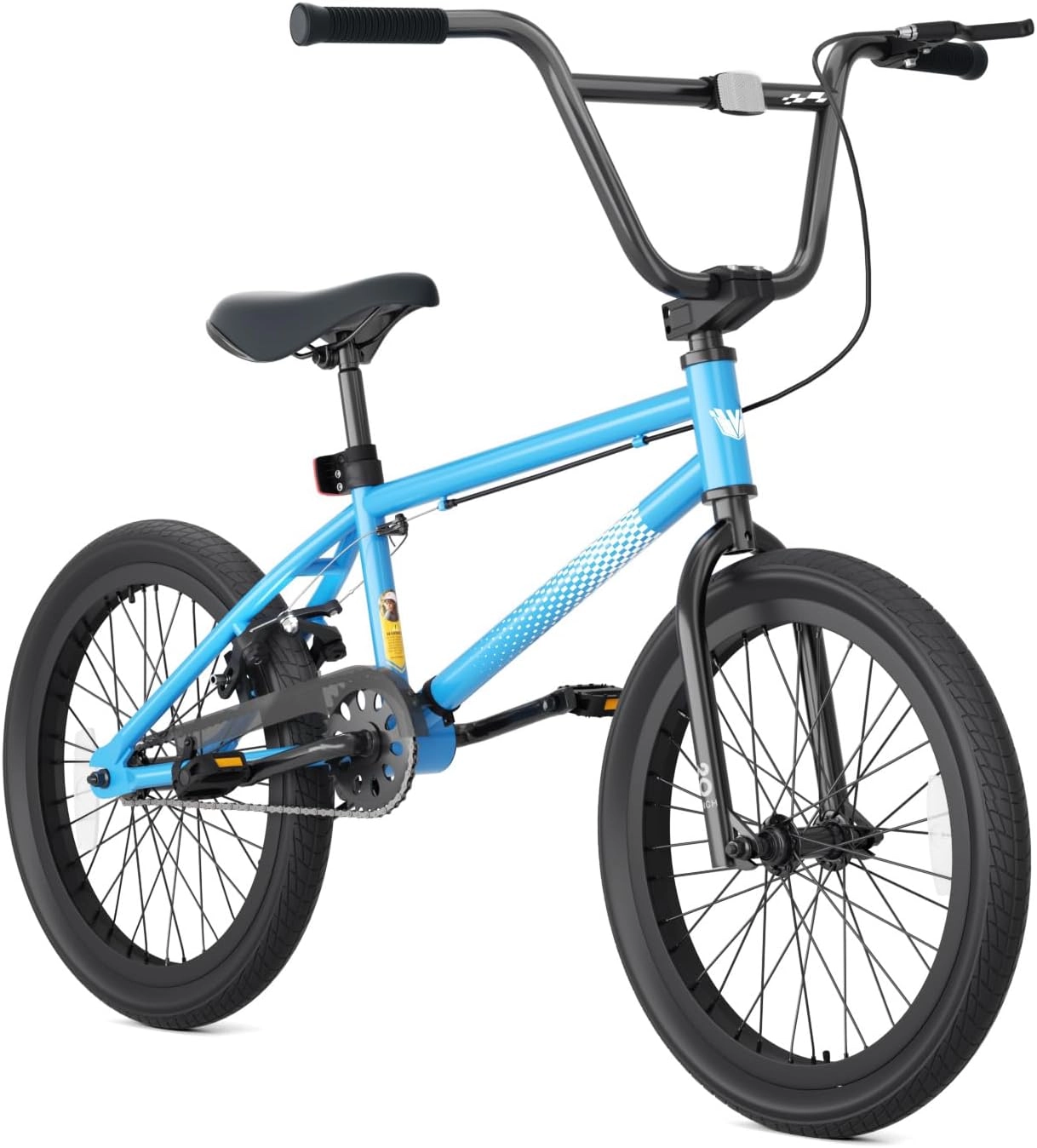
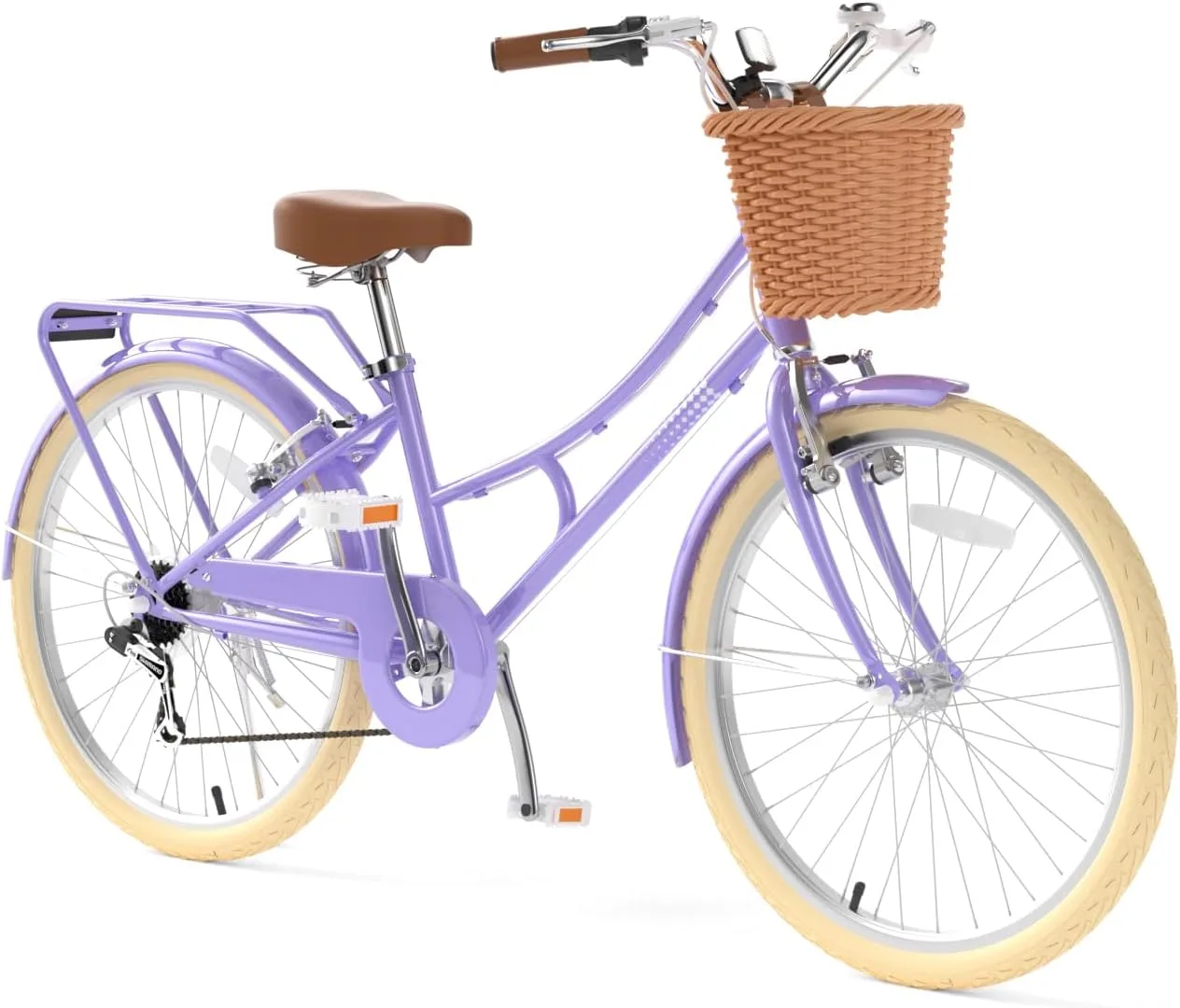
The Blue 20-inch Basic BMX example lists a single-speed drivetrain, U-brakes and no included pegs. The Purple 24-inch cruiser lists Shimano six-speed gearing, front and rear V-brakes and a rear rack. These are different sizes and layouts, not two otherwise identical test bicycles. Compare mounting, saddle range and normal control reach before choosing either equipment package.
Separate shifting practice from basic control
For a fitting geared candidate, have an adult identify the actual shifter and its instructions before the introduction. Learn which documented control changes the selected ratio without copying lever placement from another model. Keep starts, steering and reliable stopping manageable first. If the control arrangement is unfamiliar, use a short supervised task rather than adding a busy route and a loaded rack at the same time.
Keep maintenance and compatibility model-specific
Both bicycles still need the prescribed wheel, steering, drivetrain and brake checks. Different equipment requires its own compatible service; do not infer identical replacement parts from the shared XJD name. Avoid an improvised drivetrain conversion to resolve uncertainty about the purchase. Ask a competent mechanic or the seller for missing requirements, and select the complete bicycle that fits the intended use without unsupported weight or speed claims.
Configuration comparison
| Item | Blue Basic BMX | Purple geared cruiser |
|---|---|---|
| Wheel size | 20 inches | 24 inches |
| Drivetrain | Single speed | Shimano six-speed gearing |
| Listed brakes | U-brakes | Front and rear V-brakes |
Model details relevant to this task
The two linked pages supply genuine single-speed and six-speed examples, with their wheel sizes and brake types stated. Their distinction explains different control questions rather than declaring a universal winner. A rack on the cruiser and BMX styling on the smaller bicycle do not establish passenger or stunt permission. The linked model details are available for XJD Blue 20-Inch Single-Speed BMX – Basic Model without Pegs, XJD Purple 24-Inch Cruiser with Shimano 6-Speed Gearing.
Quick checklist
- Describe the normal riding task.
- Check fit before gear count.
- Identify the delivered controls.
- Introduce shifting separately.
- Use compatible model-specific care.
Common questions
Does six-speed mean six times faster?
No. Gear count is not a speed multiplier or a verified performance ranking.
Can these two examples be treated as the same frame with different gearing?
No. They have different wheel sizes, layouts and supplied equipment.
Related collections
The XJD drivetrain configuration pages and XJD Bikes range context provide further model details. Check the exact selected configuration when planning fit, handling and care.
Before the next outing
Choose between single speed vs geared bike options through a fitting frame and a clear riding purpose. Useful gearing supports an actual task; it does not replace manageable braking, correct assembly or appropriate supervision.