


Damaged Bicycle Chainring Teeth: Record the Problem Before Choosing Parts
Damaged bicycle chainring teeth deserve attention before another pedaling attempt. A broken-looking edge, bent section or newly noticed irregularity is a reason to stop and identify what is actually fitted. Do not put a finger between the chain and teeth to feel the problem. Keep the bicycle stationary and separate a visible condition question from the temptation to order a ring with the same number printed on it.
Locate damaged bicycle chainring teeth without moving the chain by hand
The chainring is at the front of the drivetrain beside the cranks, while the rear sprocket is a different part. Describe which one concerns you and photograph the accessible area with the bicycle securely supported. Keep hands and loose clothing away from the chain path. Do not turn the pedals while another person is holding a tooth, and do not remove a required guard simply to obtain a more dramatic photograph for an online diagnosis.
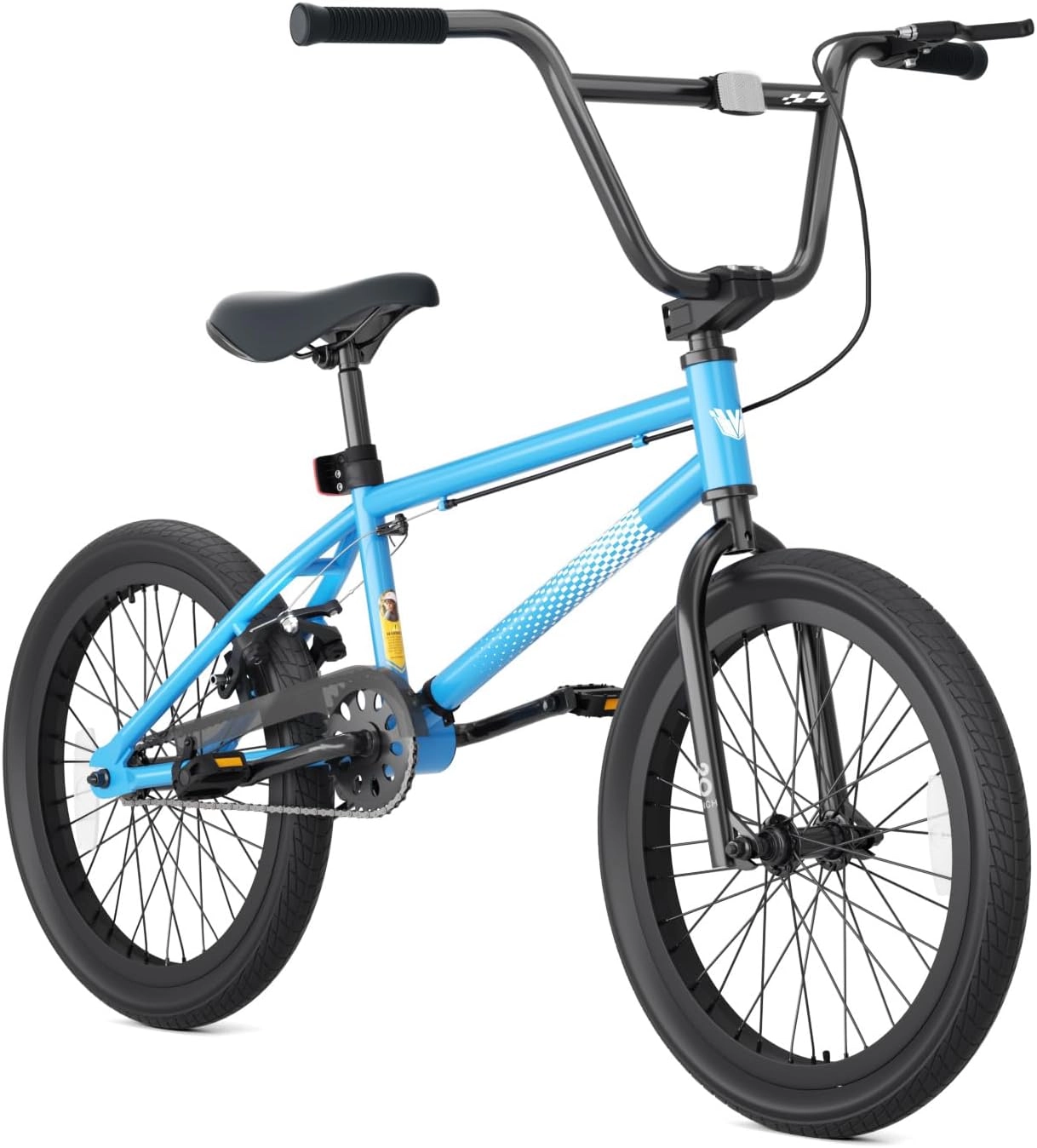
Compare with the actual component rather than an imagined perfect circle
A photograph can help a technician distinguish a design feature from damage, but it cannot settle every case. Record any known impact, change in chain behavior or newly visible defect without recreating it under a rider. Ask for model-specific comparison when a tooth looks different from its neighbors. Avoid declaring every unequal profile broken or treating an obviously fractured piece as normal merely because the bicycle can still turn its cranks while unloaded.
Keep replacement identity broader than tooth count
The number of teeth describes one feature of a chainring. It does not specify every mounting interface, chain requirement or complete crank arrangement. Shimano’s care guidance explains the working relationship between chain, chainring and rear sprockets; replacement decisions should consider the actual drivetrain together. Have a competent person identify the appropriate component and any related damage. This guide supplies no bolt pattern, chainline, material or installation torque for an unidentified replacement part.
Let service establish the return to use
Do not bend a tooth back with pliers, file a new shape or glue a missing section as an improvised repair. Keep the bicycle unavailable until the concern and correct remedy are resolved. After work, complete the actual attachment, chain and braking inspection required for that bicycle. Retain the fitted part identity and service record so future care starts from the real configuration. A fresh ring with an appealing tooth count is not a substitute for that complete finish.
Model details relevant to this task
The Blue 20-inch Basic XJD BMX listing identifies a single-speed drivetrain, a 36-tooth chainring and a 165 mm crank. These are distinct recorded specifications. The inspected photograph shows its chain-driven layout but cannot establish hidden wear, replacement mounting dimensions or another model’s parts compatibility. No damage is alleged in the pictured merchant example. The linked model details are available for XJD Blue 20-Inch Single-Speed BMX – Basic Model without Pegs.
Quick checklist
- Identify front ring versus rear sprocket.
- Photograph only through suitable access.
- Record changes without recreating them.
- Confirm the complete replacement identity.
- Finish with competent service and inspection.
Common questions
Can the same tooth count guarantee a replacement fits?
No. The actual mounting and drivetrain requirements must also be identified.
Should fingers be used to check a tooth while pedaling?
No. Keep hands clear of the chain path and stop moving components before any permitted inspection.
Does easy unloaded rotation approve another ride?
No. It does not resolve a suspected damaged component or verify behavior under the rider’s load.
Related collections
The XJD actual drivetrain listings and XJD bicycle range background provide further model details. Check the exact selected configuration when planning fit, handling and care.
Before the next outing
Resolve damaged bicycle chainring teeth through clear observations, exact component identity and appropriate service. Keep replacement fit separate from tooth count, and let the completed drivetrain checks decide when the bicycle can return to ordinary use.