


Coaster Brake vs Hand Brake: Learn the Complete Stopping Setup
A coaster brake vs hand brake question is about operating the actual bicycle, not choosing a winning label in isolation. Backpedal braking and hand-operated levers ask for different movements, and some bicycles supply both. Identify the complete arrangement before teaching a stop. Comfortable reach, sound condition and an uncomplicated practice area matter alongside the mechanism, especially when a child is meeting pedals for the first time.
Identify the coaster brake vs hand brake difference
A coaster system applies its braking action through the prescribed backward pedal movement; a hand-operated system uses the fitted lever controls. Confirm the exact operation and lever arrangement through the bicycle's own instructions. Do not infer which hand controls which wheel from another model. Explaining the difference while stationary should come before expecting the rider to discover it during a moving turn.
Compare two real complete configurations
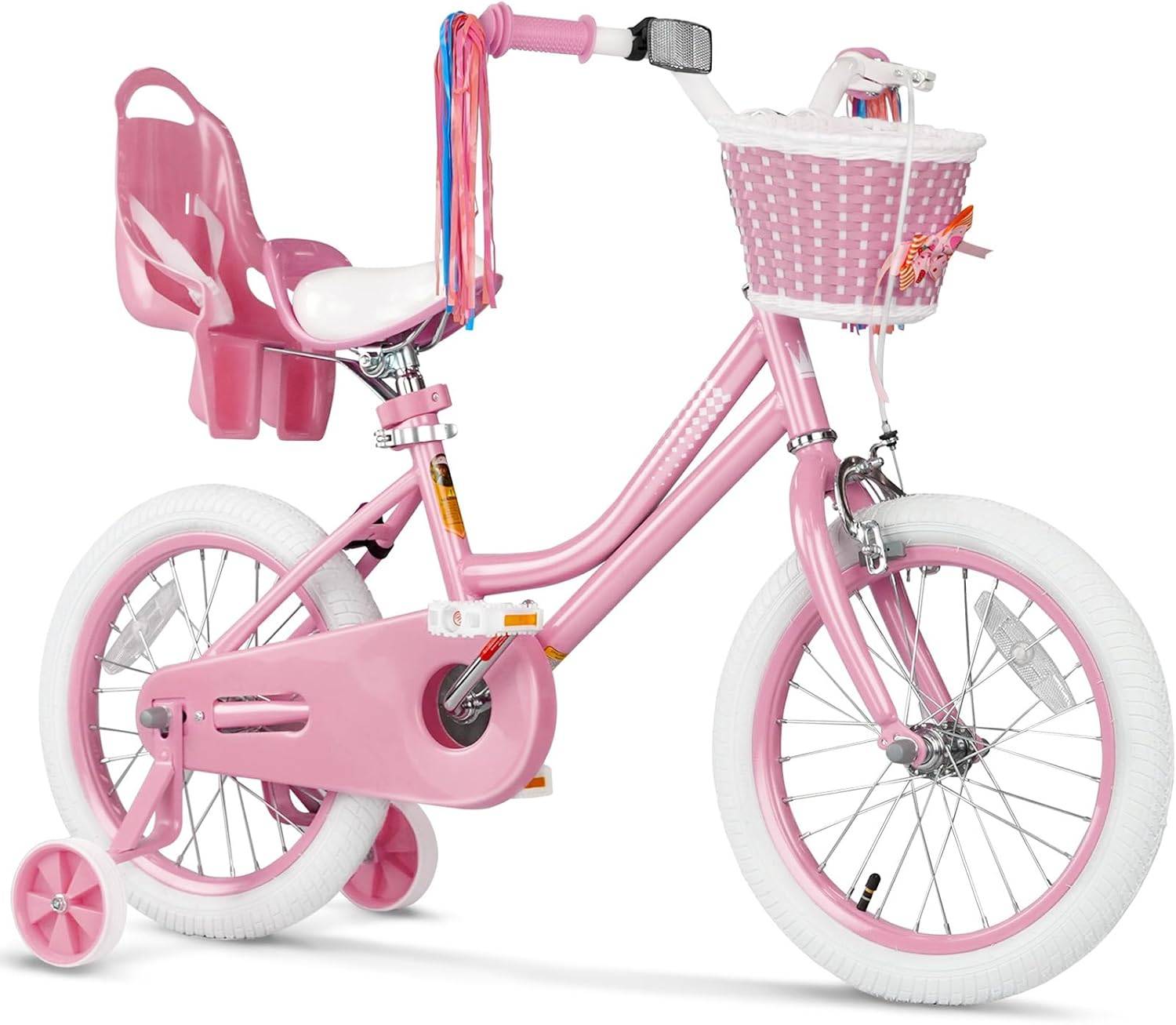
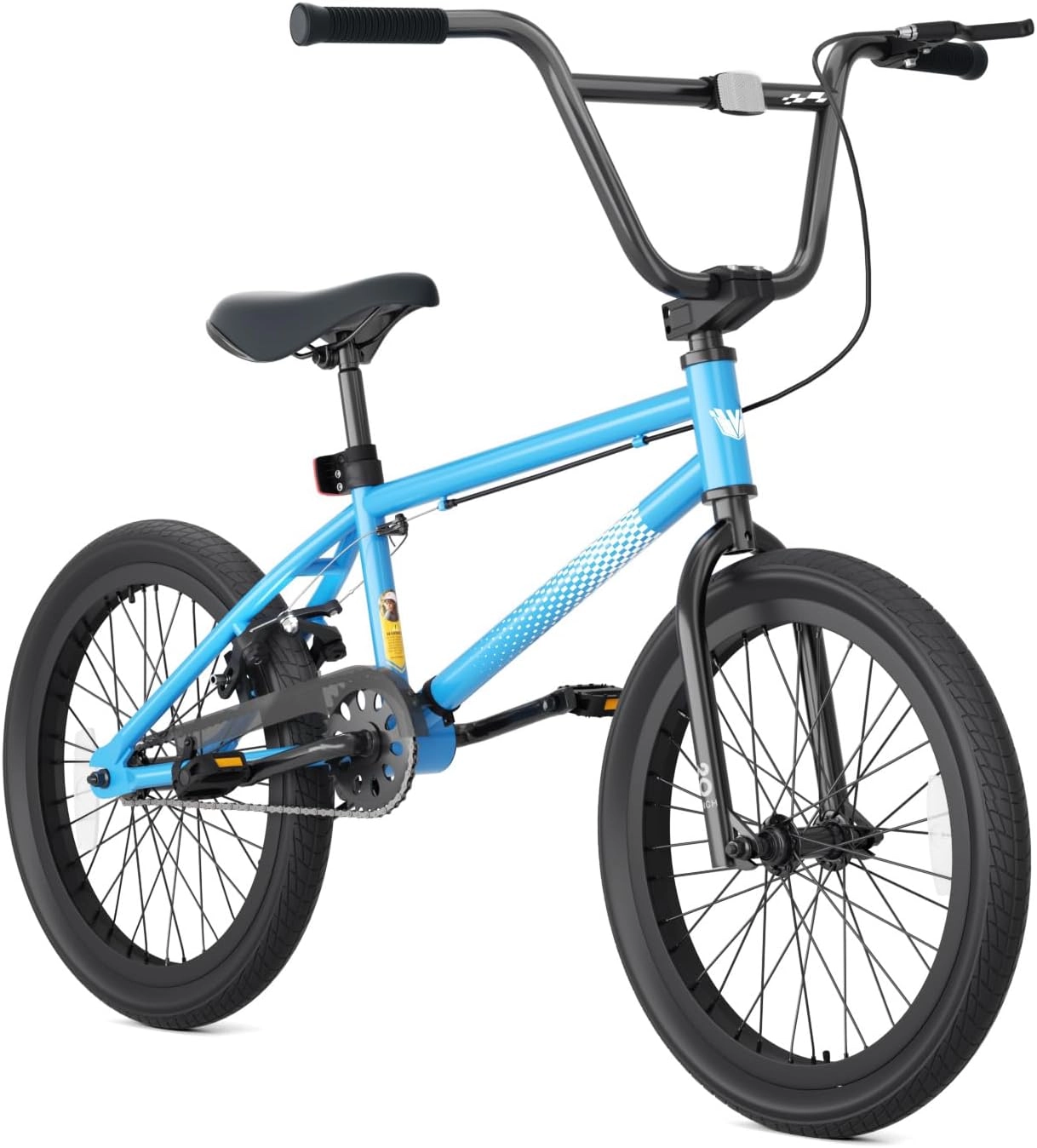
The Pink basket learning listing offers 12, 14 and 16-inch choices with a front caliper brake and rear coaster brake. The Blue 20-inch Basic BMX example lists U-brakes with hand-operated controls and no included pegs. These different sizes and layouts are not a matched brake-performance test. Do not select the larger bicycle just to obtain a particular mechanism if its frame and controls do not fit.
Check normal pedal and hand reach
Measure the rider and request missing saddle, stand-over and reach details for the actual configuration. On the prepared stationary bicycle, observe normal grip and manageable access to the supplied controls. Short-reach wording on the Pink model still needs an individual assessment. If lever access or pedal position is awkward, reassess fit rather than removing a fitted brake or modifying the drivetrain by guesswork.
Teach the supplied routine in a clear practice area
After competent assembly and full condition checks, follow the model's stopping instructions in dry level traffic-free space with a fitted helmet and appropriate supervision. Keep the first task short, with ample room for the planned stop and no cargo. Preserve every required fitted brake. Stop use for unreliable response, damage or uncertainty and obtain compatible competent service before asking a child to ride again.
Configuration comparison
| Control | Prescribed action | Actual listed context |
|---|---|---|
| Coaster brake | Backward pedal movement | Pink learning model: rear coaster brake |
| Hand brake | Operate the supplied lever | Pink: front caliper; Blue Basic BMX: U-brakes |
Model details relevant to this task
The Pink learning bicycle and Blue Basic BMX illustrate actual different braking contexts. They do not establish stopping-distance rankings, a universal learning timetable or compatibility for a conversion. Ask this storefront for exact model guidance when the delivered equipment or required setup remains unclear. The linked model details are available for XJD Pink Basket Bicycle for Girls with Hand and Coaster Brakes, XJD Blue 20-Inch Single-Speed BMX – Basic Model without Pegs.
Quick checklist
- Read the full brake arrangement.
- Identify each actual control.
- Check comfortable hand and pedal reach.
- Teach a short planned stop.
- Keep all required brakes serviceable.
Common questions
Can a combined hand-and-coaster setup be treated as only one brake?
Teach and preserve the complete supplied system as its own instructions require.
Does a hand-brake label make a larger frame appropriate?
No. Fit, control reach and documented use remain separate requirements.
Related collections
The XJD complete braking configurations and XJD Bikes learning-bike context provide further model details. Check the exact selected configuration when planning fit, handling and care.
Before the next outing
Understand coaster brake vs hand brake by identifying the whole fitting bicycle and its prescribed stopping routine. A clear lesson and reliable equipment are more useful than a universal claim that one mechanism suits every rider.