


BMX Bike vs Kids Bike: Compare the Learning Setup behind the Styling
BMX bike vs kids bike is not always a clean divide: a children’s bicycle may use BMX styling while still being a supported first-pedal model. Read the actual configuration before sorting it into a category. The useful choice depends on current fit, control and intended activity. A photograph can identify a look, but it cannot establish that two bicycles offer the same learning setup.
Start BMX bike vs kids bike with the actual wheel choices
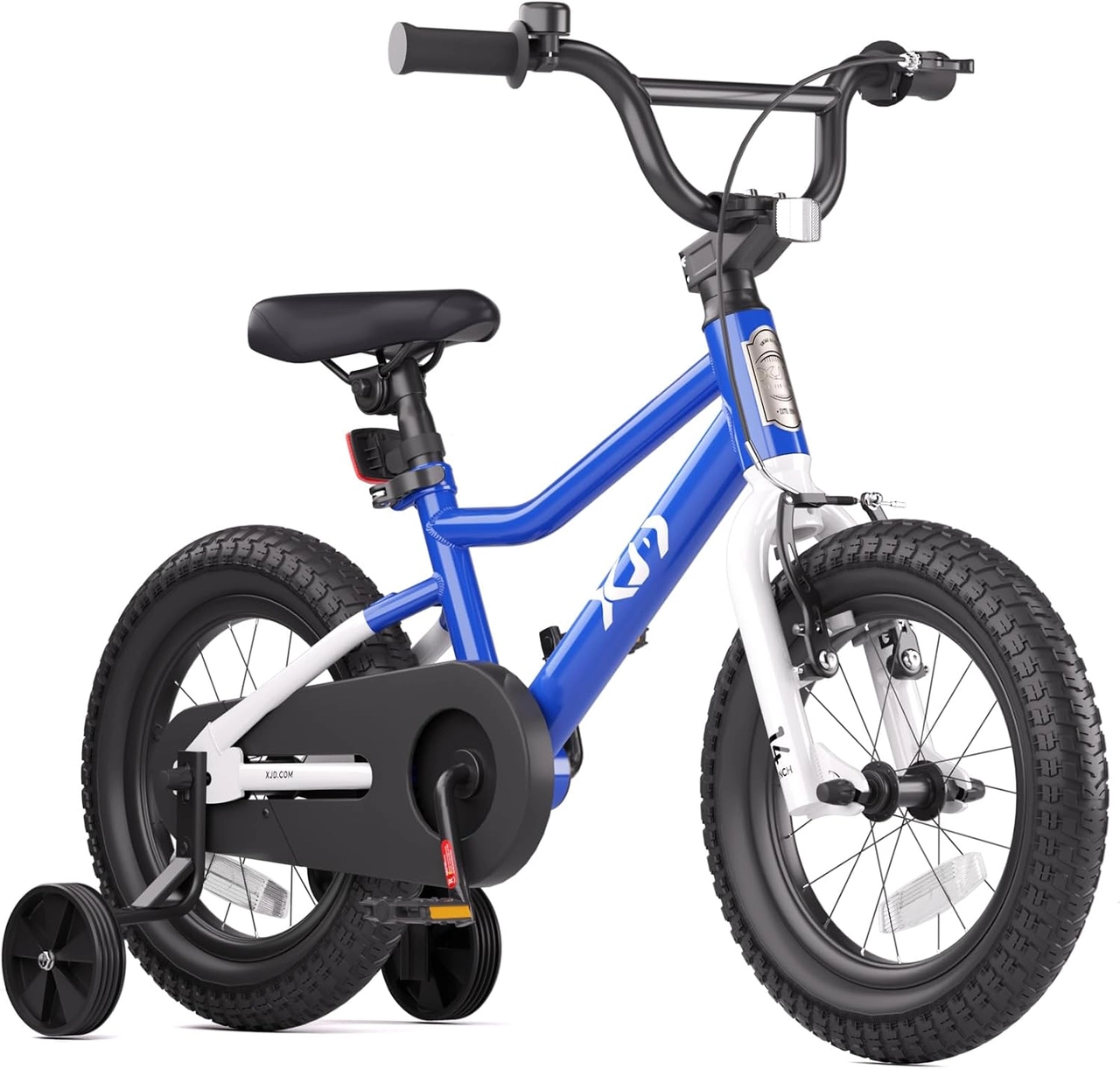
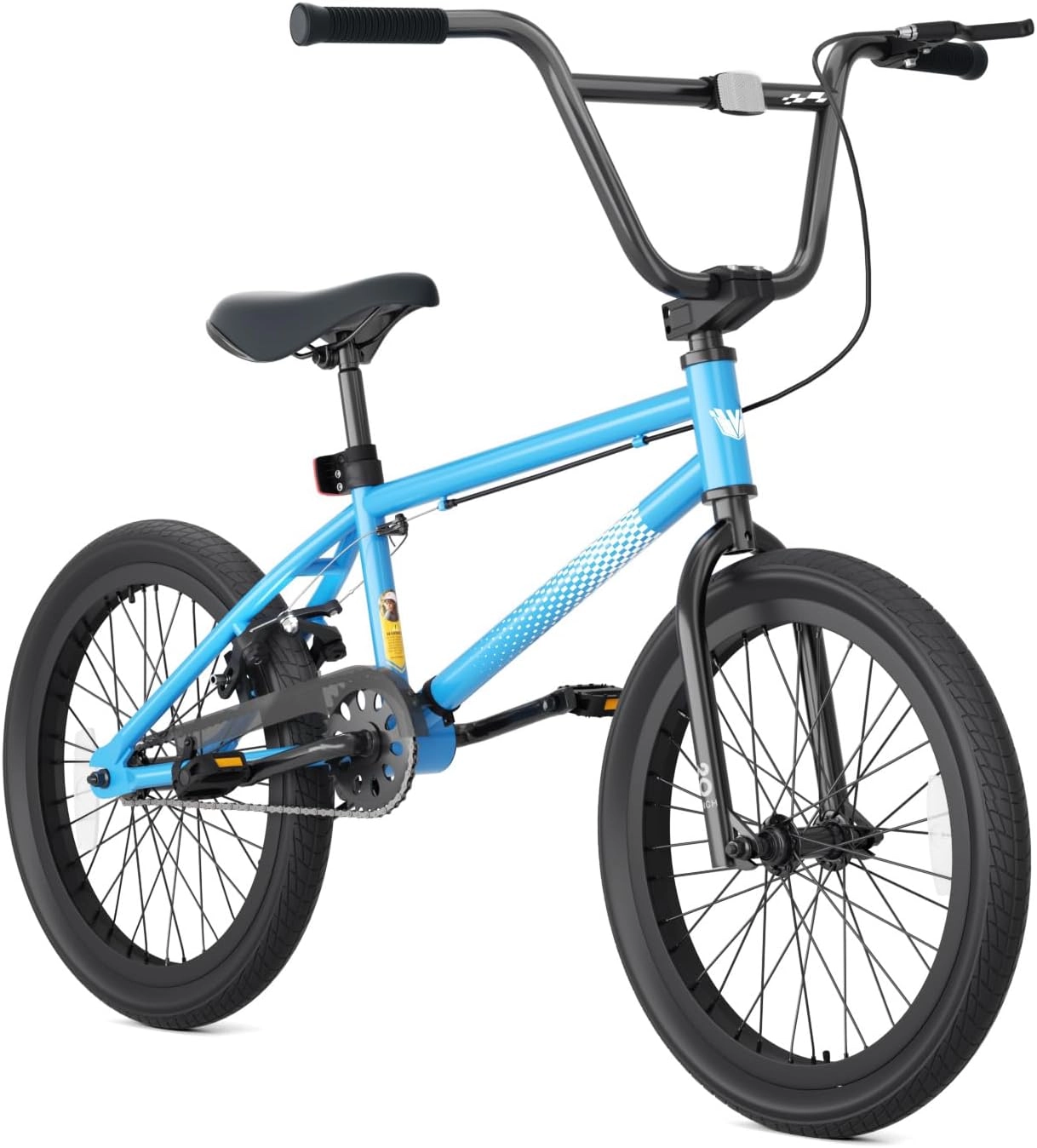
The Blue XJD BMX-style learning model offers 12-, 14- and 16-inch choices with training support. The separate Blue 20-inch Basic BMX is single-speed and without pegs. Those records describe different complete setups, not a required progression for every child. Check current measurements and real frame geometry before deciding whether either one is a suitable candidate.
Compare stopping controls as well as support
The learning model records a front caliper and rear coaster brake, while the 20-inch Basic BMX lists hand-operated U-brakes. Each control arrangement needs its own explanation and fitting assessment. A rider who understands one may still need suitable instruction on the other. Do not add support equipment or disable a brake to make two configurations seem interchangeable.
Use the Light Pink selector to test the category assumption
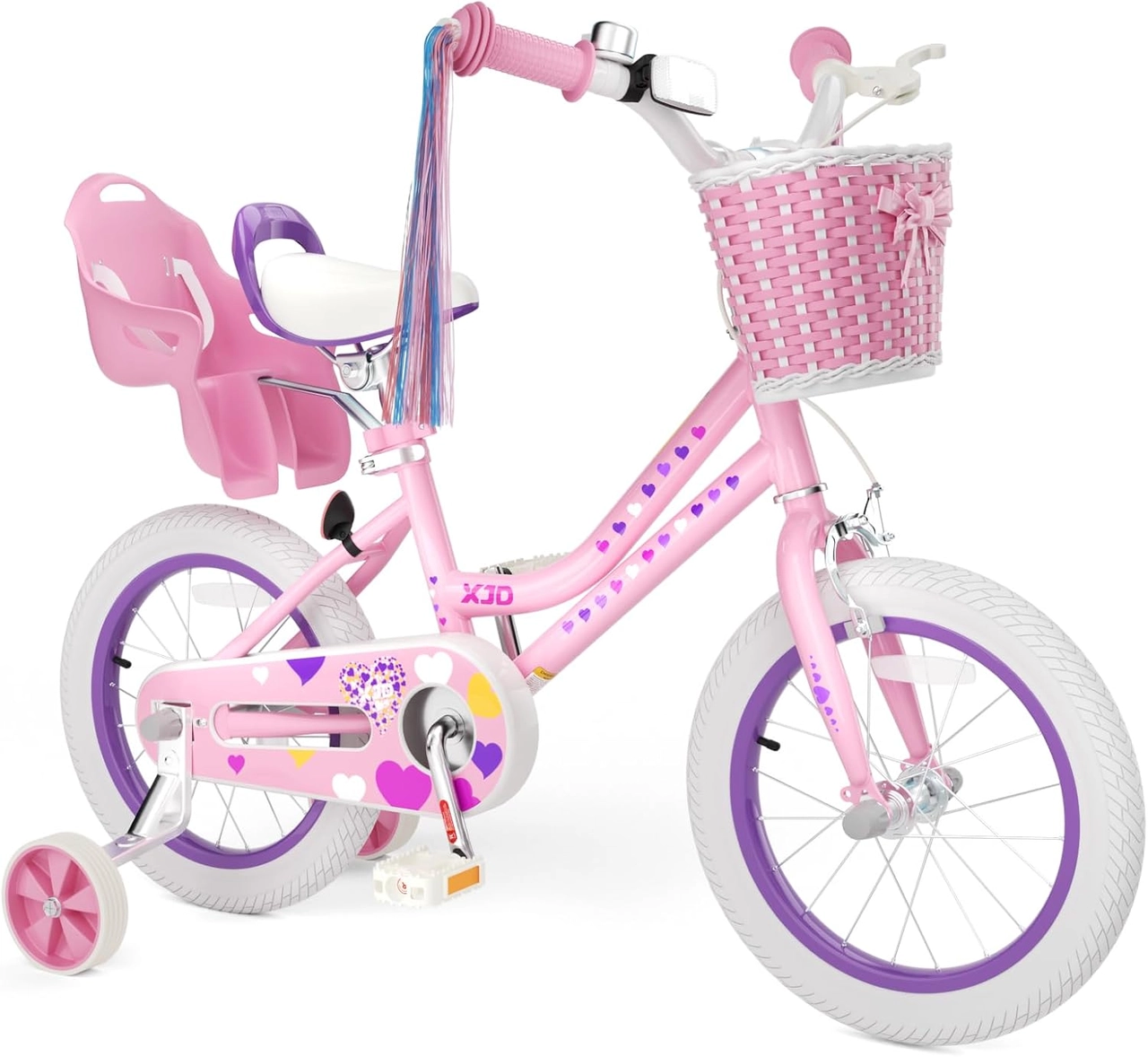
The Light Pink Basket Bike page spans 12 to 20 inches, with training wheels listed on the smaller configurations and a kickstand without training wheels on the 20-inch option. This shows why the chosen SKU matters more than a broad children’s-bike label. A basket, bell or frame style does not prove that every size includes the same learning equipment.
Choose permitted activity after the fit check
Have the selected bicycle assembled and inspected competently and fit the rider’s helmet. Begin ordinary familiarization in an appropriate clear supervised location. BMX naming alone does not authorize advanced stunts, passengers or every rough route. Keep accessories and cargo out of the first assessment. If no current candidate provides comfortable controls and usable geometry, compare another fitting option rather than choosing the more ambitious category name.
Configuration comparison
| Actual catalog entry | Wheel choices | Recorded support arrangement |
|---|---|---|
| Blue BMX-style learner | 12, 14, 16 inches | Training support |
| Blue Basic BMX | 20 inches | Without pegs |
| Light Pink basket bike | 12, 14, 16, 20 inches | Smaller options: training wheels; 20: kickstand |
Model details relevant to this task
These three genuine XJD entries provide different wheel selectors, brakes and support arrangements. They make the comparison more precise without pretending that a catalog category is a measured performance ranking. Keep the exact version and SKU visible when comparing the equipment supplied. The linked model details are available for XJD Blue Kids' BMX-Style Bicycle with Training Wheels and Bell, XJD Blue 20-Inch Single-Speed BMX – Basic Model without Pegs, XJD Light Pink Basket Bike for Girls – 12 to 20-Inch Choices.
Quick checklist
- Read the chosen wheel configuration.
- Verify brakes and support separately.
- Distinguish a kickstand from training wheels.
- Check fit before activity labels.
- Follow exact permitted-use guidance.
Common questions
Is every BMX-style bike a freestyle bike?
No. Styling and documented equipment or activity approval are separate questions.
Does a kids’ listing always include training wheels?
No. The actual Light Pink 20-inch option lists a kickstand without training wheels.
Related collections
The actual XJD bicycle configurations and XJD range background provide further model details. Check the exact selected configuration when planning fit, handling and care.
Before the next outing
Resolve BMX bike vs kids bike through the learning setup behind the styling. Current fit, usable stopping controls and exact supplied support give a more practical answer than category labels alone.