


Bike Basket Brake Cable Clearance: Check the Whole Steering Movement
Bike basket brake cable clearance matters even when the basket looks neatly fitted from the front. A parked photograph does not show what happens as the handlebars turn or a bag shifts position. Begin with the basket empty and the bicycle stationary. The useful question is whether the actual assembly leaves steering and braking unobstructed throughout the movement required by its instructions.
Inspect bike basket brake cable clearance with an empty basket
Have a competent adult confirm that the bicycle and basket are assembled as specified. Keep fingers away from mechanisms and observe the visible cable housings while following the prescribed steering check. Look for contact, pulling, sharp bends or an accessory that moves against the controls. Do not disconnect a brake cable or reroute it simply to create a tidier outline around the basket.
Check what the rider must reach
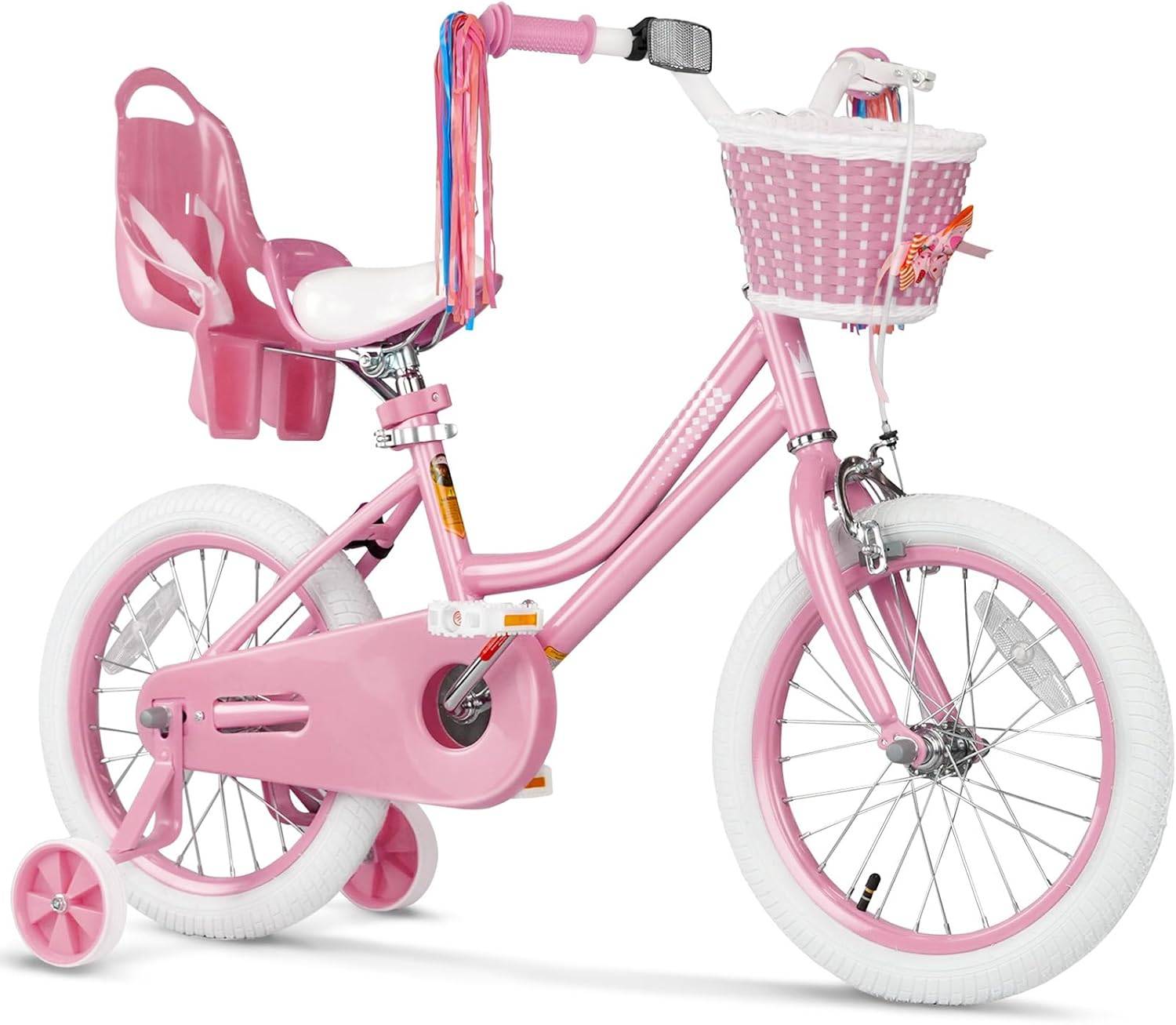
The rider should be able to hold the grips and operate the actual brake controls comfortably. A basket, mounting strap or carried object must not occupy that hand space or obscure the route ahead. The Pink Basket Bicycle records a hand brake alongside a rear coaster brake; that second system is not a reason to accept an obstructed lever. Check the complete stopping arrangement rather than treating one control as expendable.
Assess belongings separately from the attachment
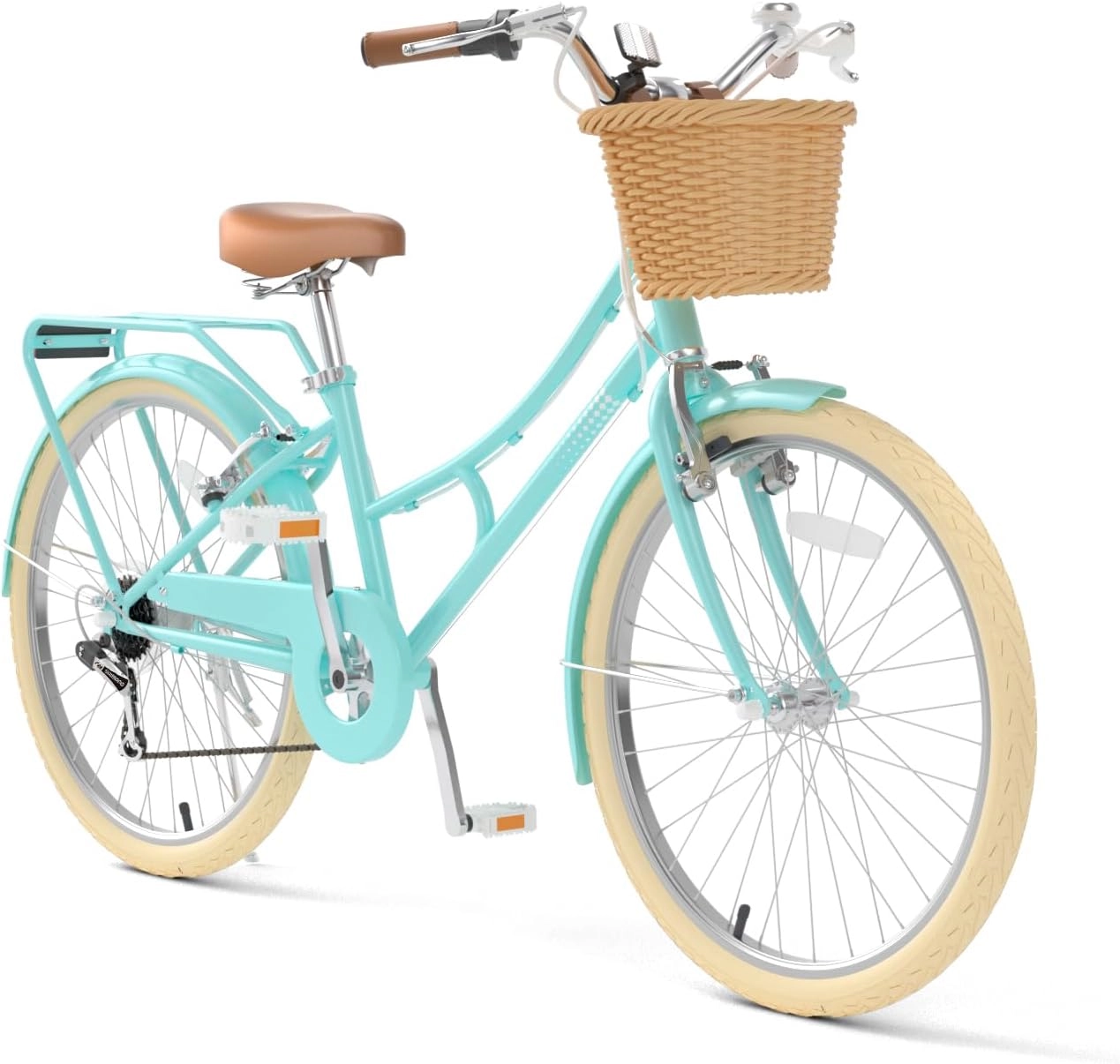
Once the empty assembly has been verified, consider only permitted items within the manufacturer’s carrying guidance. Keep straps, dangling handles and loose ends away from wheels, cables and the rider’s hands. A soft bag that fits the basket can still extend into a moving part. If an item prevents a clear view or comfortable control, carry it another way rather than trying to hold it in place while riding.
Refer interference to someone who can correct it properly
A cable that tightens as the bars turn, damaged housing or a basket that contacts a control needs attention before use. Describe where the interference occurs and identify the exact bicycle and accessory. A qualified bicycle technician can assess attachment and routing against the actual equipment requirements. Do not shorten housing, bend a bracket or move the handlebars outside their permitted position to make an uncertain combination appear to fit.
Model details relevant to this task
The Pink XJD learning bicycle lists a basket and hand/coaster braking; the Mint Green cruiser lists a basket, rear rack and V-brakes. Those are different control layouts. Neither page establishes a universal basket load, cable length or aftermarket mounting compatibility, so the inspection must remain specific to the selected bicycle. The linked model details are available for XJD Pink Basket Bicycle for Girls with Hand and Coaster Brakes, XJD Mint Green City Cruiser with Basket and Rear Rack.
Quick checklist
- Start with an empty verified assembly.
- Observe the prescribed steering check.
- Keep every brake control accessible.
- Contain straps and loose belongings.
- Resolve interference before riding.
Common questions
Can a rear coaster brake replace an obstructed lever?
No. All supplied stopping controls need to remain usable and correctly prepared.
Is a basket suitable if it fits between the grips?
That measurement alone does not establish mounting, cable clearance or unobstructed control.
Should a brake cable be bent out of the way?
Do not improvise cable routing. Have interference assessed and corrected for the actual equipment.
Related collections
The XJD product catalog and XJD brand information provide further model details. Check the exact selected configuration when planning fit, handling and care.
Before the next outing
Treat bike basket brake cable clearance as part of a complete stationary control check. Correct attachment, free steering and accessible brakes should be established before deciding what the basket will carry.