


Trek Bike Maintenance Checklist: Returning a Stored Bicycle to Use
A Trek bike maintenance checklist is especially useful when a bicycle has spent months in a garage. Storage time alone cannot tell you whether it is ready to ride. Begin with inspection and the correct instructions, not a ride around the block to discover whether the brakes still work.
Start the Trek bike maintenance checklist with identification
Find the full model and year where possible, and locate the relevant documents through Trek product support. A previous owner's changes may mean the component manuals matter as much as the original bicycle specification.
Check the manufacturer's safety notices before using an unfamiliar or long-stored bicycle. Record unresolved questions for a retailer: unknown service history, missing parts, unexplained marks or a brake that behaved differently before storage. Do not interpret a lack of recent use as evidence that nothing has deteriorated.
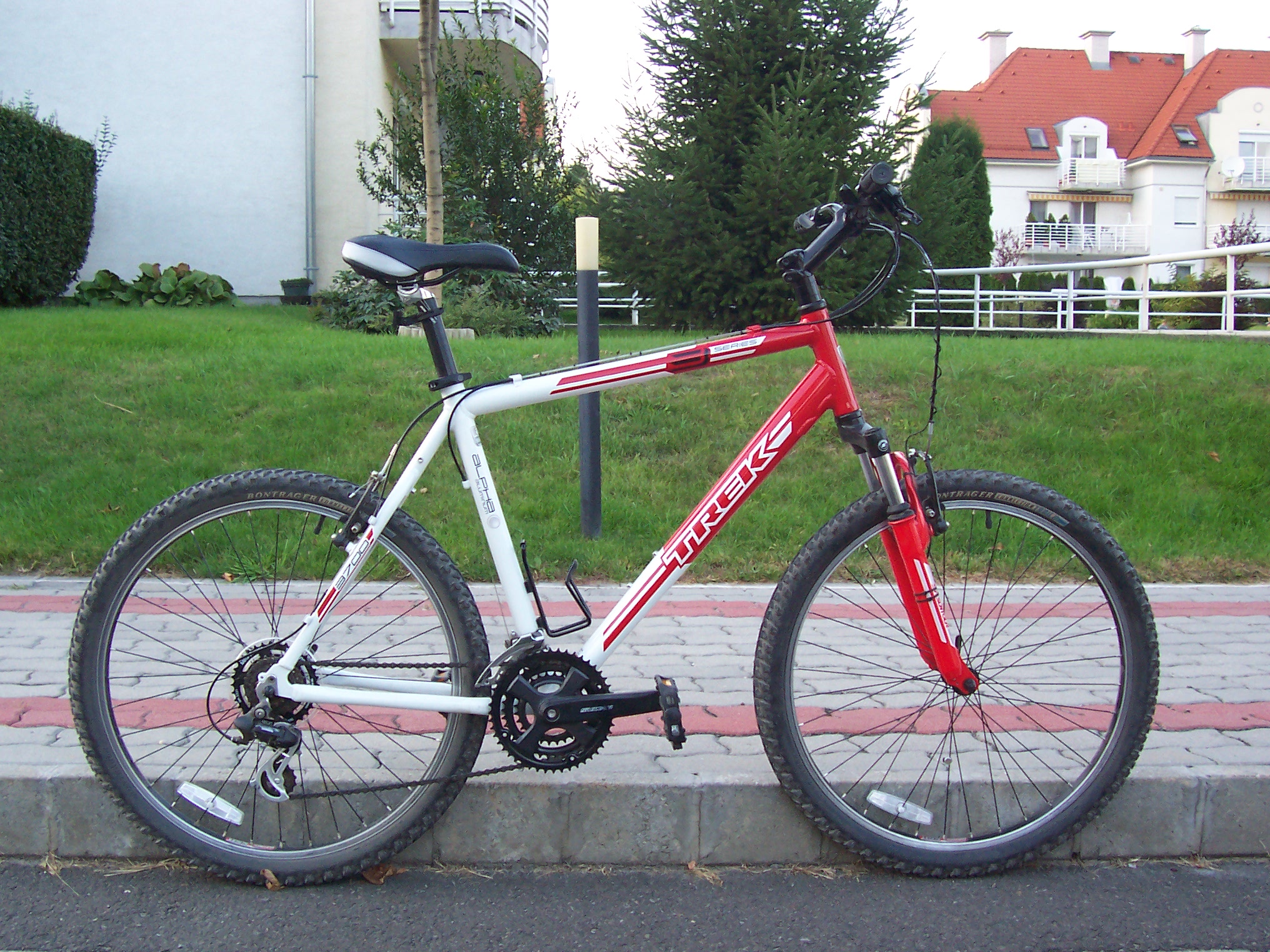
Inspect before adjusting
Trek's basic maintenance page covers tires, wheel security, chain condition, saddle security, brakes and lights. Use those categories as an inspection organizer, then follow the instructions for your actual equipment.
Tires and wheels
Look for obvious tire damage and confirm that wheels are secured by their intended attachment system. Follow the applicable tire and rim instructions for inflation; a printed maximum is not automatically a personal target. If a wheel, tire or fastening arrangement is unfamiliar, ask a mechanic to inspect it.
Controls and contact points
Check that the saddle and handlebar are secure and that controls operate as intended. If braking is weak, inconsistent or causes an unusual noise, stop and arrange service. Avoid tightening unfamiliar fittings by feel or borrowing a torque value from a different component.
Clean without concealing a problem
Gentle cleaning can make damage and wear easier to see. The manufacturer's guidance warns against pressure washing and contaminating disc-brake surfaces. Our chain-maintenance guide treats chain care separately because lubricant cannot repair damaged components.
Once concerns are resolved and the bicycle is confirmed ready, begin with a short controlled outing rather than a demanding trip. Note any returning symptom and revisit it before increasing distance. The Trek ownership guides help separate model identification, fit and accessory questions from this inspection routine.
FAQ
Is pumping the tires enough after storage?
No. Tires are only one part of the bicycle; wheels, brakes, steering and drivetrain also need appropriate checks.
Should I replace every component after a long break?
Not on time alone. Have condition and service requirements assessed instead of making an automatic replacement list.
When should I stop checking at home?
Stop when damage, uncertain fasteners or unreliable controls require expertise. A Trek bike maintenance checklist organizes observations; it does not certify a bicycle as safe.