


Specialized Sirrus vs Rockhopper: Compare Two Historical Riding Formats
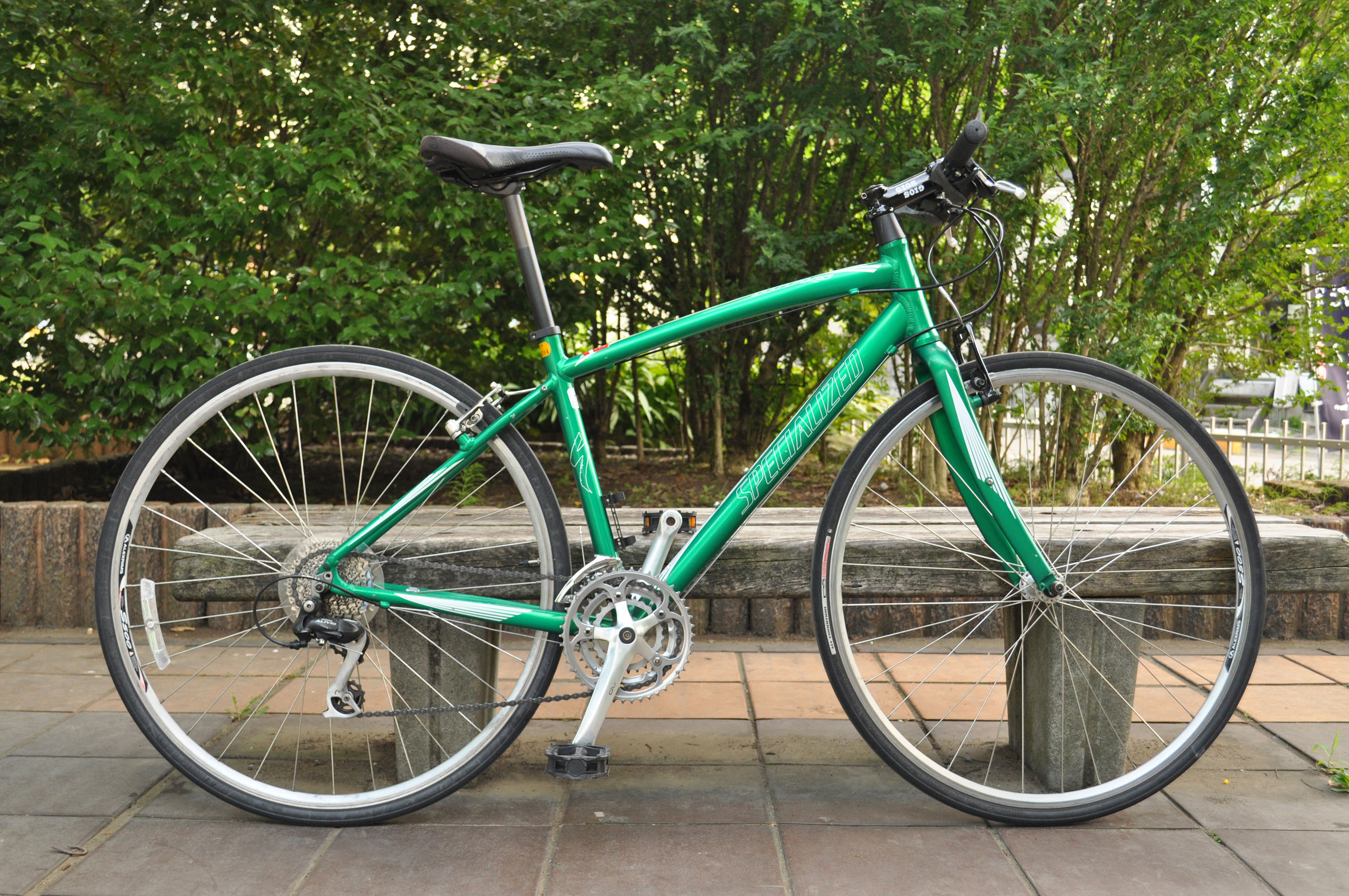
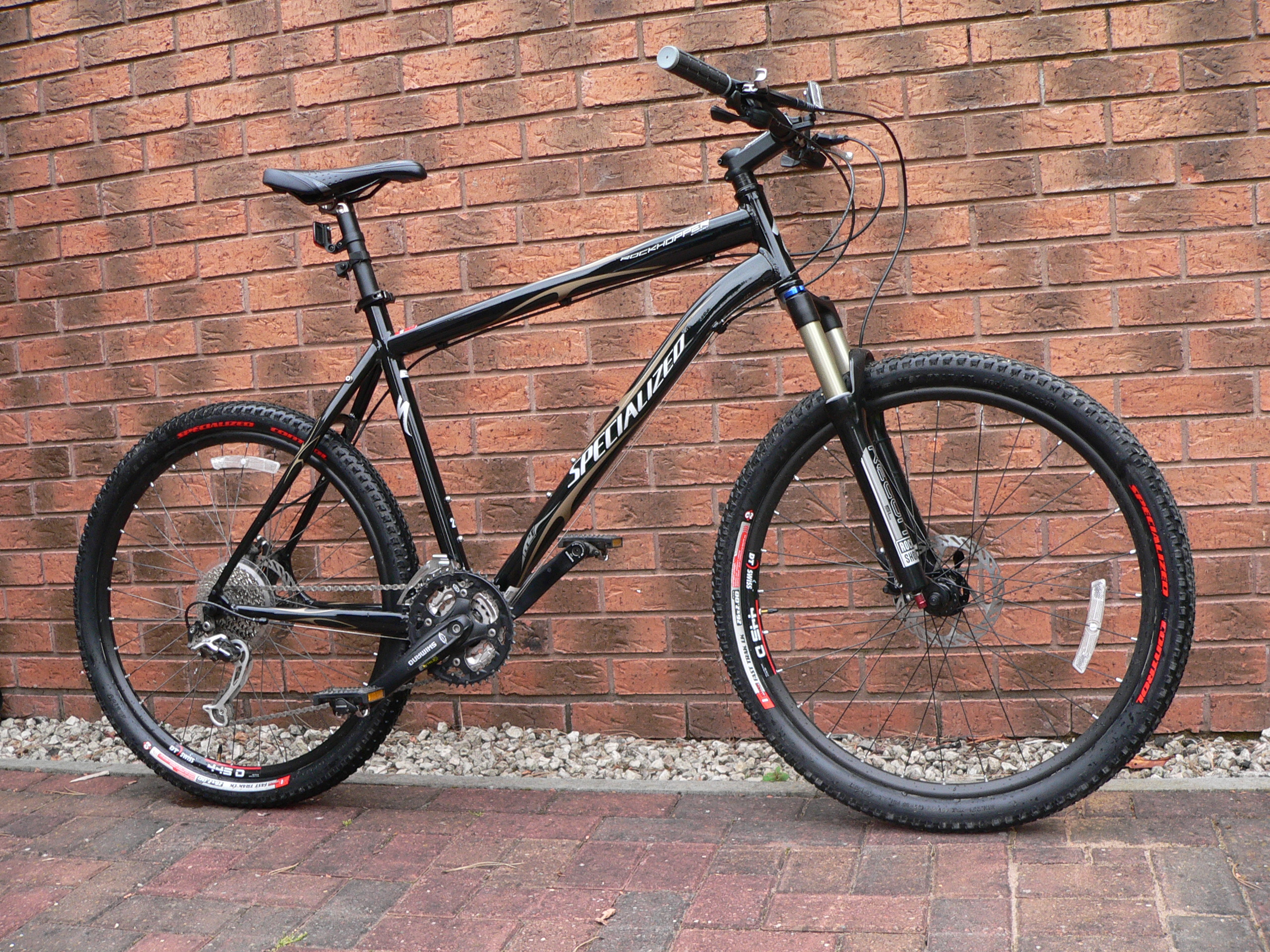
Specialized Sirrus vs Rockhopper comparisons become clearer when they begin with riding format and intended route. The historical pictures show a rigid flat-bar Sirrus and a suspension-fork Rockhopper hardtail. They are useful examples of different approaches, but they are not a controlled test or a complete specification match for two bikes you may be buying.
Put the Specialized Sirrus vs Rockhopper question on your route
Specialized's Japanese 2008 Sirrus Sora description discusses fitness and commuting with flat-bar handling. That is family context for understanding the Sirrus idea. The green photograph is identified as a 2007 Sirrus, so the black 2008 page must not supply its exact equipment.
The Spanish 2009 Rockhopper Expert Disc archive discusses mountain riding and lists front suspension and disc brakes. The photographed black Expert Disc is consistent at family and year level, with market and factory originality still unconfirmed. Neither reference proves that a particular used example is ready for the route you intend.
Compare the equipment you would actually use
Write down the surfaces, obstacles and practical stops on a normal trip. For a mostly paved journey, consider the position, tyres and accessories you need. For an off-road plan, ask whether the actual bicycle's intended use and present condition suit it, rather than assuming every mountain bike permits every trail activity.
Examine the tyres and brakes installed on each offered bike. The pictures visibly show rim brakes on the Sirrus and disc rotors on the Rockhopper, but that observation is not a braking-performance ranking. Condition, setup and the exact components require inspection.
Let fit and repair needs influence the decision
A historical model's reputation cannot tell you whether its frame fits or its fork needs work. Arrange a fitting assessment and a mechanical check, then ask what would need attention before regular use. Compare the resulting practical work, not just the original catalogue position of each bicycle.
Also consider the intended carrying equipment. A frame that looks suitable for commuting still needs verified attachment points and accessory compatibility. Avoid declaring either pictured bike a complete commuter package when no rack or mudguard installation has been checked.
For more specific evidence, use the Sirrus identification guide before interpreting a seller's description. The Specialized brand topic includes the associated Rockhopper references.
Historical-format FAQ
Is this a claim that the Sirrus is faster?
No. The guide compares documented purposes and visible formats; no timed riding test was performed.
Does front suspension make the Rockhopper right for every trail?
No. Confirm intended use, fit and condition for the specific bicycle and activity.
Can an old family name settle a used-bike purchase?
No. The actual equipment, repair needs and rider fit still determine whether the example is suitable.
A useful Specialized Sirrus vs Rockhopper decision joins the route to the actual bicycles, with historical context supporting rather than replacing inspection.
Manufacturer references: Japanese 2008 Sirrus Sora archive; Spanish 2009 Expert Disc archive.