


Santa Cruz Blur Rear Hub Spacing: Keep QR, 142mm and Boost Revisions Apart
Santa Cruz Blur rear hub spacing changed across platforms and even within a named generation. Before buying a rear wheel, identify the frame’s actual dropout and axle arrangement. The newest-looking hub row in a support table may describe only the final revision, while the component notes explain earlier bicycles.
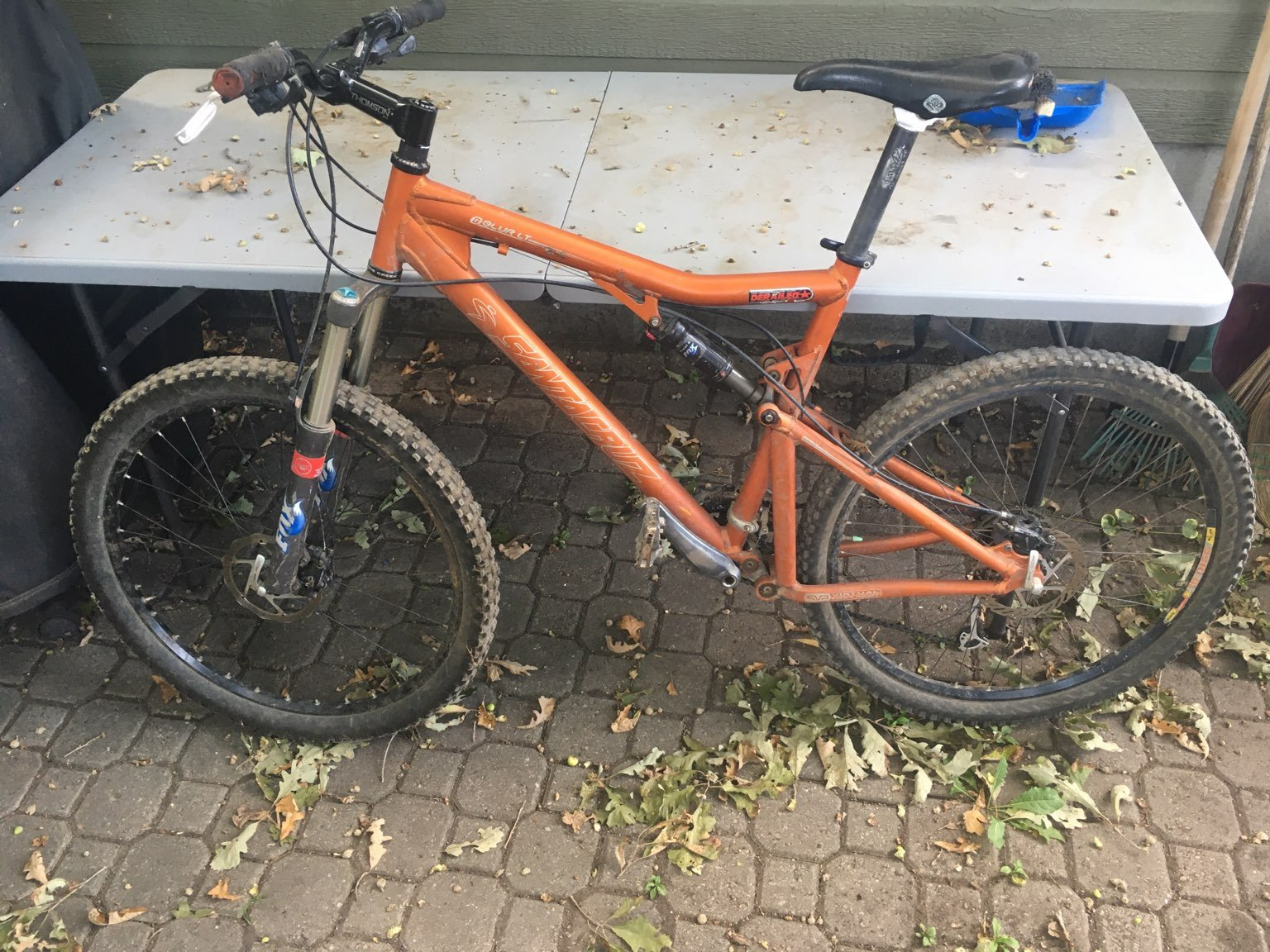
Start Santa Cruz Blur rear hub spacing with the attachment type
The LT1 record specifies a 135mm by 10mm QR-style rear interface. Blur 3, covering 2018–2021, lists a 148mm by 12mm through-axle rear hub. These are different frame interfaces; the newer number is not a replacement specification for a historical QR frame.
The distinction also concerns how the wheel is retained. Do not reduce an enquiry to the hub’s nominal width while omitting quick release or through axle. Provide a clear view of both dropouts and the existing retention hardware so that a workshop can identify the complete arrangement.
Read the XC2 notes before using its headline specification
Santa Cruz’s XC2 page has a generic 142mm through-axle hub entry, but the component notes make an important distinction. The 2009–2010 version and the 2011–2012 revision retain 135mm QR-style rear spacing. The 2013 onward revision is the one listed with a 142mm by 12mm through axle.
That revision history shows why copying one line from a family page can produce a wrong order. Preserve the suffix and date range in your wheel enquiry. A seller’s statement that a wheel fits an XC2 should identify which revision, rather than treating the whole production period as uniform.
Check the rest of the wheel after confirming the frame interface
Once the retention system is known, compare the intended wheel diameter, brake-rotor attachment and cassette interface with the equipment actually used. Those are additional questions; neither a matching hub width nor a familiar freehub label settles all of them.
Ask the wheel or hub manufacturer about any proposed conversion, with the exact frame and hub identified. Do not assume an end-cap change can turn every hub into another spacing standard or make a different frame accept it. Resolve the frame-side requirement first, then assess the complete wheel.
Santa Cruz Blur rear hub spacing FAQ
Does the XC2 page’s 142mm row describe its earliest versions?
No. The component notes retain 135mm QR for the earlier revisions.
Is 148mm simply the newer replacement size for a 135mm frame?
No. It is a different interface, not a universal upgrade path.
What should accompany the spacing measurement in a parts request?
Include the axle type, frame revision and the wheel’s actual brake and cassette interfaces.
Use Santa Cruz Blur rear hub spacing as a revision-specific frame requirement. Reading the notes before comparing wheels is quicker than discovering the wrong axle standard after delivery.
Once the rear wheel interface is established, consider Santa Cruz Blur tyre clearance for the installed wheel and intended replacement. Further references are grouped in the Santa Cruz bicycle collection.
Technical references: LT1 record; XC2 record; Blur3 record.