


Orbea Occam crash inspection: decide when a bike needs professional assessment
An Orbea Occam crash inspection should establish what needs professional assessment before the bicycle returns to normal use. The historical Bluepaper describes visible frame and component checks, but it also says that some damage requires disassembly to detect. A clean photograph or a wheel that still turns cannot settle the whole question.
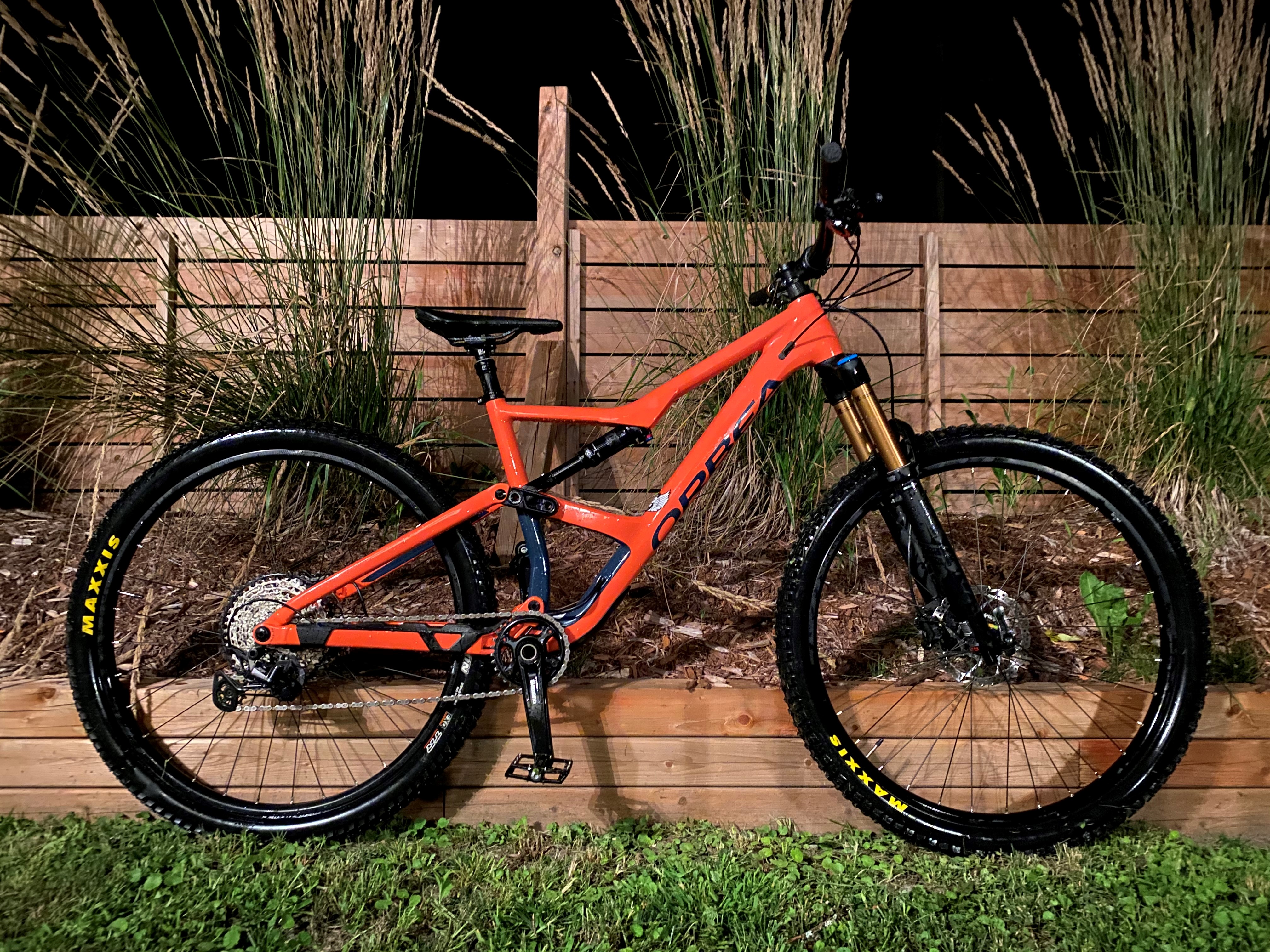
Begin an Orbea Occam crash inspection with visible condition
The manual directs the reader to inspect the frame and components after an impact and not ride if problems are found. It specifically identifies cracking or bending of the frame and fork as warning signs. Record the affected areas without dismantling an unfamiliar structural assembly just to see further inside.
Its component checks include the drivetrain and wheels. Report damage, an abnormal wheel movement or controls that no longer work as expected. A normal result in one area does not cancel a concern elsewhere; functioning gears cannot establish that the frame or fork escaped the impact undamaged.
Take new noises and unexplained changes seriously
The post-impact section tells the rider to investigate new or unusual sounds. A creak may need diagnosis even when no obvious crack is visible. Describe when the sound began and where it seems to occur, while avoiding a home “test ride” intended to prove that a suspect bicycle will survive further loading.
Also note any changed steering, braking or suspension behaviour as observations for the workshop. Do not declare the cause from a sound alone or attempt to silence it before the relevant assembly is assessed. Preserving the original description of the problem helps the mechanic understand what changed.
Bring the bicycle and a clear account to the dealer
The Bluepaper calls for professional inspection by an Orbea dealer and explains that some damage can only be detected when parts are disassembled. Ask what examination is appropriate for the actual impact and components. This article supplies no visual checklist that overrides that assessment.
Prepare the frame identity, the circumstances of the incident and photographs showing contact areas. Include any earlier repairs or replacement components that may matter. Keep the completed inspection and service record before arranging further riding, and ask the workshop to explain any remaining uncertainty or required work.
Routine cleaning and scheduled bearing service remain useful ownership habits, but they are different from investigating an extraordinary load or impact. Do not treat a recent ordinary service appointment as evidence that a later crash needs no follow-up.
Post-impact FAQ
Does an absence of visible cracks rule out damage?
No. The manual explains that some damage needs professional disassembly and inspection to detect.
Do normal gear changes prove the complete bicycle is ready?
No. Drivetrain operation does not resolve a separate frame, fork or other component concern.
Should a new creak be hidden with lubricant before inspection?
Report the symptom and have its cause assessed rather than assuming lubrication resolves impact damage.
Use an Orbea Occam crash inspection to obtain an appropriate professional assessment and documented next steps before returning a suspect bicycle to use. Explore the Orbea reference collection for related ownership questions, including the associated technical guide.
Primary reference: Orbea Occam Carbon and Hydro Bluepaper, printed pp32–33.