


Niner MCR 9 RDO Shock Stroke: Why the O-Ring Does Not Reach the End
Niner MCR 9 RDO shock stroke can be misread when an owner expects the travel-indicating O-ring to reach the end of every visible shaft. Niner’s setup guide says the custom XFusion unit does not behave that way. On the documented shock, an O-ring that stops short is not, by itself, evidence that the suspension is failing to use full travel.
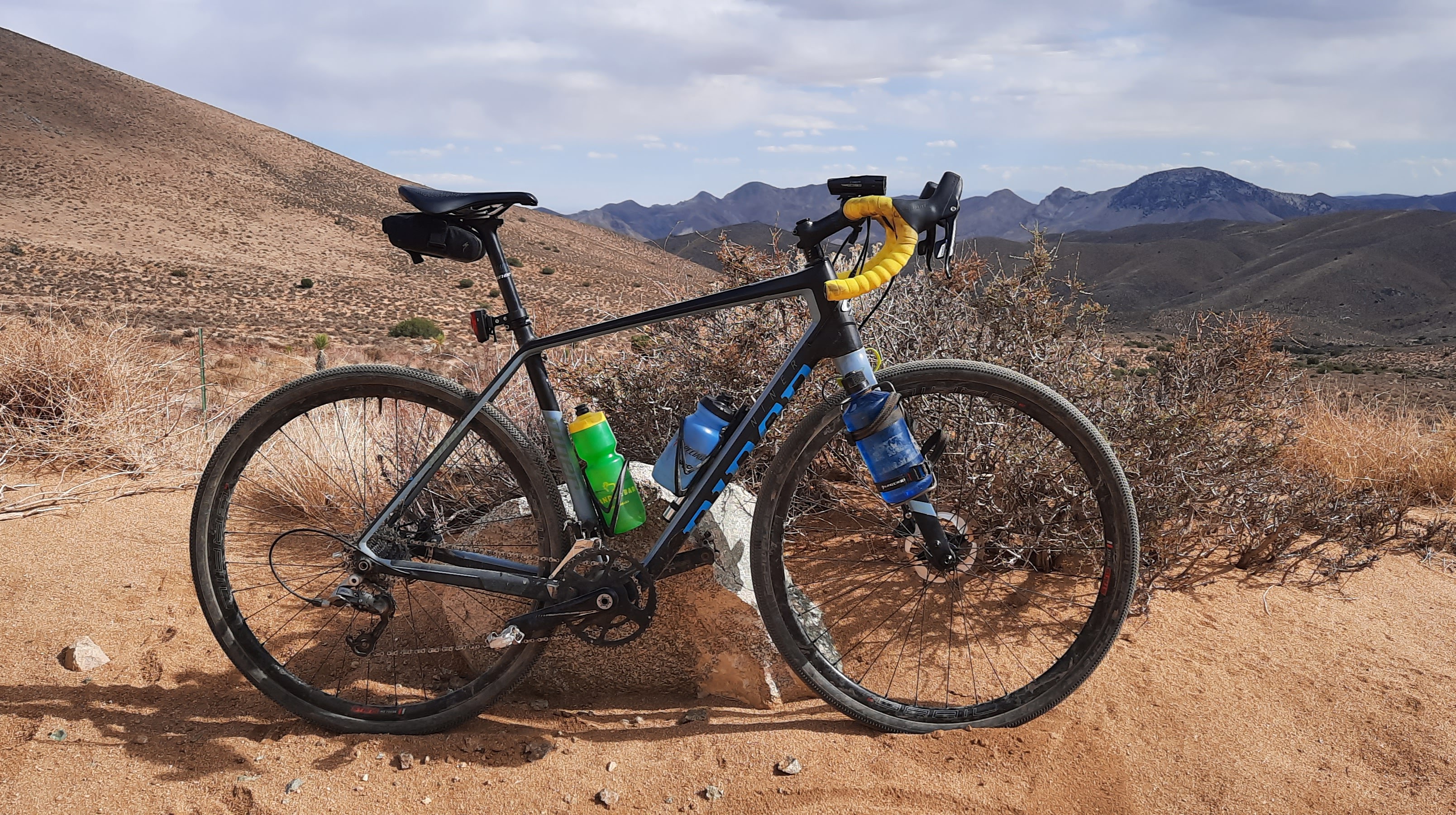
Use the Niner MCR 9 RDO shock stroke reference
The manufacturer’s 2019 suspension setup guide describes a purpose-built XFusion shock with a 20 mm stroke. It explicitly states that the sag-indicating O-ring will never reach the bottom of the shock stanchion. Its permitted movement ends before that visible endpoint.
That instruction concerns the documented custom shock. Establish what is actually fitted before using it to interpret an owner bicycle. A replacement shock, changed internal configuration or an unidentified unit needs its own verified guidance; the frame name alone cannot establish how its indicator should behave.
Separate the visible shaft from the measurement
The same page defines the sag measurement from the bottom of the seal to the top of the O-ring. Its chart gives 3 mm and 4 mm for the documented rear shock at 15% and 20% sag. Those are movements at the shock, not a measurement of the rear wheel’s complete path.
The chart separately lists 6 mm and 8 mm for the Fox AX fork. Keeping the component columns separate prevents a fork displacement from being copied onto the much shorter-stroke rear shock. Use the actual component instructions and normal riding equipment for a setup assessment.
Do not chase the shaft endpoint with unrelated adjustments
Tell the workshop what you observed: the actual shock identity, the indicator position, the measuring method and any riding symptom. “The ring does not reach the end” and “the bike bottoms harshly” are different observations. The first can be entirely consistent with the manufacturer’s description.
Do not deliberately force bottom-out, release air or alter internal parts simply to move the ring farther along the exposed shaft. If the suspension feels wrong or the correct baseline cannot be established, have it assessed. The 20 mm statement is an interpretation reference, not approval to increase stroke or substitute another shock.
FAQ
Should the documented XFusion O-ring reach the shaft end?
No. Niner expressly says it will not, even when the specified 20 mm stroke is fully used.
Are 3 mm and 4 mm rear-wheel travel figures?
No. The setup chart gives those sag displacements at the documented rear shock.
Does this identify a replacement damper completely?
No. Complete dimensions, mounting, clearance and tune require a separate compatibility assessment.
Interpret the indicator against the actual shock’s permitted movement rather than the length of visible metal. The Niner topic and brand introduction provide the wider bicycle context.
Primary references: official reference 1 (https://www.ninerbikes.com/media/productattach/m/c/mcr_-_suspension_setup_guide_-_full_-_091219.pdf)
Photograph credits and permissions
Photograph 1
Original title: Niner RLT 9 RDO in the desert
Creator: Inklein; creator URI: https://commons.wikimedia.org/wiki/User:Inklein
Original source URI: https://commons.wikimedia.org/wiki/File:Niner_RLT_9_RDO_in_the_desert.jpg
License / permission: CC BY-SA 4.0
License / permission URI: https://creativecommons.org/licenses/by-sa/4.0/
Modification notice: Original JPEG bytes unchanged.