


Kalkhoff E Bike Range Factors: Gather Inputs Before a Distance Estimate
Kalkhoff e bike range factors are a better starting point than a distance copied from another rider. Kalkhoff’s FAQ says there is no definitive answer for battery range and names assistance level, riding style, rider weight, tyre pressure and surface conditions as influences. Describe those inputs before asking what an estimate means for your own journey.
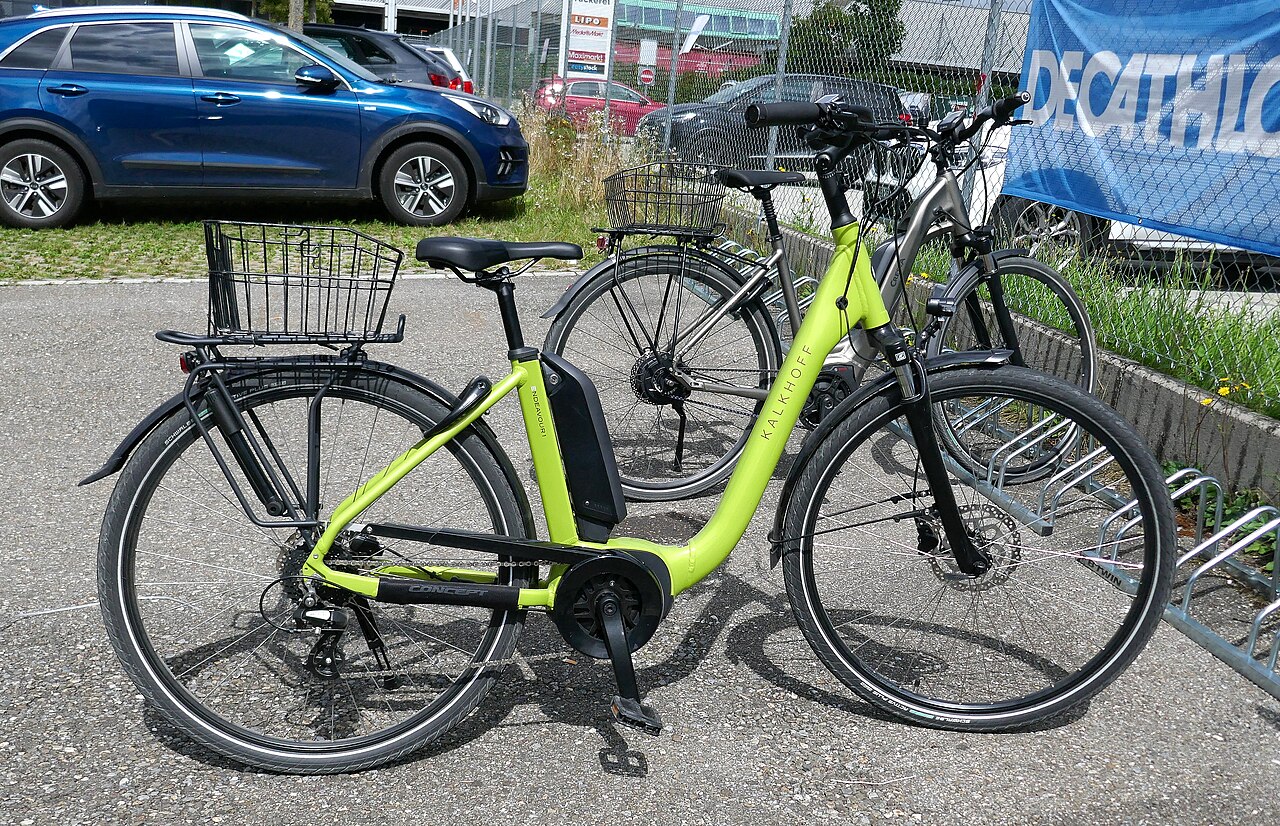
Kalkhoff e bike range factors: describe the route and assistance
Record the intended outward and return distance, surfaces and the assistance you expect to use. A result from a lightly loaded ride on a different route does not reproduce the conditions of a more demanding journey. Keep an estimated remaining distance separate from the distance already travelled.
The FAQ’s list is a set of dependencies, not a formula that converts any battery label into kilometres. It does not establish a brand-wide minimum range. An advertised figure without its particular bicycle and conditions is insufficient to decide whether a planned trip can depend on assistance throughout.
Keep the tyre setting tied to the actual equipment
Tyre pressure appears in the manufacturer’s range factors, but the FAQ does not prescribe one pressure for every Kalkhoff. Use the applicable tyre, rim and bicycle guidance for the real load. Do not copy another model’s pressure solely to reproduce its reported range.
Identify energy without calling it distance
The inspected Bosch smart-system battery manual lists watt-hour energy for specific battery codes. That identifies a documented component property. It does not establish a universal number of kilometres, and a frame’s battery appearance cannot confirm which code is installed.
The manual also says capacity diminishes with age even with good care. A used battery therefore needs its own identity and condition considered. Its original energy label is not a measurement of current usable capacity, and a single display estimate is not a battery-health assessment.
Build observations around a manageable journey
For a familiar local route, note the actual distance, assistance setting, load and starting and ending indications while stopped. Keep those observations together so the next comparison uses similar conditions. A recorded easy trip should not silently become evidence for a more remote or heavily loaded route.
If a journey depends on charging away from home, confirm a permitted charging location and the approved equipment beforehand. Allow a practical return option when the battery condition or route is unfamiliar. This article reports no road test, measured consumption or promised distance for the pictured historical bicycle.
For a concrete label-reading example, the manual lists CompactTube 400 at 36 V, 10.6 Ah and 400 Wh, while PowerTube 540 is listed at 36 V, 14.5 Ah and 540 Wh. These entries distinguish documented batteries; a shared voltage does not make them interchangeable or predict a distance. Record the actual code and energy rather than reducing the bicycle’s identity to a generic phrase such as a Bosch battery.
FAQ
Does a watt-hour label guarantee kilometres?
No. Energy and travel distance describe different things, with range dependent on conditions.
Does this FAQ supply one tyre pressure for maximum range?
No. Use the instructions and limits for the actual tyre, rim and bicycle.
Can another rider’s result settle my return journey?
No. Identify your route, equipment, load and assistance conditions separately.
Keep route observations alongside the Kalkhoff references. The brand-family introduction describes the range without promising a distance for your battery, assistance setting or journey.
Sources
Kalkhoff manufacturer reference (https://www.kalkhoff-bikes.com/en_gb/service/faq).
Bosch smart-system component manual (https://resource.pon.bike/by/asset/1f9df4ed-821e-441e-8209-ffb23fe9a4de/CompTubePack_02750073PX_202501_weu13_Lekt.pdf).
Original photograph source (https://commons.wikimedia.org/wiki/File:Kalkhoff_Endeavour_1.jpg).
Photograph credits and permissions
Photograph 1
Original title: Kalkhoff Endeavour 1.jpg
Creator: Tiia Monto; creator URI: https://commons.wikimedia.org/wiki/User:Kulmalukko
Original source URI: https://commons.wikimedia.org/wiki/File:Kalkhoff_Endeavour_1.jpg
License / permission: CC BY-SA 3.0
License / permission URI: https://creativecommons.org/licenses/by-sa/3.0/
Modification notice: Wikimedia-provided 1280 × 826 rendering of the 4006 × 2586 source photograph. The delivered JPEG is unchanged by this publisher; no further crop, re-encoding, colour change or metadata edit.
Source disclaimer: No endorsement by the photographer is implied.