


Kalkhoff Battery Charging LEDs: Separate Temperature from a Fault
Kalkhoff battery charging LEDs need to be read with the battery identity and the applicable instructions beside them. In the inspected Bosch smart-system manuals, two flashing battery LEDs and three flashing battery LEDs describe different conditions. This is not a decoder for every Kalkhoff display, charger light or older battery generation.
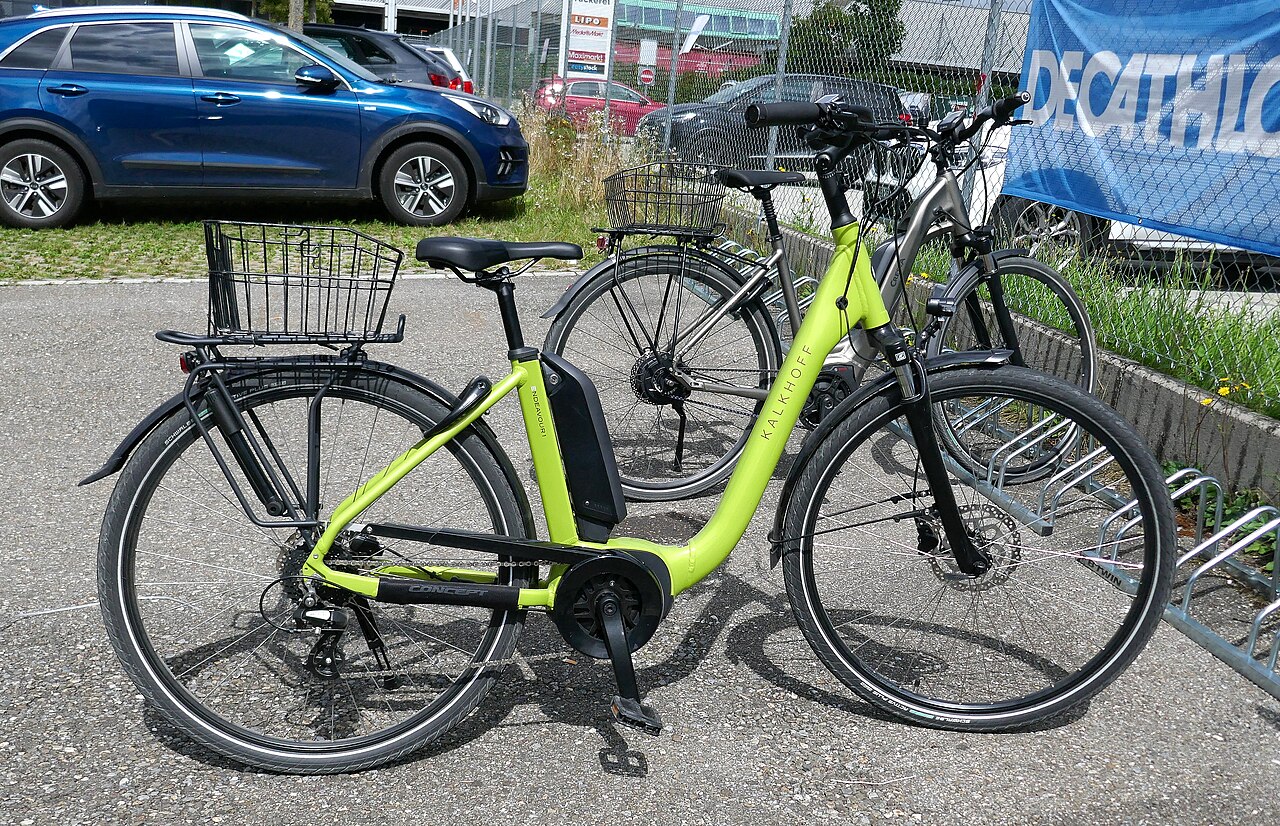
Kalkhoff battery charging LEDs: record the actual indicator
Note where the lights are, how many flash and when the behaviour occurs. The cited fault information concerns the battery’s charge indicator. A coloured light on another charger, an on-screen message or an unrelated motor error cannot be translated using the same count.
Keep the battery and charger codes with that observation. The charger manual is Bosch 0 275 007 3CX from January 2024; the battery manual is 0 275 007 3PX from January 2025, covering its listed smart-system batteries. Their scope does not identify the equipment in the historical photograph.
Three flashing LEDs: a charging-temperature condition
The manuals describe three flashing battery LEDs when the battery is outside the permitted charging-temperature range. Their listed battery charging range is 0–40°C. The charger’s fault table says to disconnect the battery from the charger until the charging-temperature range is reached, and reconnect only at the correct temperature. This is a condition of the battery, not proof that a room with a familiar name meets the requirement.
Two flashing LEDs: take the fault route
The battery manual says two LEDs flash when a fault is detected and directs the owner to a service centre. The charger’s fault table similarly identifies two flashing battery LEDs as a defective-battery condition. Do not treat that signal as a request for a longer charge, a different adapter or a home repair.
The battery manual expressly prohibits opening the battery, including for repairs, and says damaged batteries must not be charged or used. Preserve the observed indication and ask the service centre how to proceed with the identified equipment. A normal-looking housing does not justify an experiment after a documented fault indication.
Keep an absent response distinct
No visible charging response is a different observation from either flashing pattern. The charger manual considers connections, contacts and charging equipment separately. Report what was connected and any visible damage, without dismantling components or trying to bypass a protection. Have uncertain or damaged equipment assessed using the complete applicable instructions.
A concise record of codes, indication and circumstances helps the workshop ask the next relevant question. It does not diagnose the pack’s internal condition or establish that a reset has made it safe.
For built-in batteries, the charger manual’s error section points to the eBike Flow app and says to follow the specifications stored there. An owner who cannot see a removable pack’s physical indicator should not open the installation to recreate the illustration. Record the actual app message and equipment identity for the dealer instead, keeping that information separate from a count observed on a different bicycle.
FAQ
Are three flashing LEDs the documented fault signal?
In these manuals they indicate charging temperature; two flashing battery LEDs take the fault route.
Can I apply this count to any display?
No. Identify the indicator and its own equipment instructions first.
Should an owner open a faulty battery?
No. The manual prohibits opening it and directs the owner to service support.
Other ownership decisions belong in the Kalkhoff topic. The historical introduction describes the brand, while a workshop enquiry needs the actual indicator and component identities recorded here.
Sources
Bosch smart-system component manual (https://resource.pon.bike/by/asset/b38f99be-00b0-4b5d-9123-d64c7e8586e7/Charger_02750073CX_202401_weu13_mReg.pdf).
Bosch smart-system component manual (https://resource.pon.bike/by/asset/1f9df4ed-821e-441e-8209-ffb23fe9a4de/CompTubePack_02750073PX_202501_weu13_Lekt.pdf).
Original photograph source (https://commons.wikimedia.org/wiki/File:Kalkhoff_Endeavour_1.jpg).
Photograph credits and permissions
Photograph 1
Original title: Kalkhoff Endeavour 1.jpg
Creator: Tiia Monto; creator URI: https://commons.wikimedia.org/wiki/User:Kulmalukko
Original source URI: https://commons.wikimedia.org/wiki/File:Kalkhoff_Endeavour_1.jpg
License / permission: CC BY-SA 3.0
License / permission URI: https://creativecommons.org/licenses/by-sa/3.0/
Modification notice: Wikimedia-provided 1280 × 826 rendering of the 4006 × 2586 source photograph. The delivered JPEG is unchanged by this publisher; no further crop, re-encoding, colour change or metadata edit.
Source disclaimer: No endorsement by the photographer is implied.