


Fuji Feather Fixed Gear: Check What the Japan Build Actually Includes
A Fuji Feather fixed gear listing can leave a buyer expecting equipment that the Japanese specification does not include. The current regional page describes a freewheel as standard and a hub that can accept a fixed cog on the opposite side. Those statements describe two different things: supplied equipment and a possible alternative configuration.
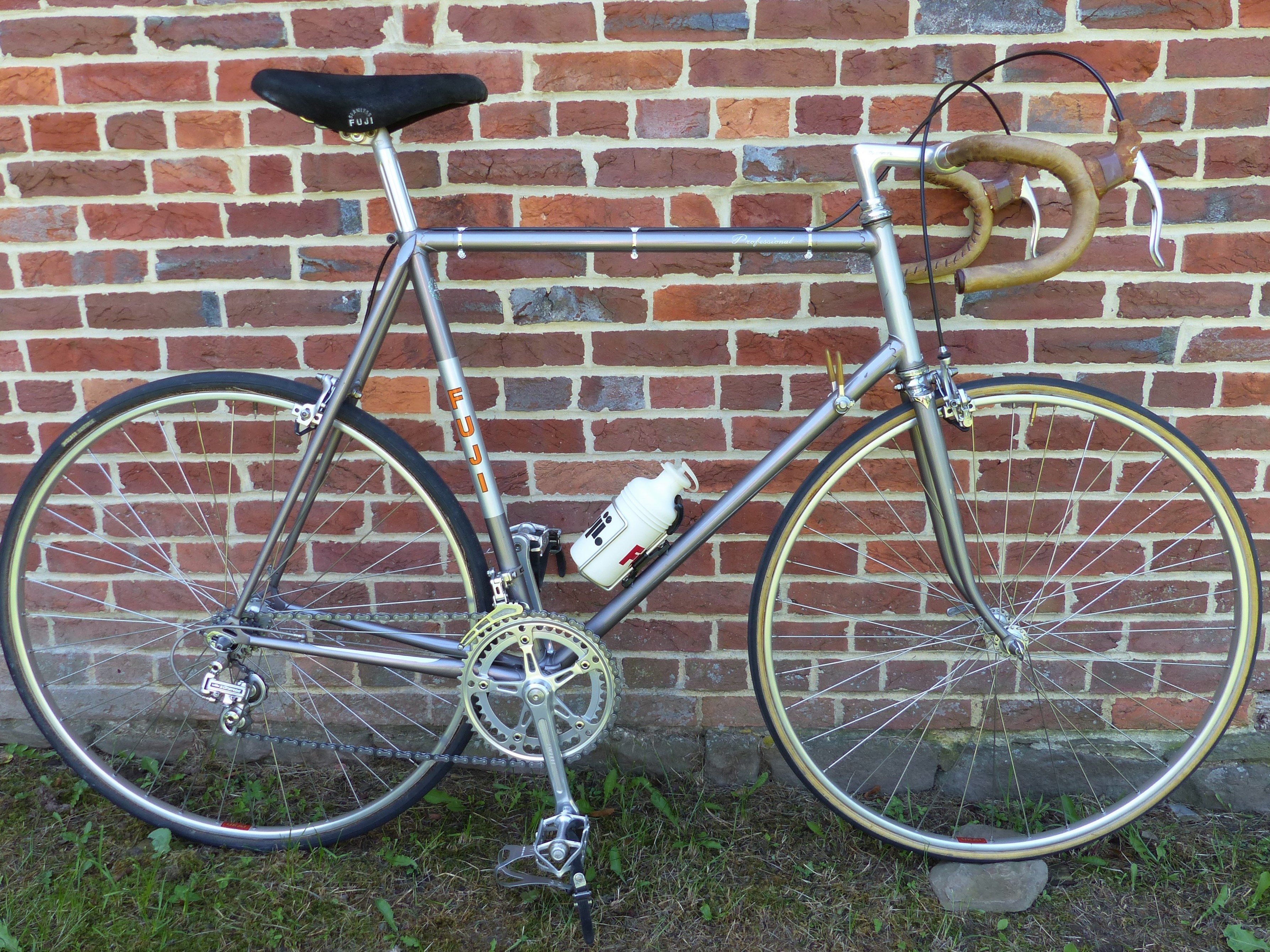
Fuji Feather fixed gear: read the supplied-parts row
Fuji Japan lists a 16-tooth freewheel for the Feather. Its explanatory paragraph says the standard arrangement is free gearing, while the flip-flop wheel can take a fixed gear on the reverse side. Do not convert that capability into a claim that two complete drive arrangements arrive fitted in the box.
For a purchase, ask the seller to identify the installed side and itemise any additional cog or associated hardware. This is especially useful with a used bicycle, which may have been changed. Keep a seller’s description of its actual contents separate from the manufacturer’s regional starting specification.
Identify the operating difference before changing configuration
Freewheeling and fixed drive do not offer the same coasting behaviour. A freewheel allows coasting independently of the pedals; with fixed drive, wheel movement continues to drive the pedals. A rider who is comfortable on one system should not discover that difference for the first time in traffic.
Have a competent bicycle professional identify and explain the fitted arrangement and its required braking setup. The supplied brake equipment remains part of the bicycle’s preparation. A track-inspired appearance is not a reason to remove a brake or treat an unfamiliar configuration as ready for a road journey.
Make a conversion request explicit
If fixed drive is the actual goal, state that before buying. Ask which compatible components and professional setup are needed for this particular wheel, frame and drivetrain. Turning the wheel around is not a complete parts specification or proof that every required component is present.
Keep the regional scope visible. An overseas product description may list both a fixed cog and a freewheel, while the Japanese page describes standard free gearing. Do not transfer one market’s package to another. The historical Professional photograph supplies Fuji brand context, not evidence of the Feather’s hub or present build.
Fuji Feather fixed gear FAQ
Does a flip-flop hub prove that a fixed cog is supplied?
No. The Japanese Feather page lists a freewheel as standard and describes the opposite side as accepting a fixed gear.
Can a used Feather differ from that regional specification?
Yes. Establish the actual installed arrangement and included loose parts before agreeing to buy it.
Is changing to fixed drive only a wheel-position decision?
No. Confirm the required compatible equipment, braking arrangement and competent setup for the actual bicycle.
The Fuji topic and brand background guide explain the wider range beyond this supplied-drivetrain question.
Treat a Fuji Feather fixed gear purchase as a clear question about supplied parts and operating behaviour, rather than relying on the flip-flop label.
References: official source 1 (https://shifta.jp/fuji/product/feather/).
Photograph credits and permissions
Photograph 1
Original title: P1170510 (Commons filename: Fuji Professional bicycle, 1979 01.jpg)
Creator: ktk17028; creator URI: https://www.flickr.com/photos/40402003@N05/
Original source URI: https://commons.wikimedia.org/wiki/File:Fuji_Professional_bicycle,_1979_01.jpg
License / permission: CC BY 2.0 Generic
License / permission URI: https://creativecommons.org/licenses/by/2.0/
Modification notice: Original JPEG retained unchanged.
Source disclaimer: Original Flickr source: https://www.flickr.com/photos/40402003@N05/41855408145/