


Diamondback Release Frame Identifiers: Build a Useful Model Record
Diamondback Release frame identifiers are useful when a short advertisement says little beyond “Release.” The saved Release 29 3 specification describes an aluminum trail bicycle with hydroformed tubing, ISCG-05 tabs, a Boost 148x12 mm Maxle dropout and a 1.5-inch tapered headtube. Together, these form a more precise model record.
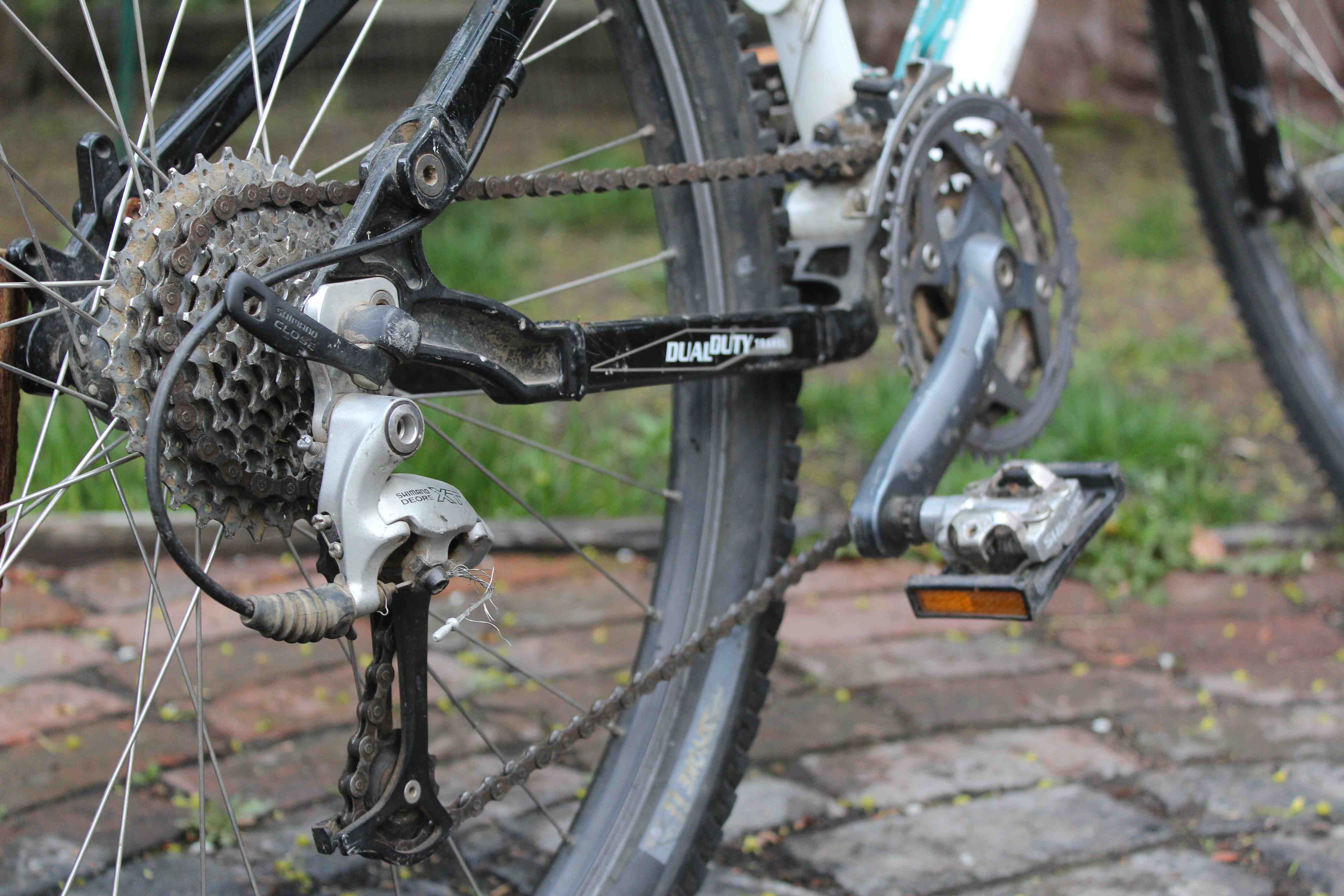
Diamondback Release frame identifiers: keep the source attached
Start the record with the complete name, Release 29 3, and the saved manufacturer page it came from. The description calls it an aluminum trail bicycle; the frame row adds hydroformed tubing. Preserve that distinction between the general model description and the more detailed frame entry.
These terms identify the published platform. They do not supply a measured complete-bike weight, a load limit or approval for every route someone might call a trail. Such conclusions require information beyond the fields reproduced here.
Record interfaces without inventing approvals
ISCG-05 tabs appear explicitly in the frame row. So does the Boost 148x12 mm Maxle dropout wording. Retain each full label in a supplier enquiry rather than reducing the record to “mounts” and “rear axle.” Precision makes a question easier to understand without predetermining its answer.
The same row gives a 1.5-inch tapered headtube. That belongs with the frame information, separately from whichever fork is actually fitted. These catalogue identifiers do not approve a replacement fork, guide or axle; a proposed installation needs its own complete assessment.
Add observations about the bicycle you are considering
The local Diamondback Release 29 3 Bike supplies the named product reference. Keep the actual frame label, configuration and known component changes with the model record. If an advert's wording differs from the saved table, preserve both accounts and ask for clarification instead of silently combining them.
Leave the manufacturing year unknown when it has not been established. A file name containing a year-like code, a web publication date or a photograph's capture date is not evidence of when a particular frame was manufactured. The historical drivetrain picture likewise cannot identify this Release frame.
The page used here is a saved published specification and includes a notice that specifications can change. The record is therefore a reference for asking better identification questions, not proof of the bicycle's present equipment, condition or availability.
The existing Diamondback history supplies broader background, while the Diamondback model topic keeps related model information together.
FAQ
Does the saved frame row mention ISCG-05?
Yes. It lists ISCG-05 tabs among the frame identifiers.
What rear-dropout wording should a record preserve?
The table says Boost 148x12 mm Maxle dropout; keep the dimensions and name together.
Can a photograph date establish frame manufacturing year?
No. A capture or transfer date concerns the image, and the historical photograph does not establish this model's year.
Sources
Manufacturer source: Release description and frame material, tab, dropout and headtube identifiers (https://www.diamondback.com/products/release-29-3).
Photograph credits and permissions
Photograph 1
Original title: Diamondback drivetrain.jpg
Creator: Brett.deaton; creator URI supplied by the source: https://commons.wikimedia.org/wiki/User:Brett.deaton
Copyright notice: Embedded sRGB color-profile notice: Copyright (c) 1998 Hewlett-Packard Company. Photograph author: Brett.deaton.
Original source URI: https://commons.wikimedia.org/wiki/File:Diamondback_drivetrain.jpg
License / permission: CC BY-SA 4.0
License / permission URI: https://creativecommons.org/licenses/by-sa/4.0/
Modification notice: Source-hosted JPEG retained unchanged, including original EXIF, XMP and the sRGB IEC61966-2.1 ICC profile. No crop, recompression or color edits by this preparer. EXIF and XMP give 6 May 2014, 18:11:13; the Commons transfer date in 2020 is not a manufacturing date. Earlier editing operations are unassessed.
Source disclaimer: Historical detail of a Diamondback full-suspension bicycle drivetrain, as described by its source; exact model and manufacturing year are unverified. Not a current Release 29 3, its parts or a service-condition example. No endorsement or warranties are implied; other rights may apply. Share adaptations under the applicable ShareAlike terms.