


Decathlon Riverside Tyre Pressure: Keep the Exact Model Attached
Decathlon Riverside tyre pressure guidance changes between three support records, and one of those records contains an internal disagreement. Keeping the exact model reference beside each number is essential: a family name alone does not identify which pressure table or interval a reader has found.
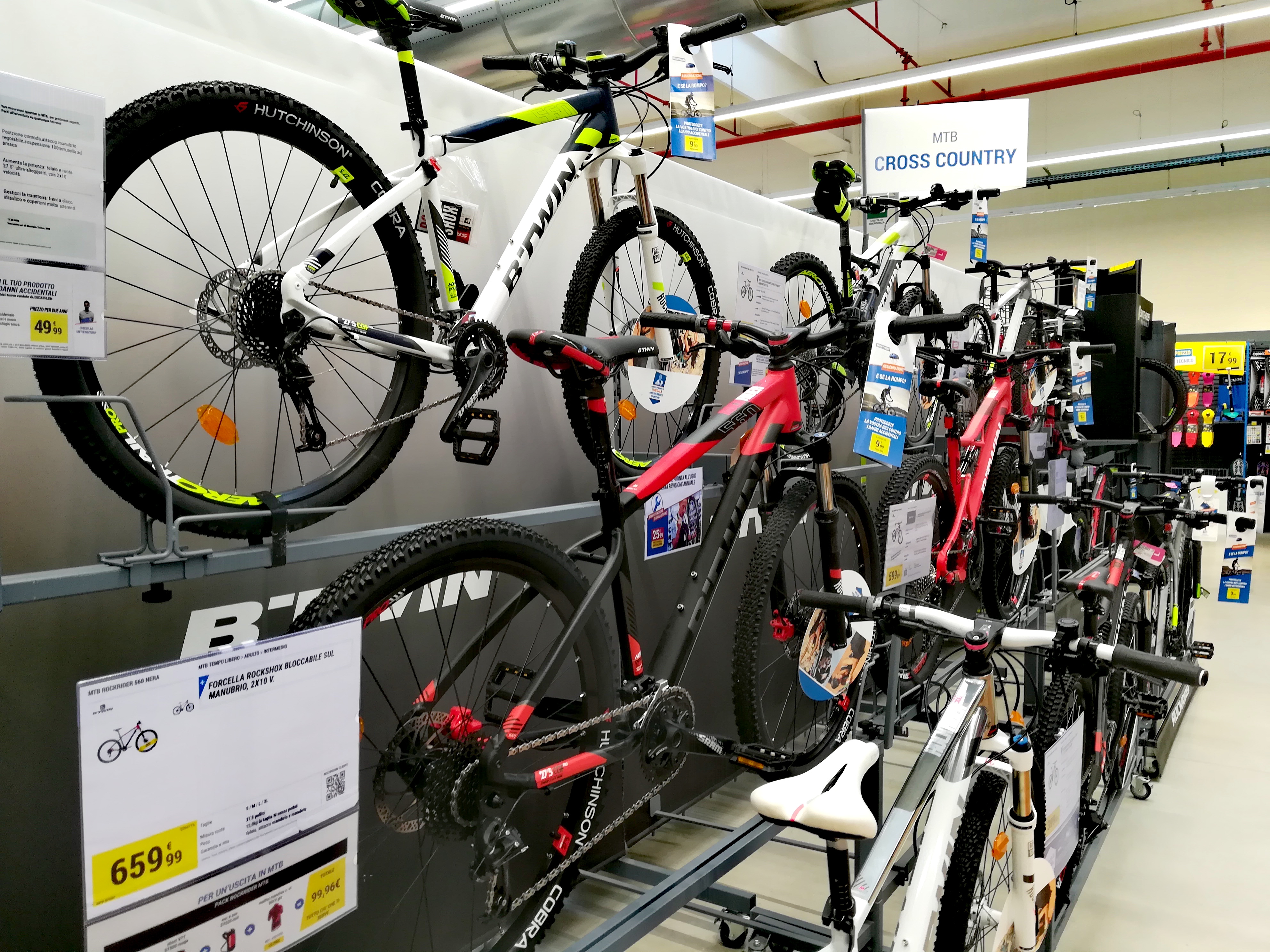
Decathlon Riverside tyre pressure in three records
The conventional Riverside 500 page, reference 8379020, provides load bands for rider plus luggage. It lists 3 bar for 45–65 kg, 4 bar for 65–80 kg and 5 bar for 80–100 kg. This Riverside pressure table is a published model-specific entry, not a general weight-to-pressure formula.
The Riverside 500 LF page labelled 2022, covering references 8669961 and 8669962, instead states a 2–4 bar range with 4 bar as its maximum. Riverside LF tyre guidance should therefore not inherit the conventional page's 5 bar entry simply because both bicycle names include 500.
The electric page needs an unresolved-conflict note
On the Riverside 500E page, reference 8405314, first-use and range advice gives 4–5 bar. A low-range troubleshooting entry elsewhere on that page gives 1.8 bar. The Riverside e-bike pressure conflict is within the same record; it is not explained away by the difference between the conventional and low-frame models.
These incompatible entries should be retained rather than averaged, silently corrected or offered as interchangeable choices. The support material available here does not explain which tyre configuration, revision or condition would reconcile them. Inventing that missing explanation would make the advice appear more certain than its source.
Riverside load bands also do not establish a maximum permitted load. They are pressure-table labels, and this article does not interpolate a new setting for weights between entries or decide how an inclusive boundary should be handled. The actual bicycle, fitted tyre and rim instructions still need to be identified before a pressure decision can be made.
The Decathlon bicycle-name overview helps distinguish families. The topic's reference guides keep other Riverside questions separate from this comparison of document scope.
Pressure record FAQ
Does 5 bar apply to the cited low-frame Riverside?
That transfer is unsupported. The cited LF record gives its own 2–4 bar guidance and a 4 bar maximum.
Does the conventional table approve carrying 100 kg?
No load approval is established here. A pressure table's weight band is not a verified bicycle or component load rating.
Which conflicting 500E entry should I choose from this article?
This comparison does not choose one. It preserves the disagreement so the exact bicycle and applicable instructions can be clarified.
Sources
Three separate Riverside pressure records, including the unresolved disagreement within the electric page: https://support.decathlon.co.uk/riverside-500 (https://support.decathlon.co.uk/riverside-500); https://support.decathlon.co.uk/riverside-500-lf-2022 (https://support.decathlon.co.uk/riverside-500-lf-2022); https://support.decathlon.co.uk/riverside-500e (https://support.decathlon.co.uk/riverside-500e).
Photograph credits and permissions
Photograph 1
Original title: MTB Decathlon 01.jpg
Creator: SIG SG 510; creator URI: https://commons.wikimedia.org/wiki/User:SIG_SG_510
Original source URI: https://commons.wikimedia.org/wiki/File:MTB_Decathlon_01.jpg
License / permission: CC0 1.0 Universal
License / permission URI: https://creativecommons.org/publicdomain/zero/1.0/
Modification notice: Original source-hosted JPEG retained unchanged, including EXIF; no crop, recompression or color edits by this preparer. Source and capture EXIF give 8 September 2018, 11:32:26; file DateTime gives 10 September 2018, 20:50:54. Huawei software and CustomRendered metadata remain; earlier processing is unassessed. No XMP packet or ICC profile was found.
Source disclaimer: Historical Decathlon mountain-bike shop display in Reggio Emilia, as identified by the source. Brand context only, not a Riverside, Elops or Tilt model or evidence of their current equipment, electrical system, manufacturing year or condition. Visible shop labels are historical, not present prices or stock. No endorsement or warranties are implied; trademark and other rights may apply.