


BMC Teammachine SLR bottom bracket: check shell, crank and chainline
BMC Teammachine SLR bottom bracket planning needs more than the name BB86. On a confirmed Gen4.5 frame, shell dimensions, crank compatibility, road chainline and chainring limits all contribute to a proposed drivetrain change. Establish those conditions before buying a crankset or arranging the workshop appointment.
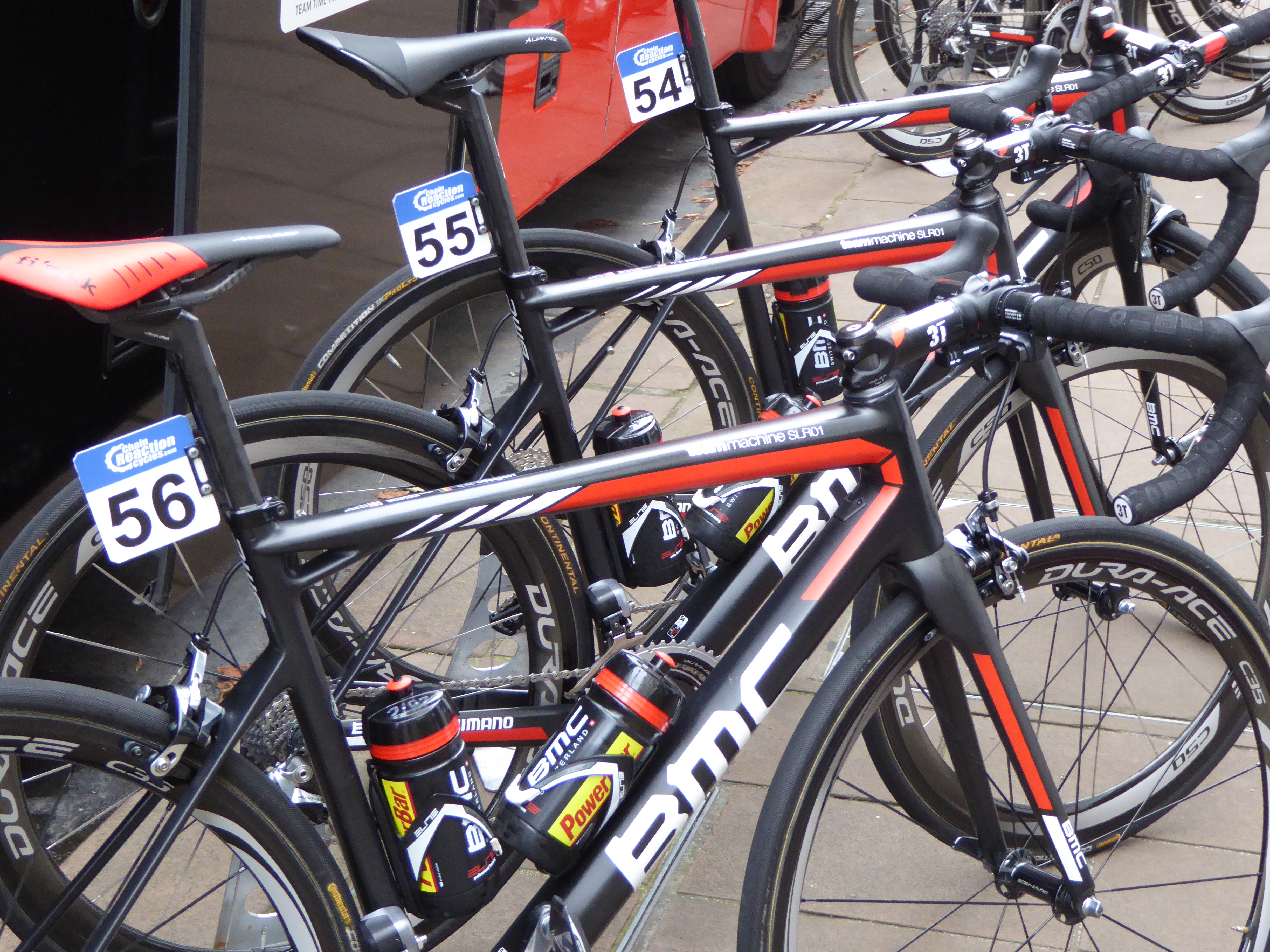
BMC Teammachine SLR bottom bracket: identify the frame interface
The Gen4.5 owner manual (https://us.bmc-switzerland.com/cdn/shop/files/BMC_Teammachine_SLR_Gen_4_5_Owners_Manual_-_V3_20260109.pdf?v=14851531632629839966) lists a press-fit BB86 interface with a 41 mm internal diameter on page 7. The assembly chapter on page 52 describes the bottom bracket as Press-Fit 86.5 mm. Read these entries together when identifying the shell; do not mistake the internal diameter for its width.
The bearing assembly must also suit the chosen crankset. BMC directs installation to the bottom bracket and crankset manufacturers' instructions. Supply the mechanic with the complete crank model and proposed bearing unit, rather than asking whether an unspecified BB86 item will work.
Check the chainline and gearing proposal
Page 7 describes road chainlines of 44.5–45 mm and specifies a standard road arrangement rather than a wide chainline. Its crankset section includes both single and double configurations. The listed single-ring example is 48 teeth; the double combinations shown are 52/36 and 50/34, with a maximum double outer ring of 55 teeth and a minimum chainring size of 31 teeth.
These are frame compatibility entries, not a promise that every crank bearing the same tooth counts is suitable. Ask whether the complete proposed crank, chainline, bottom bracket and shifting system meet their respective requirements. A component's marketing category alone does not settle the chainline question.
Plan the work in the documented order
Page 52 requires the brake hose to be installed before the bottom bracket. That instruction matters when a frameset build or hose replacement coincides with crank work. Tell the workshop about the complete job so access and sequencing can be planned together, instead of treating each purchased part as an isolated installation.
For changes involving front derailleurs or electronic shifting, use the separate groupset compatibility guide. It addresses routing and supported systems, while this article concentrates on the shell and crank proposal. The BMC ownership collection keeps those related decisions available without turning historical racing equipment into a modern compatibility chart.
Crank planning FAQ
Does BB86 identify the crank spindle I should buy?
No. The frame interface is only part of the decision. The bottom bracket unit must also match the selected crank and its manufacturer's instructions.
Can a wide-chainline crank be assumed suitable?
No. The documented Gen4.5 compatibility describes a standard road chainline and specifically distinguishes it from a wide arrangement.
Should hose work wait until after the bearings are fitted?
The manual instructs the installer to fit the brake hose first. Discuss the complete build sequence before bottom bracket installation begins.
A purchase list is ready when the shell, bearings, crank and chainline have been checked as a system.
Photograph credits and permissions
Photograph 1
Original title: BMC Racing Team bicycles.jpg
Creator: Cs-wolves
Original source URI: https://commons.wikimedia.org/wiki/File:BMC_Racing_Team_bicycles.jpg
License / permission: CC BY-SA 4.0
License / permission URI: https://creativecommons.org/licenses/by-sa/4.0/
Modification notice: Original JPEG unchanged.