


Basso SV Aerodynamics: What the Manufacturer’s Figures Mean
Basso SV aerodynamics become easier to assess when each claim keeps its original measurement. The manufacturer discusses frontal area, tube shapes and wheel integration, alongside fit and weight. Those details can inform a comparison, but turning them into a predicted speed gain would require evidence beyond the published percentages. A careful reading gives you better questions to ask.
Reading Basso SV aerodynamics by the stated metric
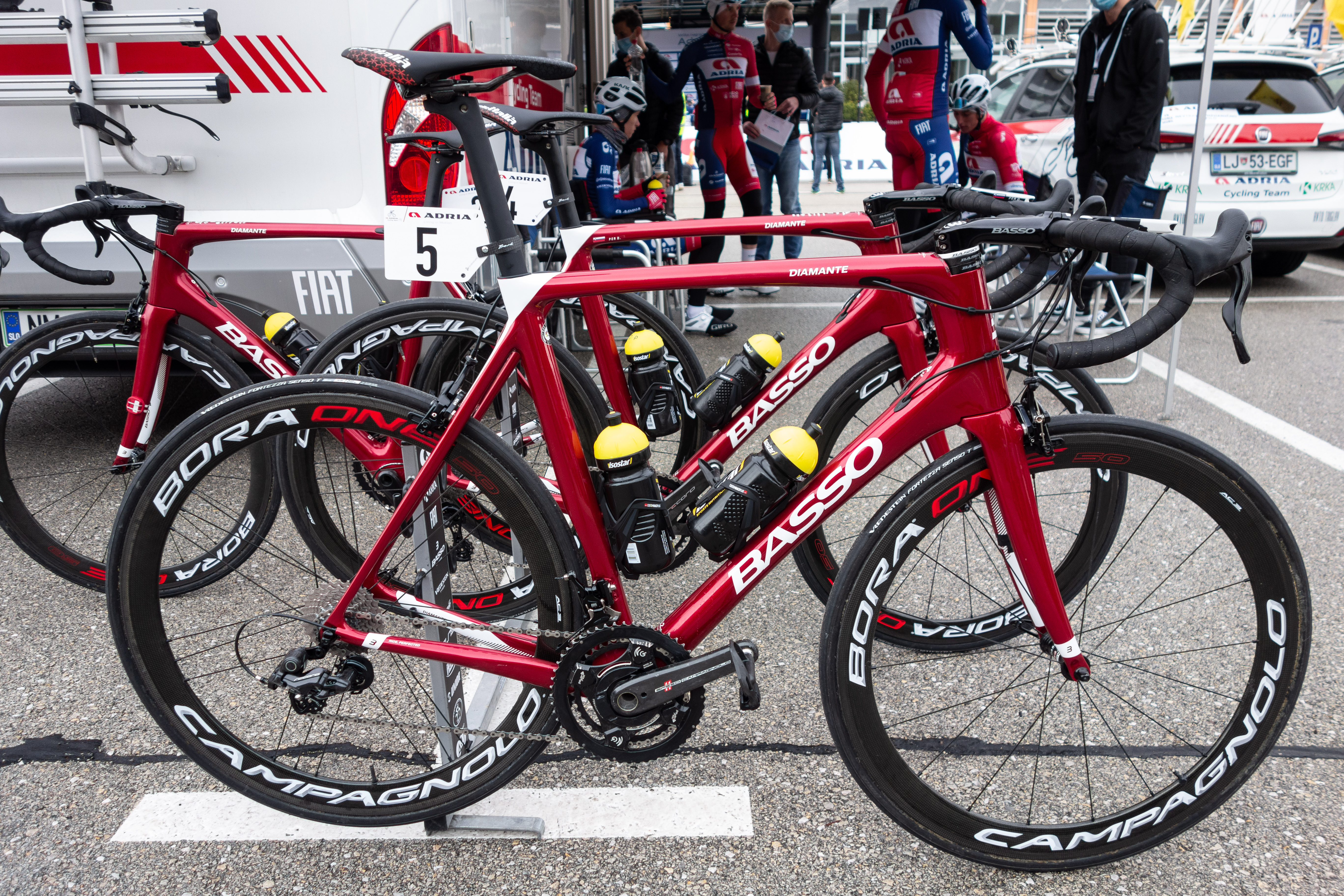
On its SV technical page, Basso reports a 16% reduction in frontal impact area relative to the Diamante SV. It also describes truncated airfoil tube sections and a front-wheel-to-downtube arrangement optimized around 28–35 mm tires. These are manufacturer design statements, rather than results from a test conducted by BestBicycle.net.
The central distinction is between a projected area and aerodynamic drag. A percentage reduction in one measurement cannot simply be relabeled as the same percentage reduction in effort or journey time. When discussing the SV, preserve Basso’s comparison model and the name of the metric. Otherwise, a precise-looking number can answer a question that was never measured.
Put the complete bicycle back into the comparison
The SV model page specifies a 780 g frame in size 53 and states 35 mm tire clearance on 25 mm rims. The frame figure excludes the rest of the bicycle. Treat it as a scoped manufacturer specification, with its size condition attached.
For a useful shortlist, write down the complete configuration you are comparing: frame size, wheels, tires, cockpit and drivetrain. Ask whether any quoted complete-bike weight refers to that configuration. This avoids judging one option by a bare frame and another by an assembled bicycle.
Position deserves a separate conversation. If you cannot maintain your intended posture comfortably, the design headline alone cannot settle the purchase. Our Fuga versus Levita guide examines the cockpit choices without treating a narrow handlebar as a universal solution.
FAQ: Interpreting the SV specification
Does the 16% figure mean I will ride 16% faster?
No. It describes the stated frontal-area comparison. The cited information does not establish that personal speed improvement.
Is 780 g the weight of a complete SV?
No. Basso labels that figure as frame weight for size 53. Ask for the assembled specification before comparing complete bicycles.
Can I ignore tire and rim conditions?
No. Carry those conditions into your specification check and have the exact intended combination confirmed before choosing it.
Use Basso SV aerodynamics as a set of defined design claims, then assess configuration and fit separately. The Basso brand hub can help you place the SV within a broader model comparison.