


Apollo Stout 40 2021: Read Tyres and Axle Entries Separately
The Apollo Stout 40 is presented as a carbon fat bike with 26-inch wheels and two-by-ten gearing in the Australian 2021 catalogue. Its 26 × 4.8-inch tyre entry is useful identification evidence, but is not a maximum-clearance claim. Read that tyre description separately from the frame and fork interfaces before considering replacement wheels or a different tyre.
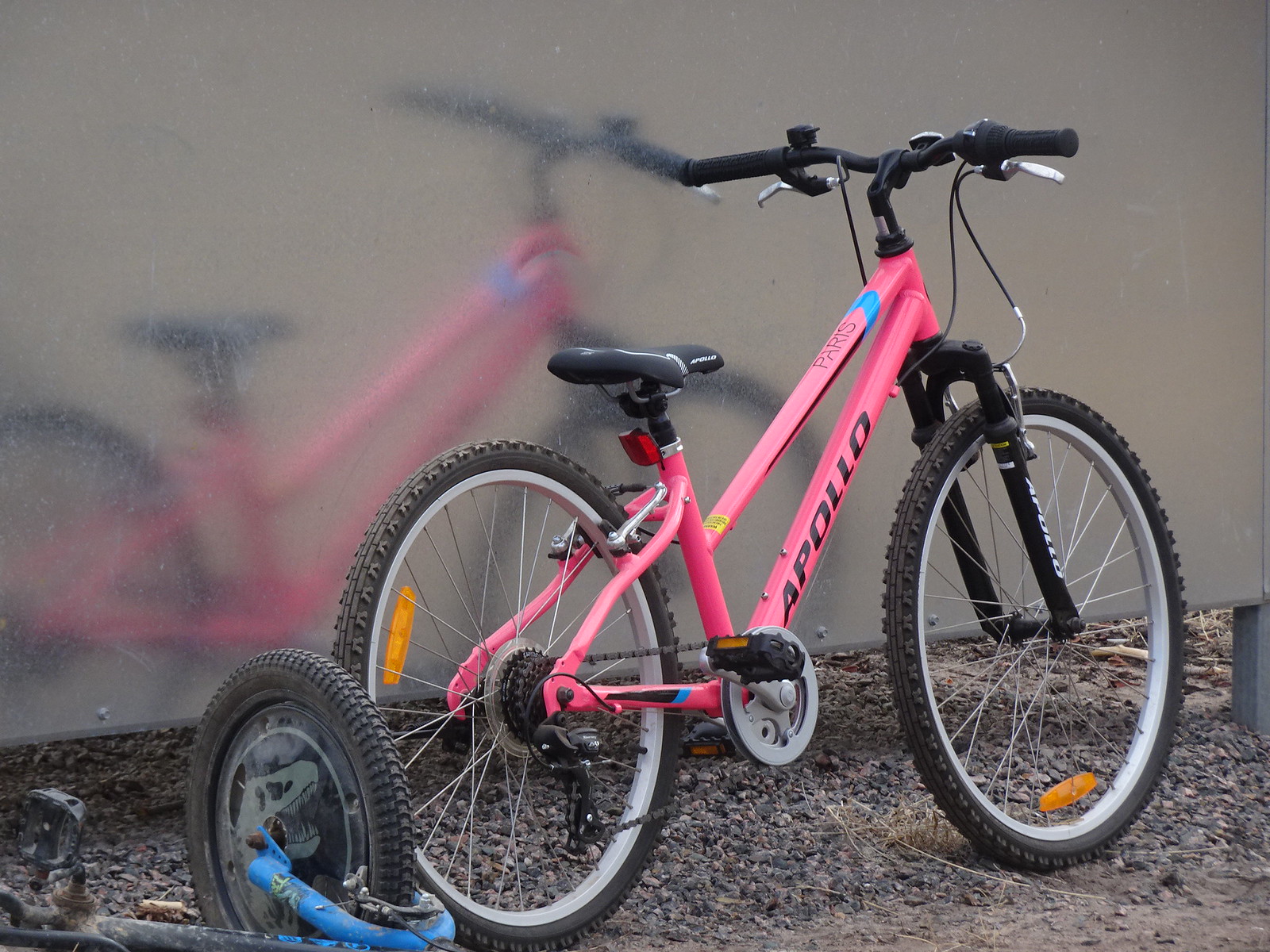
Apollo Stout 40 tyres describe the listed build
Apollo names Snowshoe XL Silica Comp tyres, with a 120 TPI folding-bead specification. The wheel row separately describes Sunringle alloy disc-specific rims and sealed-bearing hubs. Those are the original printed descriptions, not proof that a used Stout retains the same wheelset.
A wide tyre label does not establish that every wider option fits the frame or fork. Rim identity, the exact proposed tyre and the actual assembly need their own assessment. This guide does not calculate a safe clearance from a photograph or promise a particular grip result on snow, sand or another surface.
Preserve the axle and material entries
The frame and fork are both described as carbon monocoque constructions. The frame row includes a 12 × 142 mm dropout entry, while the fork row lists a 15 mm through axle. These figures are retained exactly as printed; they are not silently replaced with an assumed fat-bike standard.
Before ordering a hub, wheel or axle, have the actual interfaces identified. A nominal axle diameter does not provide all the dimensions and fastening details of a replacement. The printed frame entry should be treated as a point to verify against the individual bicycle, not as permission for a wheel conversion.
The remaining equipment gives more identification clues
The crank is listed as an FSA Comet fat-bike-specific 36/22-tooth unit, paired with an 11–36 ten-speed cassette and SRAM shifting entries. The brake row names SRAM DB5 hydraulics with 180 mm rotors. None of those labels establishes a larger-rotor upgrade or a different chainset's compatibility.
There is no electric drive identified in this Stout build. Do not transfer motor, battery or assistance claims from another brand's fat-tyre e-bike. Likewise, the absent rear shock and specified carbon fork should not be replaced by assumptions drawn from a suspension-equipped photograph.
Keep confirmed markings with the source page when discussing an older bicycle. The Apollo introduction places it in the Australian range; the model topic collects the related references without changing the scope of this 2021 record.
FAQ
Does 4.8 inches mean the maximum permitted tyre width?
No. It is the fitted tyre width listed in the historical specification.
Does this guide replace the printed 12 × 142 entry?
No. It preserves that entry and calls for verification of the actual frame interface.
Is the documented Stout 40 an electric fat bike?
The inspected build identifies a conventional drivetrain and no electric assistance system.
Sources
Checked 30 October 2026.
Australian 2021 catalogue, page 28 (https://www.apollobikes.com/wp-content/uploads/2025/07/apollo_2021_complete_web.pdf).
Photo-family identity: 2024 catalogue, page 89 (https://www.apollobikes.com/wp-content/uploads/2025/07/apollo_2024_catalogue_web.pdf).
Photograph credits and permissions
Photograph 1
Original title: Pink Apollo
Creator: Michael Coghlan; creator URI: https://www.flickr.com/people/mikecogh/
Original source URI: https://www.flickr.com/photos/mikecogh/54481604239/
License / permission: CC BY-SA 2.0
License / permission URI: https://creativecommons.org/licenses/by-sa/2.0/
Modification notice: Flickr-provided 1600×1200 JPEG rendition of the 2592×1944 MPO original. No additional crop, retouching, re-encoding, conversion or metadata editing by this publisher. Photograph remains under CC BY-SA 2.0.