


Ampler Service and Spare Parts: Planning Repairs with Current Information
Ampler service and spare parts information requires careful reading because the manufacturer’s live pages describe different aspects of ownership. General statements about workshop-friendly components do not establish that a particular electrical repair can be completed. Owners benefit from identifying the fault, the exact bicycle and the proposed repair route before committing to parts or transport. Related references appear in the Ampler collection.
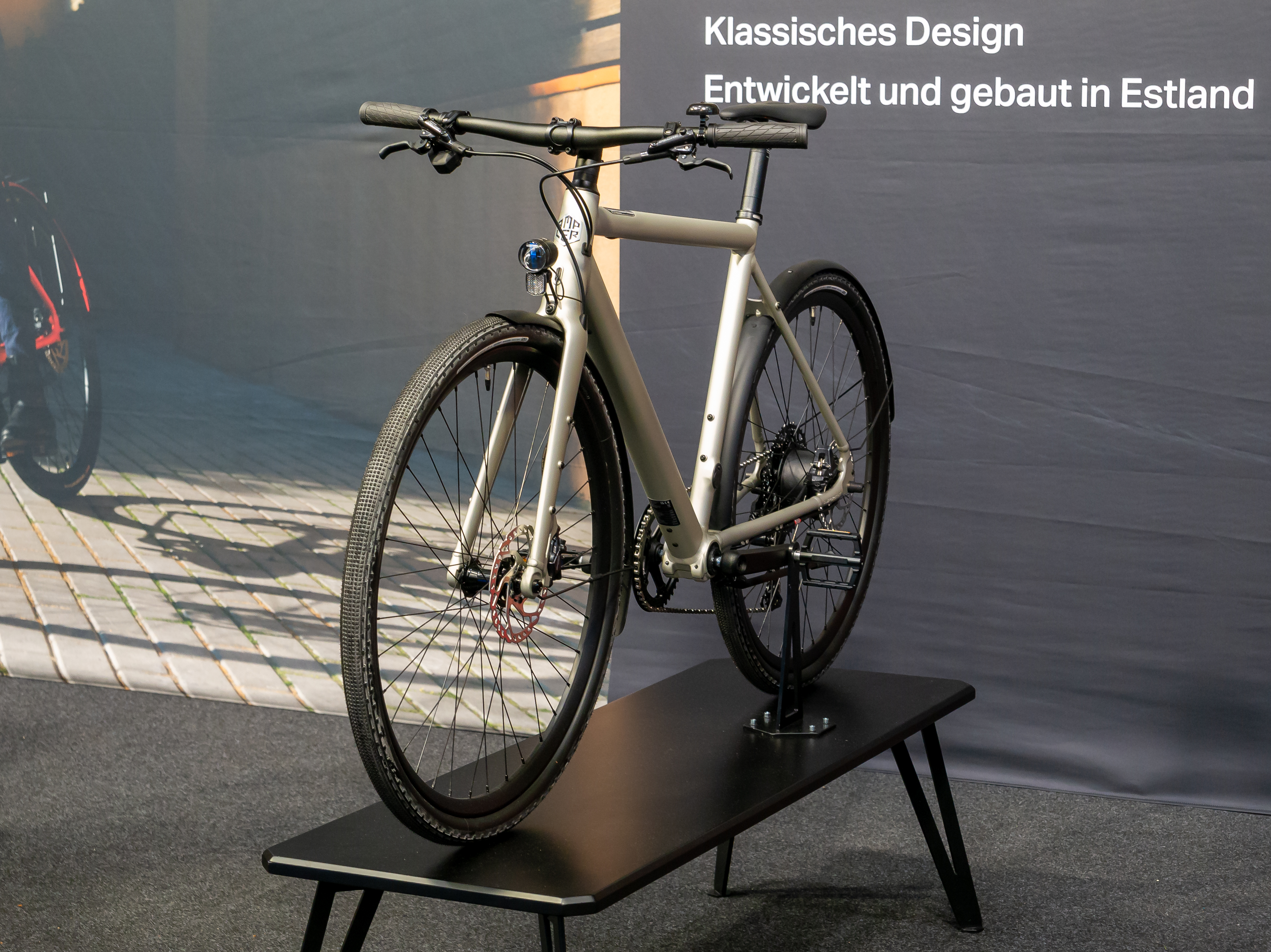
Read the current Ampler service and spare parts notice first
As checked on 18 October 2026, Ampler’s owner notice reports insolvency proceedings. It says support is unavailable, spare parts are no longer supplied through Ampler, and warranty and insurance offerings are affected and unavailable. These statements materially qualify the support expectations suggested elsewhere on the website.
The service page describes professional workshops, service partners and ordinary components available on the wider market. It separately identifies electronic repairs as needing coordination. Use that distinction to frame an enquiry, while confirming a workshop’s present capability directly rather than assuming an older network description guarantees assistance.
Before transporting the bicycle, explain what is wrong and ask whether the workshop accepts that model and generation. Establish whether the appointment covers diagnosis, routine mechanical work or a confirmed repair. Those are different commitments, especially when the necessary replacement component has not yet been located.
Give the workshop evidence it can use
Prepare a compact record containing the model, approximate year, drivetrain, charger type and a clear description of the symptom. State when the fault occurs and what still works. “Lights operate, assistance stops after starting” gives a more useful starting point than “the electronics are broken,” without claiming to diagnose the cause.
Photograph relevant component markings and visible damage without dismantling electrical assemblies. Include previous repair records and any changes made shortly before the problem appeared. If an app error is visible, preserve its wording. Our model and manual identification guide helps establish which documents belong with the bicycle.
For a replacement, ask the repairer to identify the exact compatible part before you obtain it. A standard component category does not mean every item within that category fits. Likewise, finding an ordinary brake or drivetrain replacement says nothing about the availability of a proprietary controller.
Where a repair depends on uncertain parts, request a staged estimate: diagnosis first, then a proposal once compatibility and supply are established. This makes the next decision reviewable without interpreting an inspection booking as a promise that the bicycle can be restored.
FAQ: Arranging a repair
Can an ordinary bicycle shop help?
Potentially, particularly with conventional mechanical work. Describe the exact job and let the workshop confirm its scope rather than assuming complete electrical support.
Does a listed service partner guarantee a repair?
No. Confirm current acceptance, diagnostic capability and parts access directly. A listing does not establish those conditions for your fault.
Should I order a similar-looking electrical part?
Only after qualified compatibility confirmation. Appearance and connector resemblance are insufficient evidence that an electrical replacement is suitable.
Approach Ampler service and spare parts through a specific, documented repair plan. The useful outcome is an identified fault and feasible next step, with unresolved supply questions made explicit before further expense.